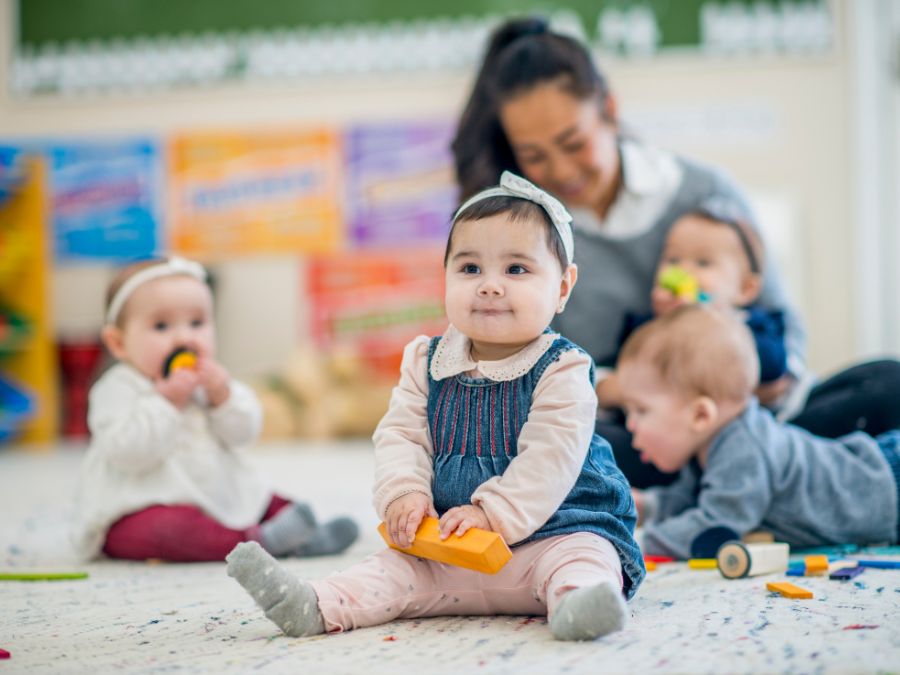
Federally funded child care promotes positive childhood experiences
Having access to child care is fundamental to practicing positive childhood experiences and creating access to all Four Building Blocks of HOPE.

Having access to child care is fundamental to practicing positive childhood experiences and creating access to all Four Building Blocks of HOPE.
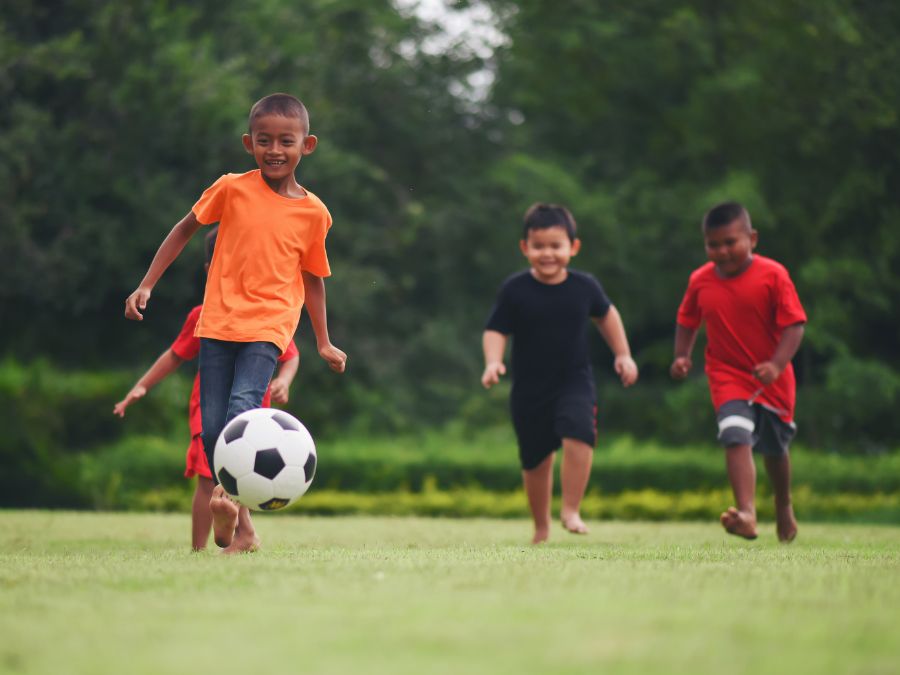
Child labor laws promote access to positive childhood experiences by maintaining safe access to valuable work experiences for youth.

Balanced nutrition is key to child development, and the newly extended P-EBT program promotes positive childhood experiences.
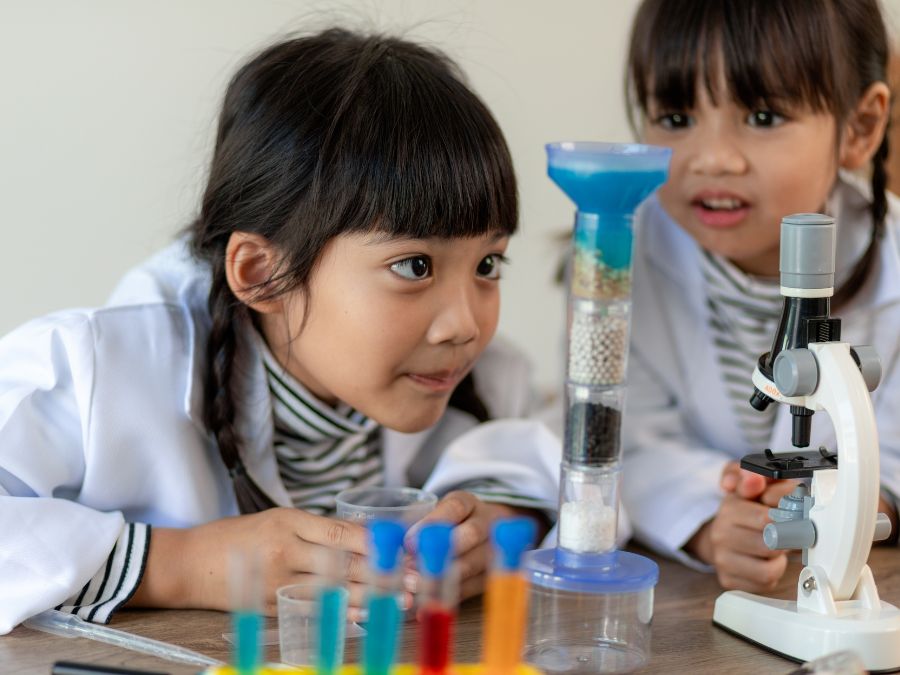
Growing evidence supports the key role of positive childhood experiences in adult health, including lessening the effects of Adverse Childhood Experiences.

When thinking about how to decorate your classroom and how to get to know your students, consider doing this in a HOPEful way.

AAPI cultural recognitions and expressions have the power to connect children and families to positive childhood experiences.

May is Children’s Mental Health Awareness Month, and the HOPE framework is one way to amplify the importance of lifelong mental health.

From the HOPE Around the Globe panel, we created a new resource sharing five tips on how to practice HOPE on a global setting.
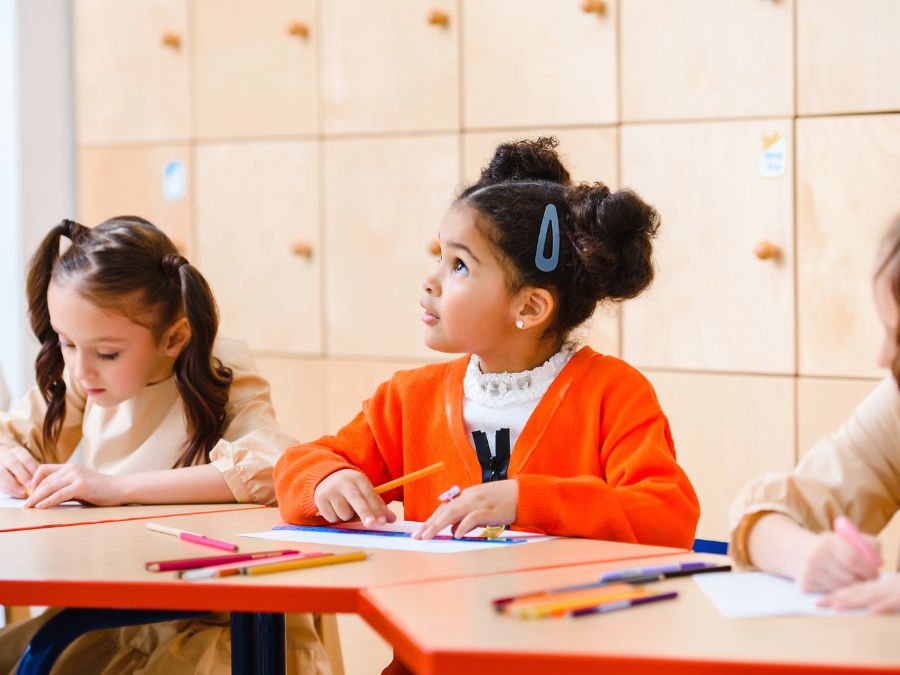
Junlei Li shares examples of how to practice the HOPE framework in education settings and the impact of relationships on development.

Dave Cosgrove and Patrice Baker share an example of practicing HOPE through community action and the creation of a new skatepark.