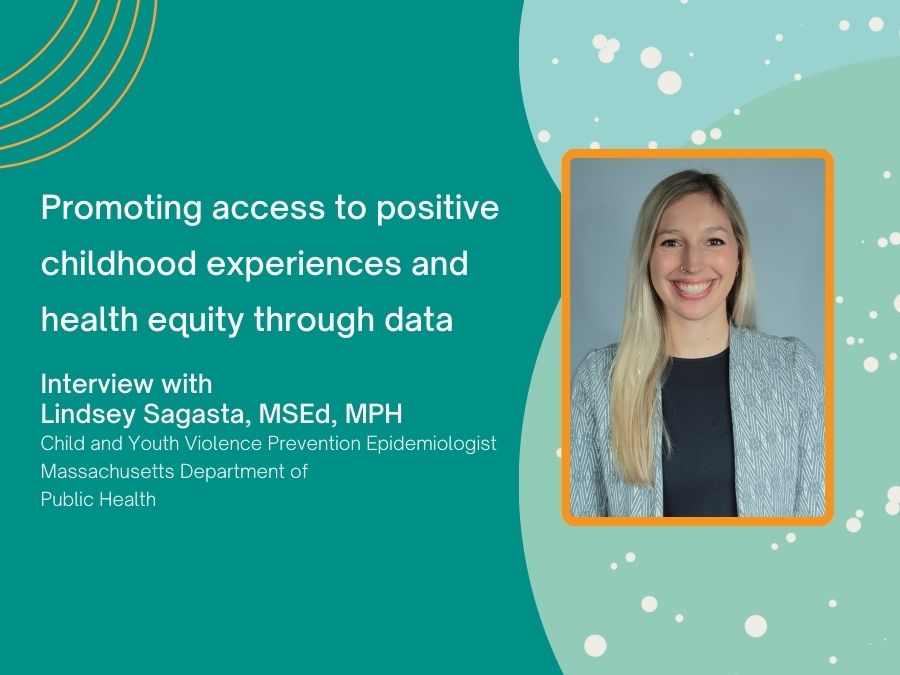
Interview: Promoting access to positive childhood experiences and health equity through data
Data presents a picture of childhood experiences and helps inform actions and policy decisions that improve child health and well-being.

Data presents a picture of childhood experiences and helps inform actions and policy decisions that improve child health and well-being.
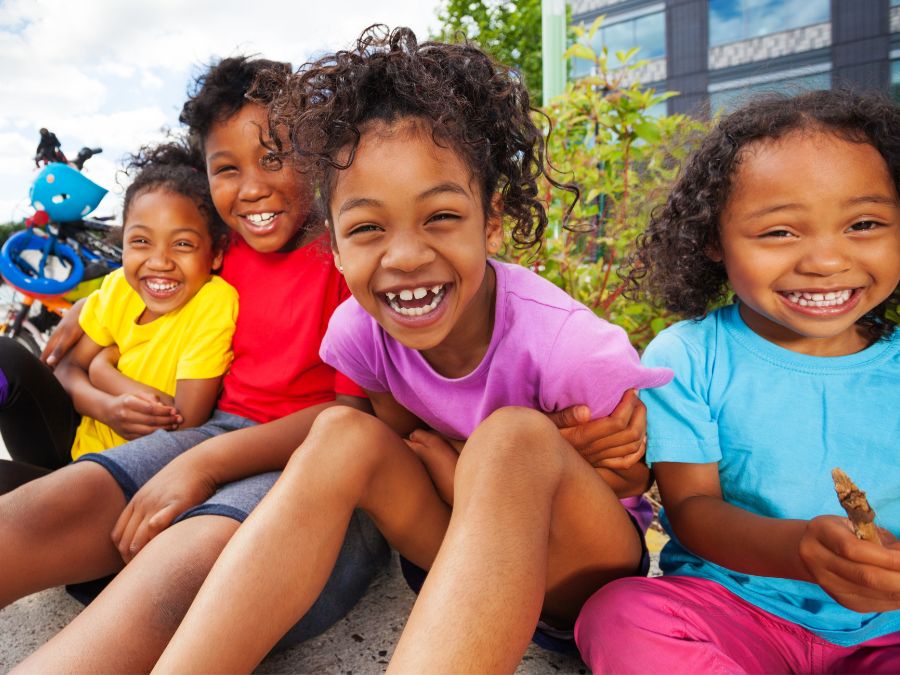
We created a list of fun tips and suggestions that connect to one or more of the Four Building Blocks of HOPE.

Positive experiences, through closeness and social connection, can affect us beyond childhood providing hope for anyone who feels like it is too late.
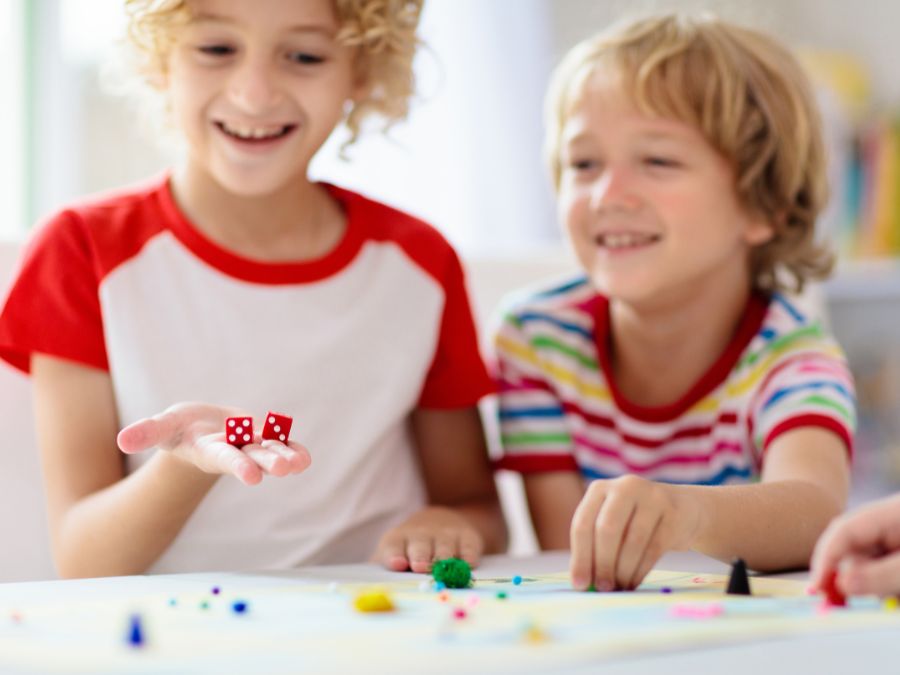
Practicing positive childhood experiences (PCEs) helps children grow into healthy and resilience adults, incorporating them can be as easy as rolling dice!

Healthy Outcomes from Positive Experiences continues to grow as we offer workshops, seminars, and keynote presentations throughout the country.
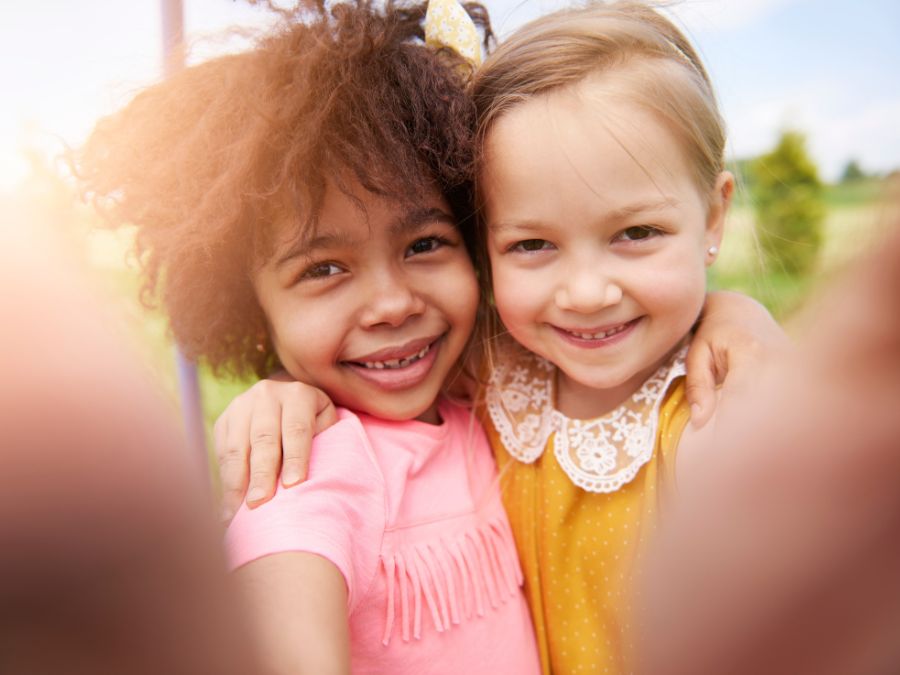
While most adults have positive childhood experiences, people with gender and racial identities experiences them at a lower rate, according to a new HOPE study.

Current organizational practices and policies could be creating barriers to meaningful family and community feedback.

Environmental justice is a key movement to increasing access to positive childhood experiences through the Environment Building Block of HOPE.
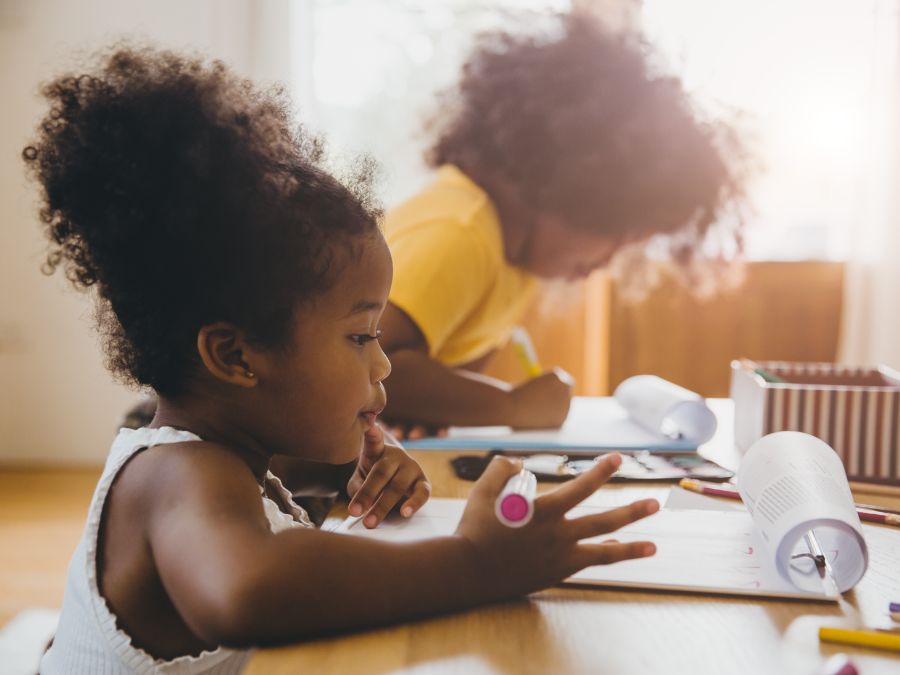
The HOPE National Resource Center (NRC) offers training options at all levels, from introductory workshops and courses to advanced certifications.
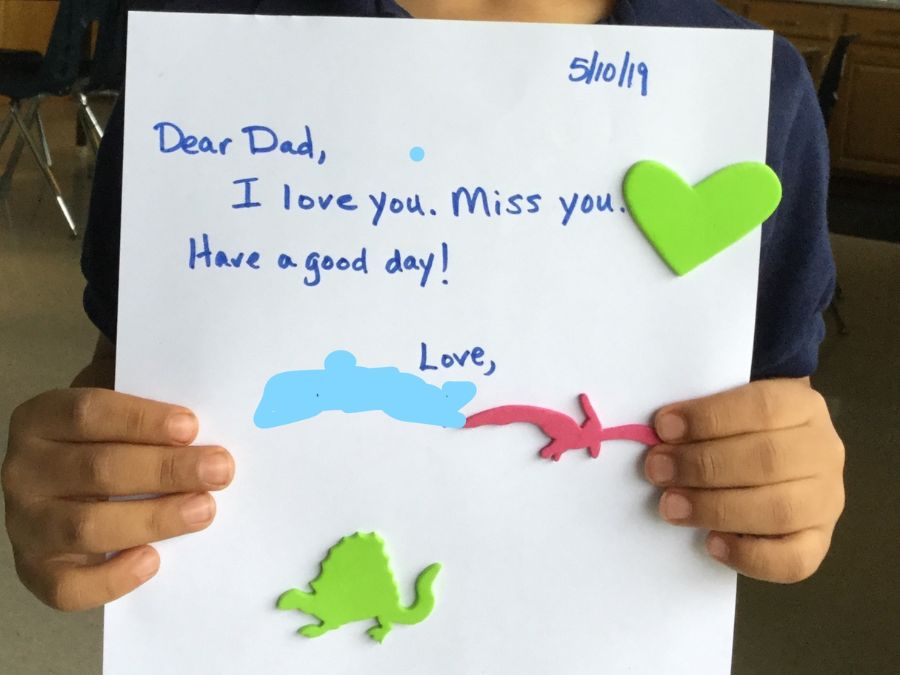
This fact sheet offers practical strategies on how to access the Four Building Blocks of HOPE and PCEs for families impacted by incarceration.