
New study finds that Positive Childhood Experiences help overcome the lifelong health effects of childhood trauma
New study finds that Positive Childhood Experiences help overcome the lifelong health effects of childhood trauma.

New study finds that Positive Childhood Experiences help overcome the lifelong health effects of childhood trauma.

Knowing how to talk about the difference HOPE can make is a key part to spreading HOPE.

Developing a practice that incorporates positive childhood experiences (PCEs) can lessen the lifelong effects of harmful experiences and allows the brain to heal from trauma.

The HOPE National Resource Center offers training options at all levels, from introductory workshops and courses to advanced certifications.

This research study will broaden the knowledge of positive childhood experiences within the context of PMFL policies in multiple states.
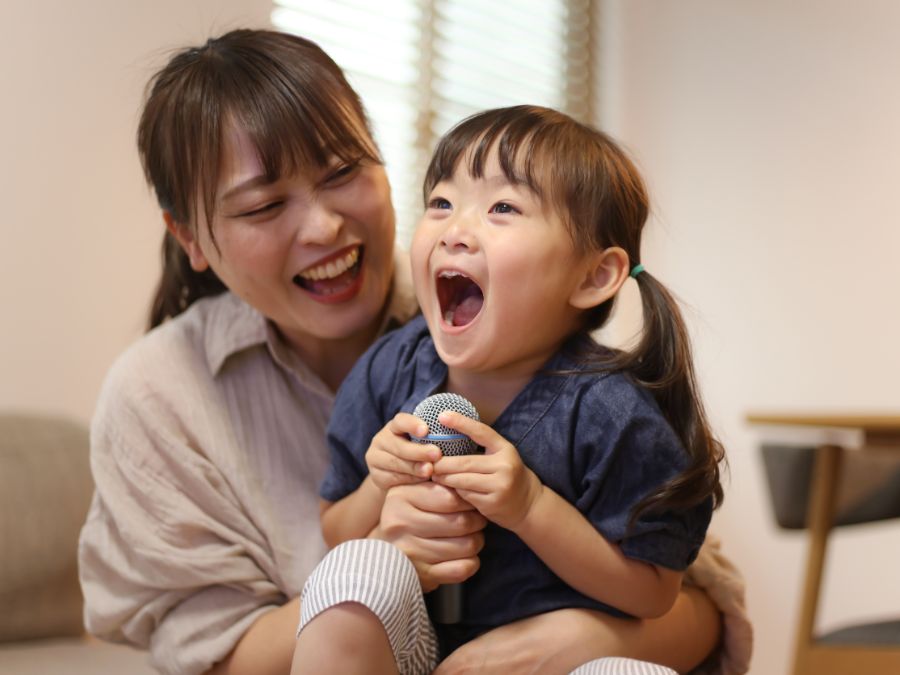
Dartmouth public health master’s student Jessica Leishman is helping us look backwards in time at the childhood experiences of caregivers.
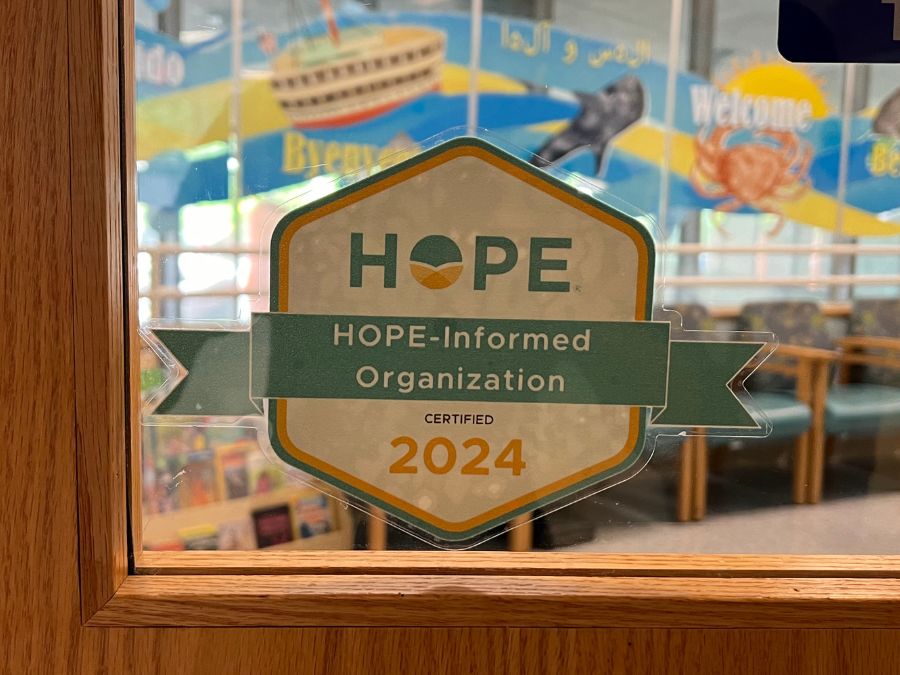
Over the last year the Tufts Pediatrics Clinic has worked to become the first HOPE-informed pediatrics clinic.

HOPE is an important tool in prevention workers’ toolbelts, as the framework supports children develop healthy resilience.

Learn how to start your HOPE journey and create HOPE-informed changes on the organizational level.
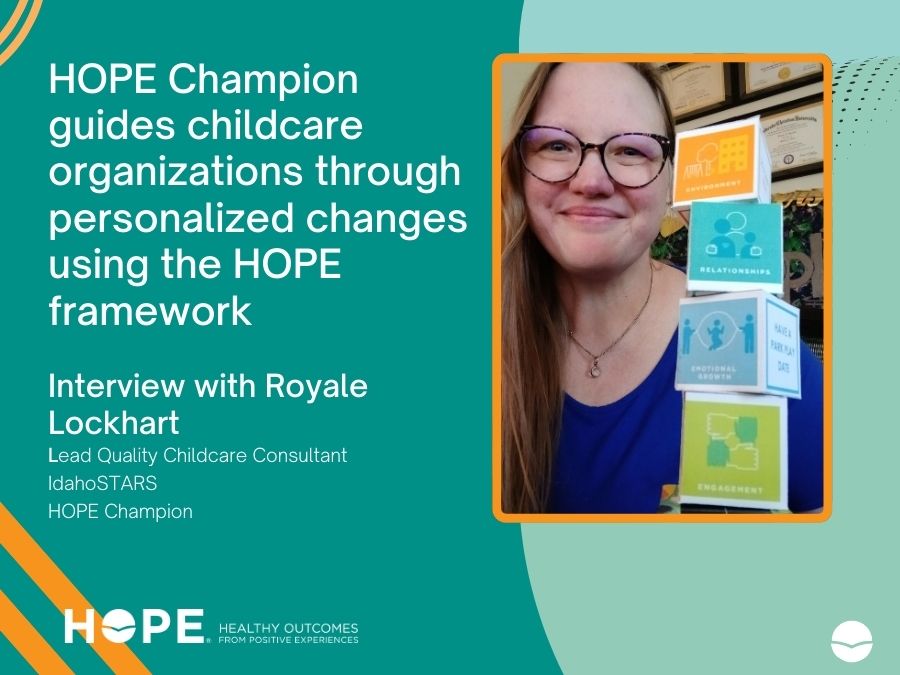
HOPE Champion, Royale Lockhart, shares how COVID-19 and the HOPE framework changed her work with children and families.