

Blog
Our blog shares the latest news from the HOPE National Resource Center team, explores what HOPE looks like in practice, and interviews HOPEful family members, researchers, and providers to understand how they are promoting HOPE.
Recent blog posts
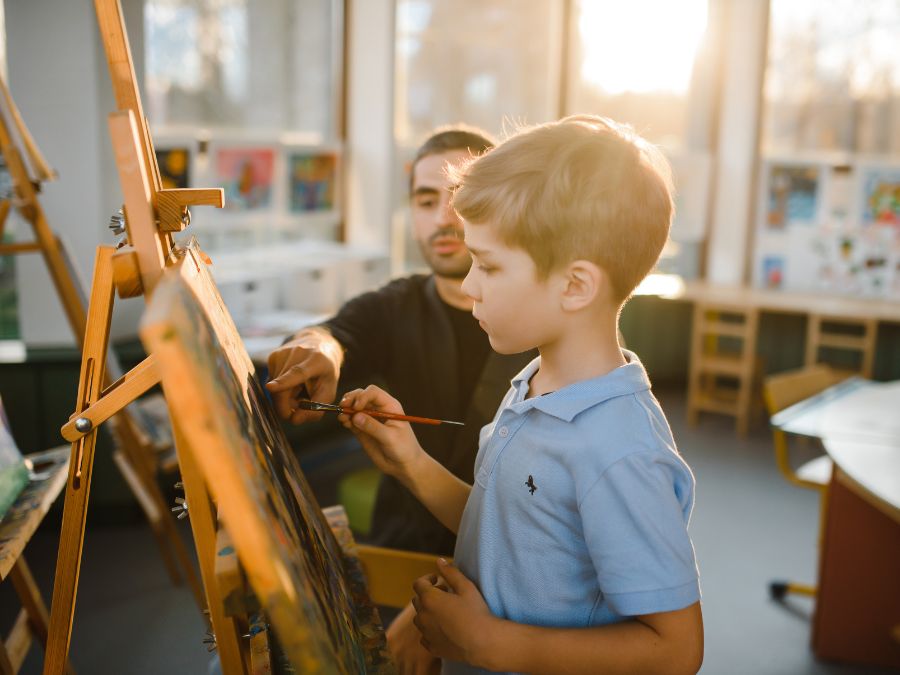
How organizations can create positive internal culture using the HOPE framework
To effectively implement the HOPE framework it is important for organizational leaders to practice the framework as well.
Top resources to get started on promoting positive childhood experiences
When going through the first steps towards HOPE implementation, knowing what resources you can use is the key to success.

How HOPE Champions at San Diego Center for Children implement the HOPE framework
HOPE Champions Aisha Pope and Kristen Corcum use staff trainings and surveys to create positive changes at the San Diego Center for Children.
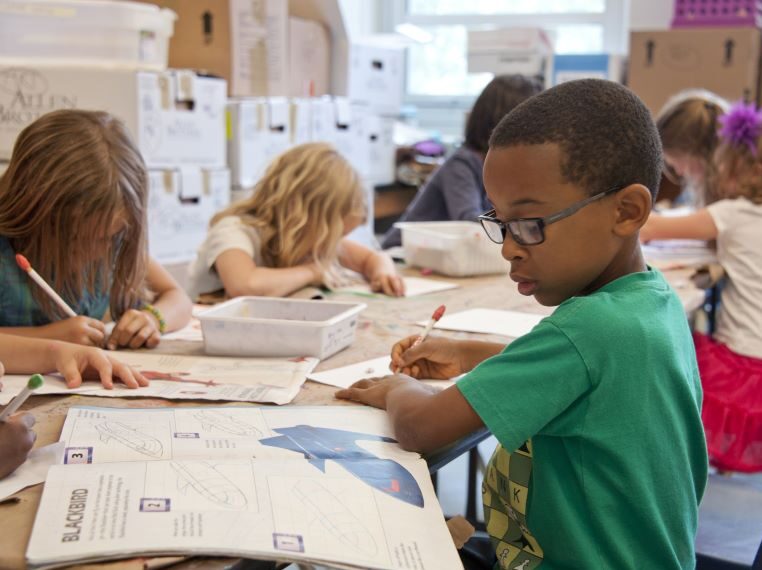
Going back to school with the HOPE framework
Start creating opportunities for positive childhood experiences as early as the last weeks of summer to the first few days of school and beyond.
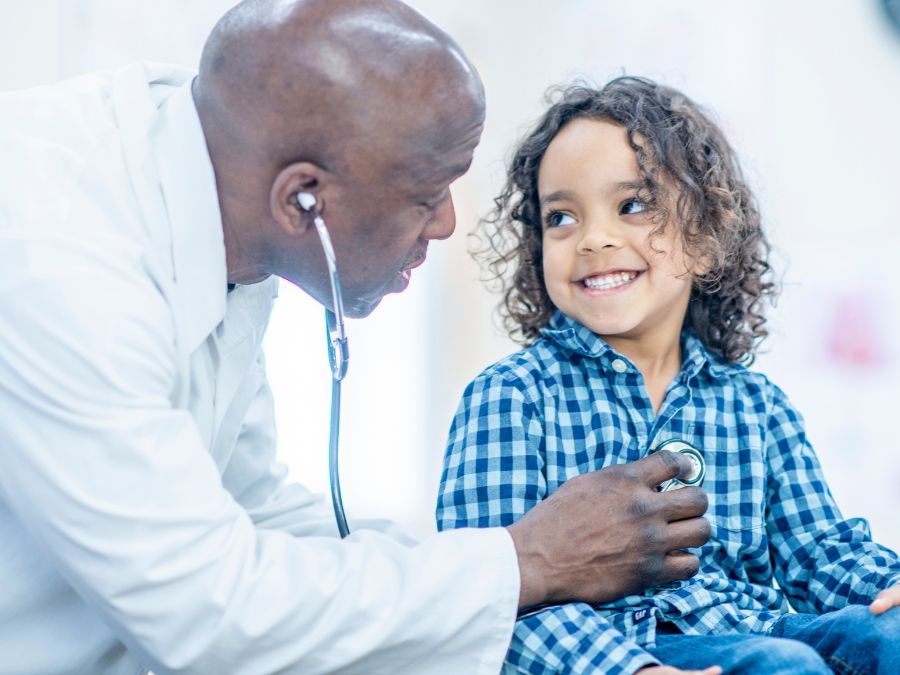
How Tufts Developmental and Behavioral Pediatrics has moved to a strengths-based model using the HOPE framework
Learn how leaders of Tufts Developmental and Behavioral Pediatrics used the HOPE framework to promote Positive Childhood Experiences.

Free and low-cost ways to practice positive childhood experiences this summer
We created a list of fun summer tips and suggestions that connect to one or more of the Four Building Blocks of HOPE.
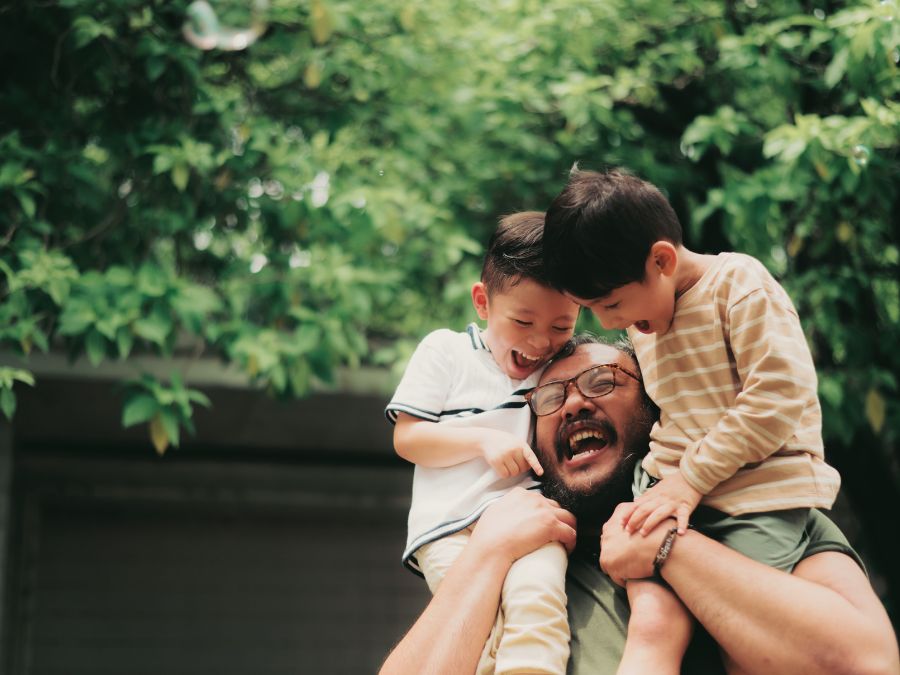
HOPE Champion Rebecca Armentrout uses the HOPE framework to address the diverse needs across communities
HOPE Champion Rebecca Armentrout promotes the HOPE framework through her work at Nebula Childcare Collaborative.
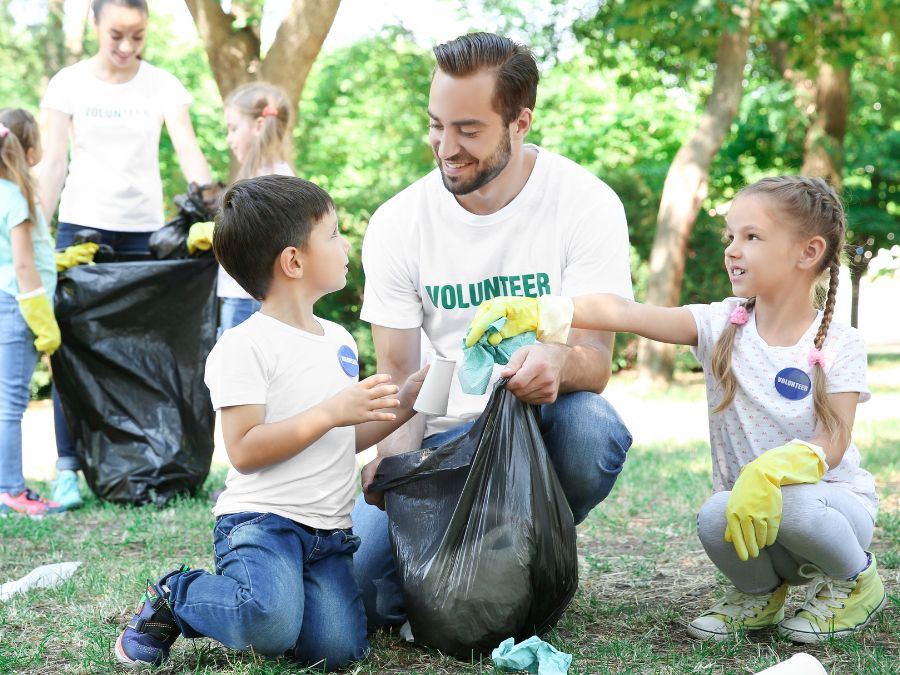
Opportunities for social and civic engagement promote a sense of mattering and belonging
Social and civic engagement gets children involved in something bigger than themselves, instilling a sense of mattering, belonging, and importance.
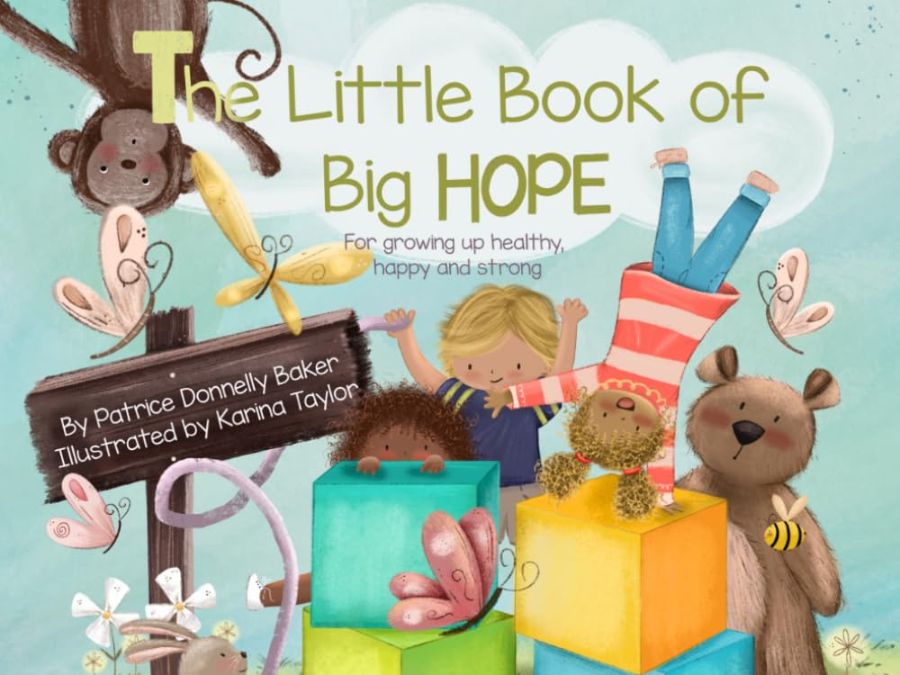
HOPE Champion Patrice Baker promotes positive experiences through her children’s book
Learn more about HOPE Champion Patrice Baker’s journey and thought process when creating the new HOPE children’s book.
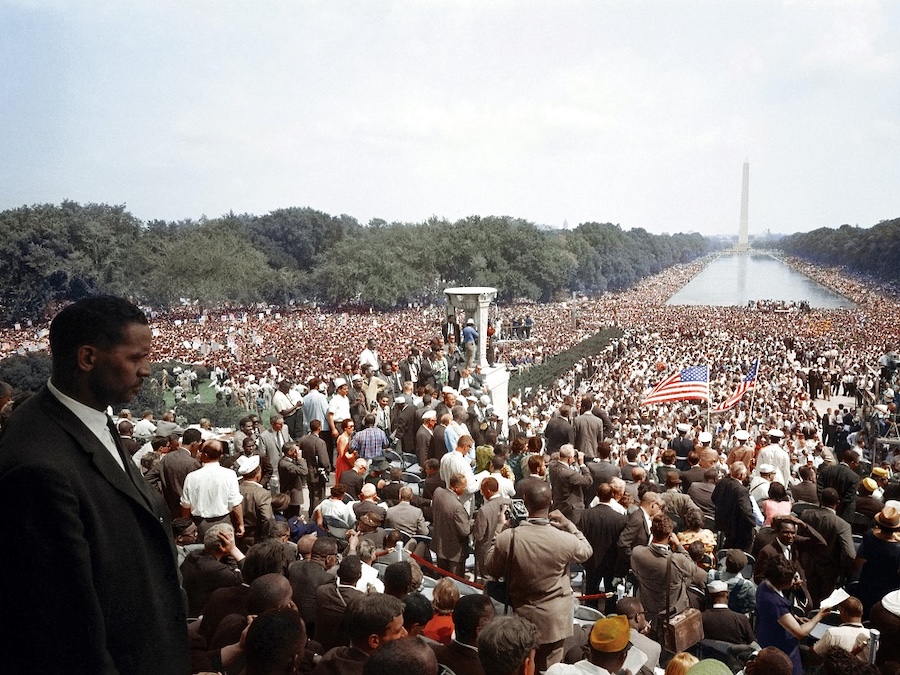
Juneteenth: its history, celebration, and connection to practicing the HOPE framework
Juneteenth is a day of celebration and a call to continue our anti-racist work into both our professional and personal lives.
What is the HOPE framework?
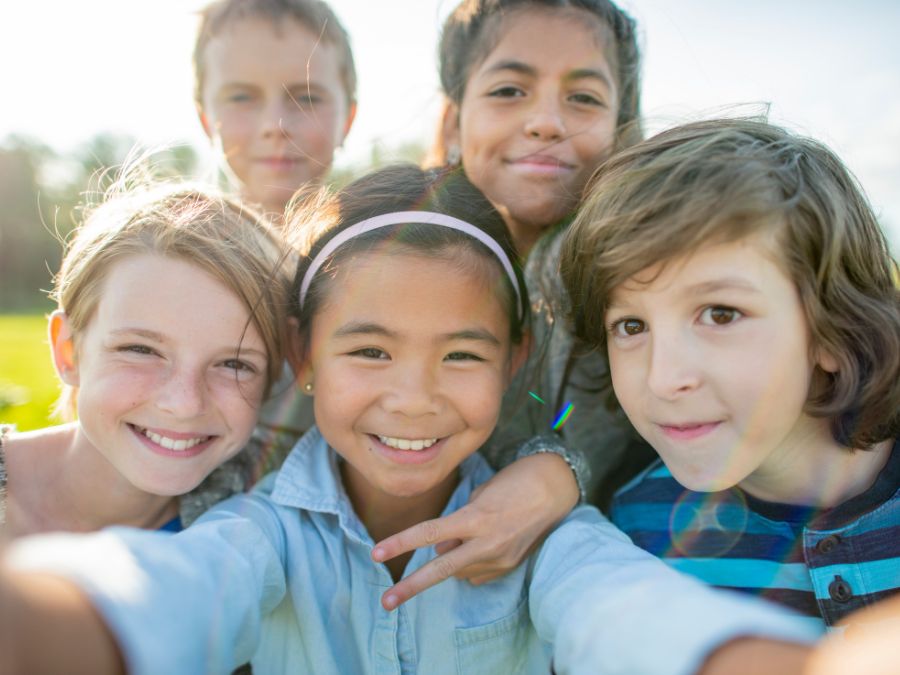
Why positive childhood experiences are important for all children and families
Positive childhood experiences are protective experiences that help heal the brain from trauma and promote healthy mental health in adulthood.

How can we heal from Adverse Childhood Experiences?
Developing a practice that incorporates positive childhood experiences (PCEs) can lessen the lifelong effects of harmful experiences and allows the brain to heal from trauma.

Type 1 and type 2 thinking: A key component of the HOPE framework
Learn how a key component of the HOPE framework, Type 2 thinking, can help you slow down and improve your work with children and families.
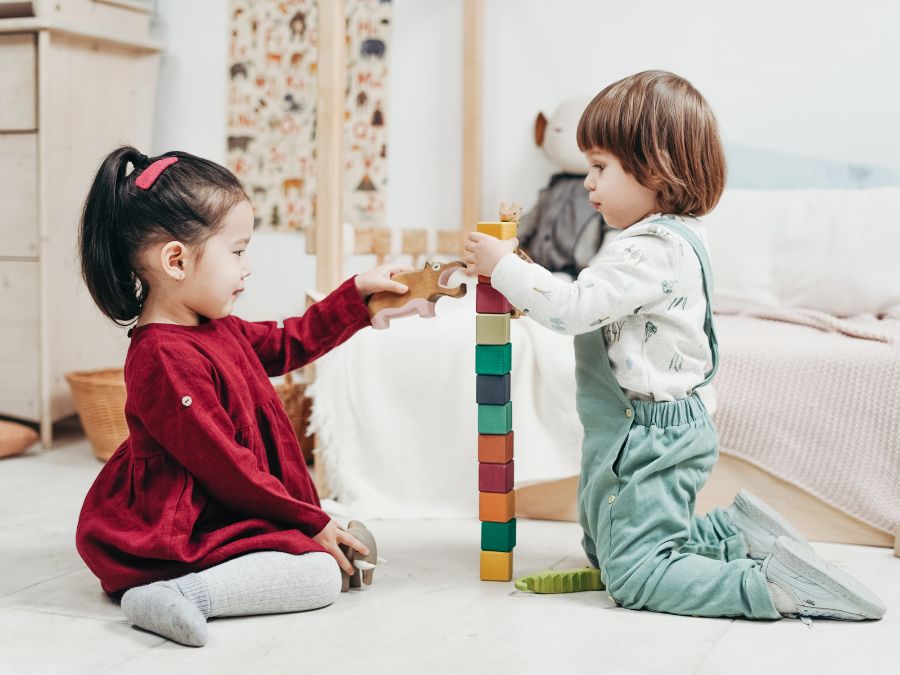
How the HOPE framework differs from strength-based and trauma-informed care approaches
HOPE is an impactful framework that can be used on its own and alongside other models like strength-based and trauma-informed care approaches.
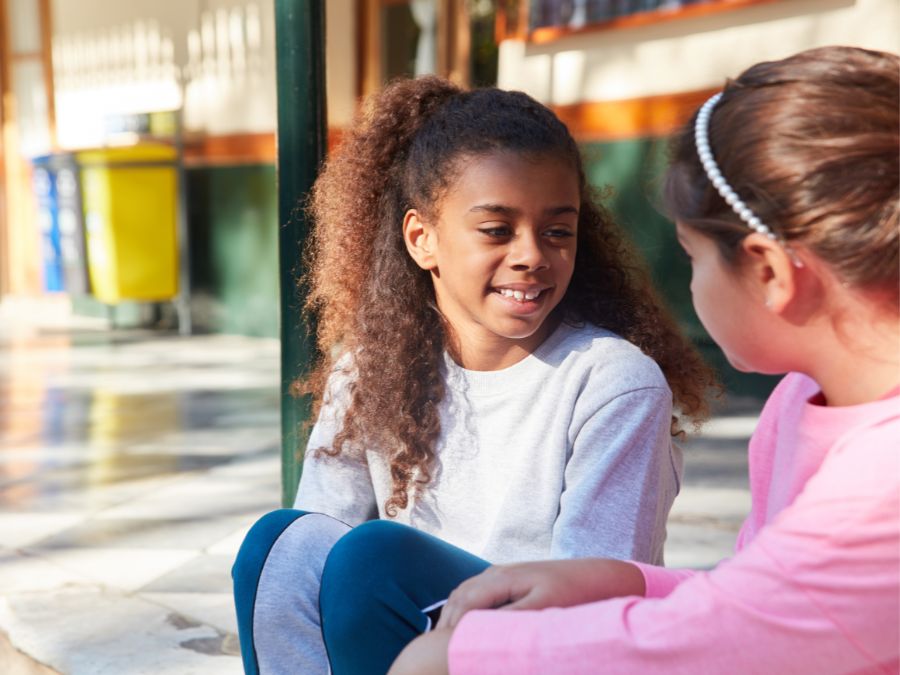
How to start conversations about the HOPE framework
Knowing how to talk about the difference HOPE can make is a key part to spreading HOPE.
Top resources to get started on promoting positive childhood experiences
When going through the first steps towards HOPE implementation, knowing what resources you can use is the key to success.
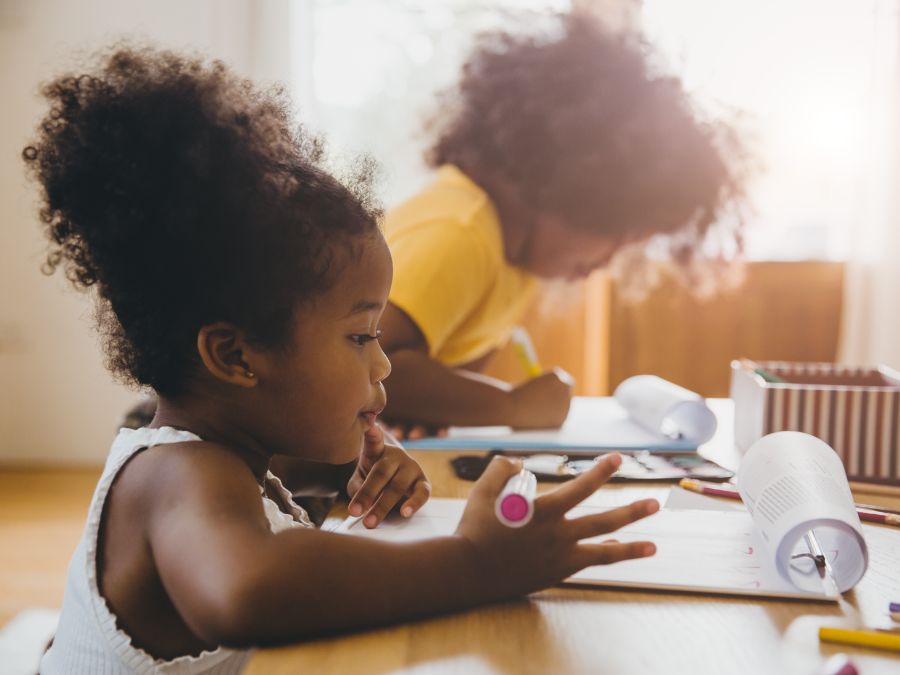
Training opportunities to increase your practice of the HOPE framework
The HOPE National Resource Center offers training options at all levels, from introductory workshops and courses to advanced certifications.
How people practice the HOPE framework
How HOPE Champions at San Diego Center for Children implement the HOPE framework
HOPE Champions Aisha Pope and Kristen Corcum use staff trainings and surveys to create positive changes at the San Diego Center for Children.
How Tufts Developmental and Behavioral Pediatrics has moved to a strengths-based model using the HOPE framework
Learn how leaders of Tufts Developmental and Behavioral Pediatrics used the HOPE framework to promote Positive Childhood Experiences.
HOPE Champion Rebecca Armentrout uses the HOPE framework to address the diverse needs across communities
HOPE Champion Rebecca Armentrout promotes the HOPE framework through her work at Nebula Childcare Collaborative.
HOPE Champion Patrice Baker promotes positive experiences through her children’s book
Learn more about HOPE Champion Patrice Baker’s journey and thought process when creating the new HOPE children’s book.
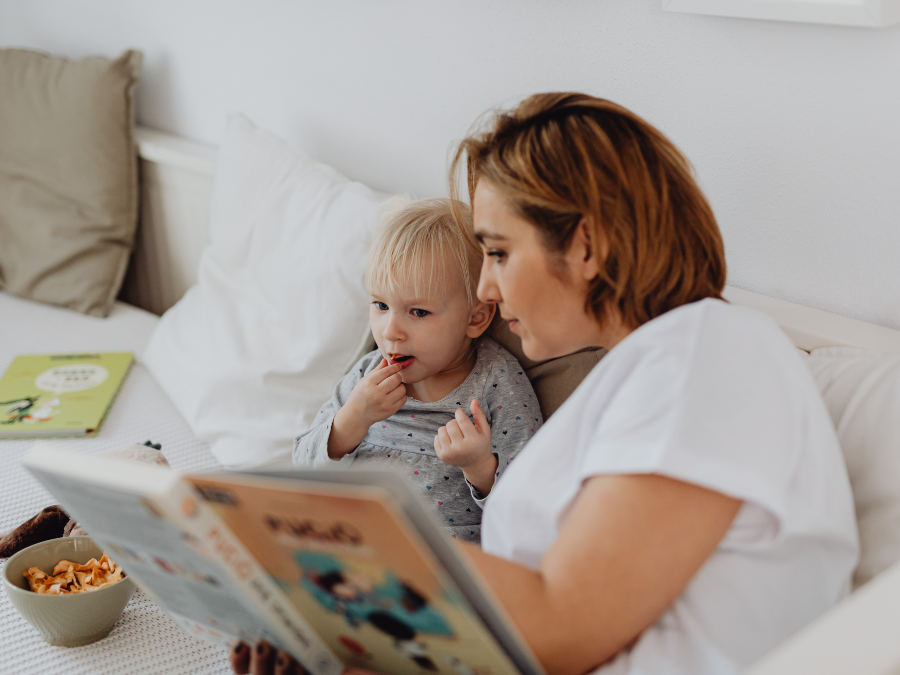
HOPE Champion Amanda Mills promotes positive experiences with families experiencing homelessness
HOPE Champion Amanda Mills uses simple everyday actions to promote positive childhood experiences with families experiencing homelessness.

Using the HOPE framework to address isolation and collective trauma in Hawaii
Learn how HOPE Champions Heidi-Ann Allencastre and Ann Davis at Family Hui Hawaii are shifting away to a healing-centered practice.
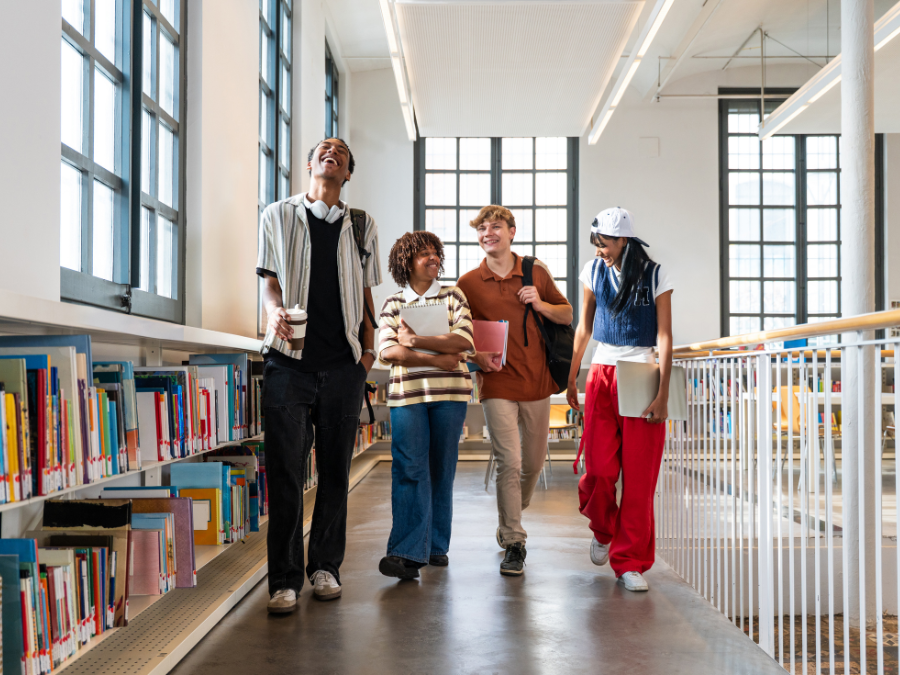
HOPE Champion Jason McCoy uses the HOPE framework to address youth substance misuse prevention
Learn how HOPE Champion Jason McCoy uses the HOPE framework in Clay County Minnesota to engage youth in substance misuse prevention.
HOPE Champion Holly Naylor uses the HOPE framework to improve intake process
Making organizational changes to improve the intake process by promoting the Four Building Blocks of HOPE.

HOPE Champion Ann Ellison uses the HOPE framework to help grieving families heal
Making a difference for children and families who have experienced loss by promoting the HOPE framework and PCEs.

The New York Times feature: Healing childhood trauma with the HOPE framework
The NYT published an article on the HOPE framework and the protective factors of positive childhood experiences.
Resources highlights
How organizations can create positive internal culture using the HOPE framework
To effectively implement the HOPE framework it is important for organizational leaders to practice the framework as well.
Top resources to get started on promoting positive childhood experiences
When going through the first steps towards HOPE implementation, knowing what resources you can use is the key to success.
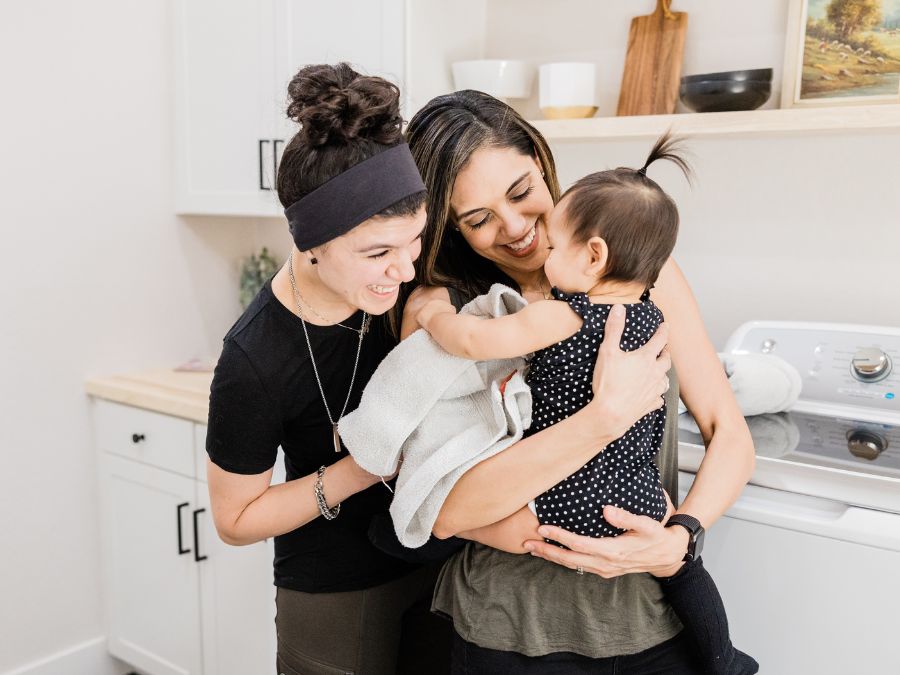
Supporting the LGBTQ2IA+ community with the HOPE framework
When we shift the conversation to accept, include, and engage with the LGBTQ+ community, we provide a HOPEful place for everyone.

From ideas to impact: Introducing the HOPE Evaluation Toolkit
The new HOPE Evaluation Toolkit is now live, learn how to use it to improve your implementation and evaluation of the HOPE framework.
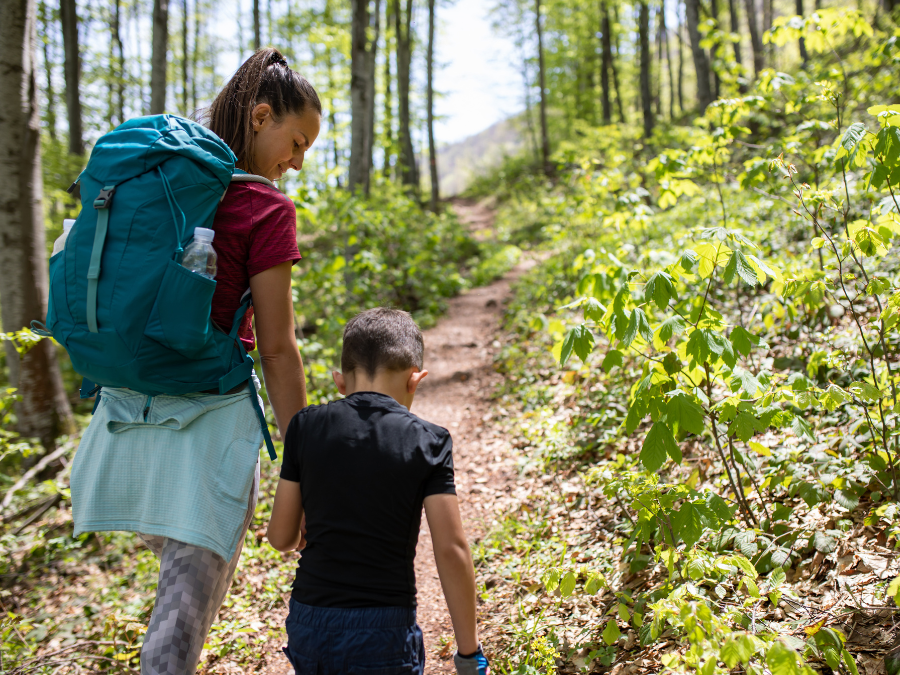
The different paths towards practicing the HOPE framework
Learn about the different ways to grow your practice with the HOPE framework through trainings, resources, and online courses.
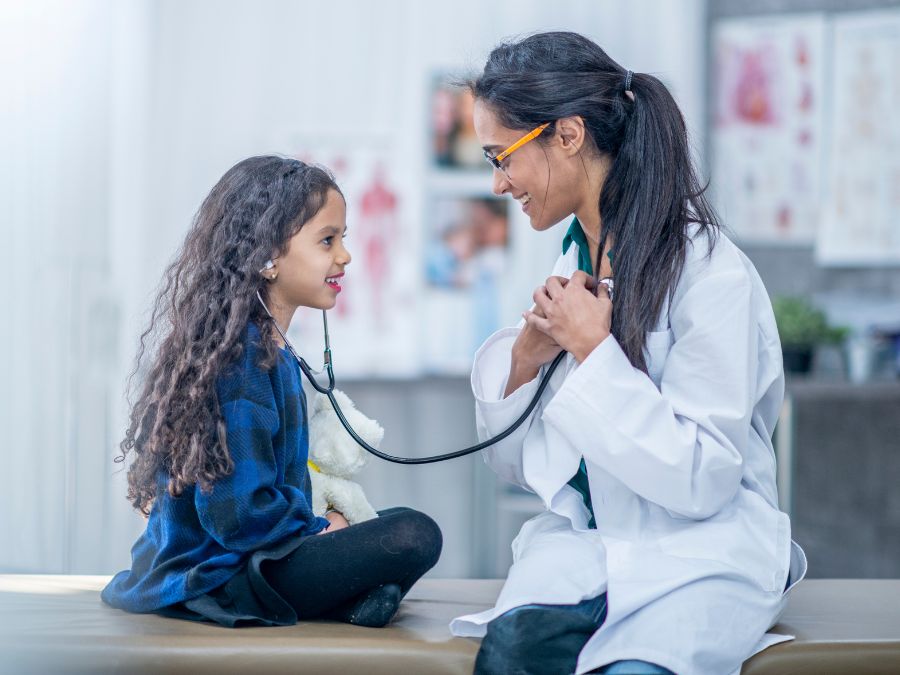
Using the HOPE framework in healthcare and medical settings
Medical providers can incorporate the HOPE framework into their policies, programming, and practices by utilizing these new resources.
California Department of Public Health resource on positive childhood experiences
California Department of Public Health resource on positive childhood experiences

Using the HOPE framework to improve peer relationships at the Asbury Park Boys and Girls Club
Recent research shares how to make improvements for youth and staff in a community-based setting using the HOPE framework.
How can we heal from Adverse Childhood Experiences?
Developing a practice that incorporates positive childhood experiences (PCEs) can lessen the lifelong effects of harmful experiences and allows the brain to heal from trauma.

2025 HOPE resource round-up
Throughout 2025, the HOPE National Resource Center was busy creating resources on PCEs and the Four Building Blocks of HOPE.
Research highlights
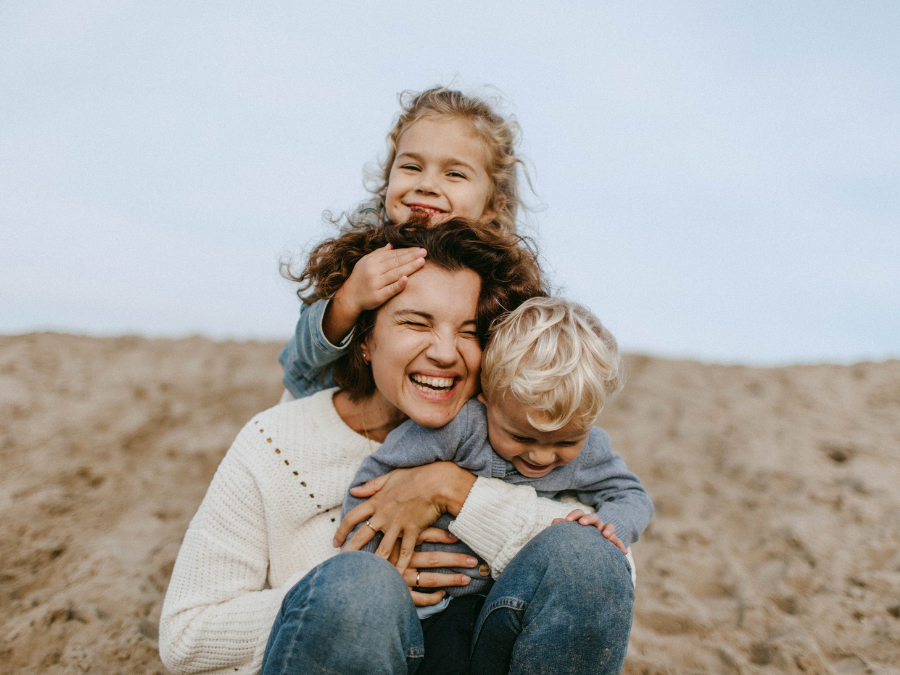
New study finds that Positive Childhood Experiences help overcome the lifelong health effects of childhood trauma
New study finds that Positive Childhood Experiences help overcome the lifelong health effects of childhood trauma.
Using the HOPE framework to improve peer relationships at the Asbury Park Boys and Girls Club
Recent research shares how to make improvements for youth and staff in a community-based setting using the HOPE framework.
How can we heal from Adverse Childhood Experiences?
Developing a practice that incorporates positive childhood experiences (PCEs) can lessen the lifelong effects of harmful experiences and allows the brain to heal from trauma.

The HOPE National Resource Center throughout 2025: A year in review with HOPE Director Robert Sege
HOPE Director Robert Sege reflects on what the HOPE National Resource Center has accomplished in the past year and looks ahead to 2026.

Positive childhood experiences are important for early relational health
A recently released new consensus study highlights the importance of early relationships and positive childhood experiences.
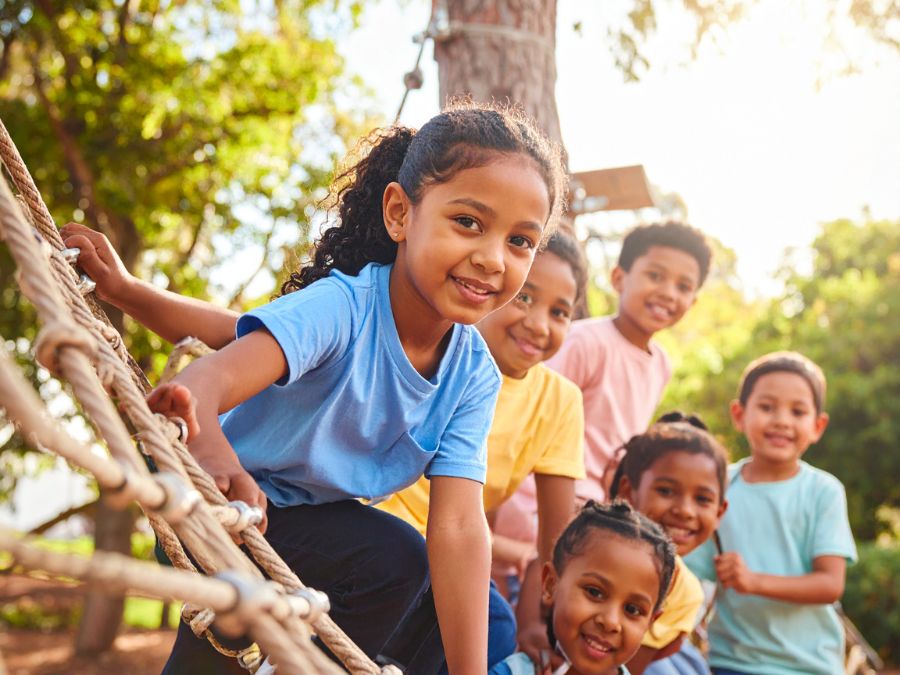
New publication outlines a Positive Deviance approach to increase positive peer relationships among youth
The research team used a Positive Deviance approach to conduct a quality improvement project at BGCM’s Asbury Park location in New Jersey.
Resource highlight: Ten takeaways from recent positive childhood experience (PCE) research
We created a new resource that translates key research findings on positive childhood experiences (PCEs) to encourage action.
Why positive childhood experiences are important for all children and families
Positive childhood experiences are protective experiences that help heal the brain from trauma and promote healthy mental health in adulthood.
CDC awards the HOPE National Resource Center a $1.4 million, 3-year research grant looking into the impact of PFML on PCEs and ACEs
This research study will broaden the knowledge of positive childhood experiences within the context of PMFL policies in multiple states.

Groundbreaking research shows the health and economic benefits of positive childhood experiences
New research from the HOPE team shows that positive childhood experiences (PCEs) improve both health and economic benefits.
Contact us
Do you have a story to share about how you practice the HOPE framework? Now sure how to get started promoting positive childhood experiences (PCEs) in your work with children and families? Reach out to us with your questions and stories!