
Using the HOPE Framework during times of natural disasters
Learn how to utilize the HOPE framework and promote the Four Building Blocks of HOPE during natural disasters.

Learn how to utilize the HOPE framework and promote the Four Building Blocks of HOPE during natural disasters.
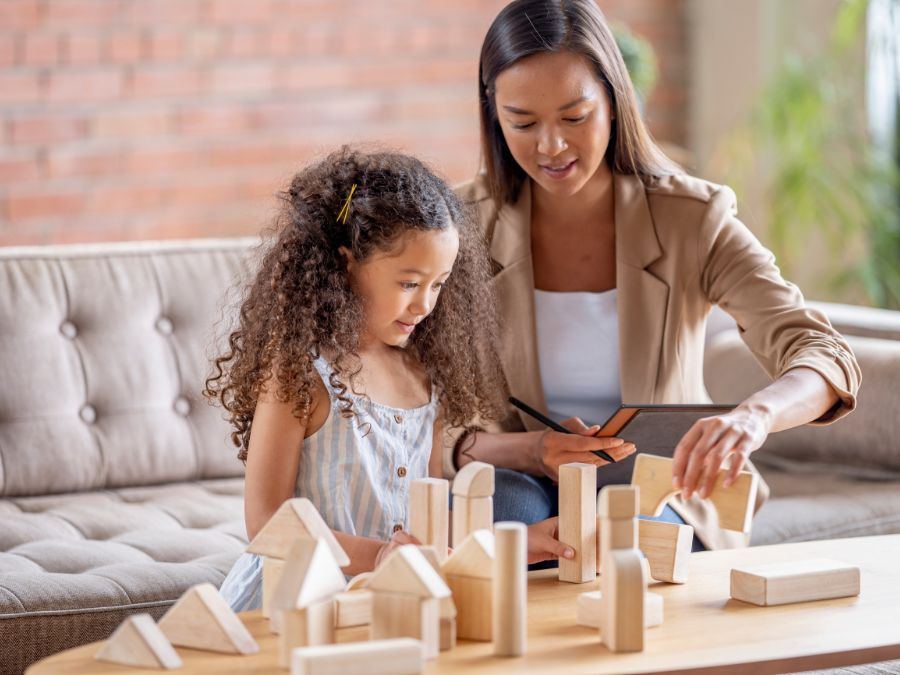
Learn how to start your HOPE journey and create HOPE-informed changes on the organizational level.
Learn practices to promote the HOPE Building Block of emotional growth through a personal experience.
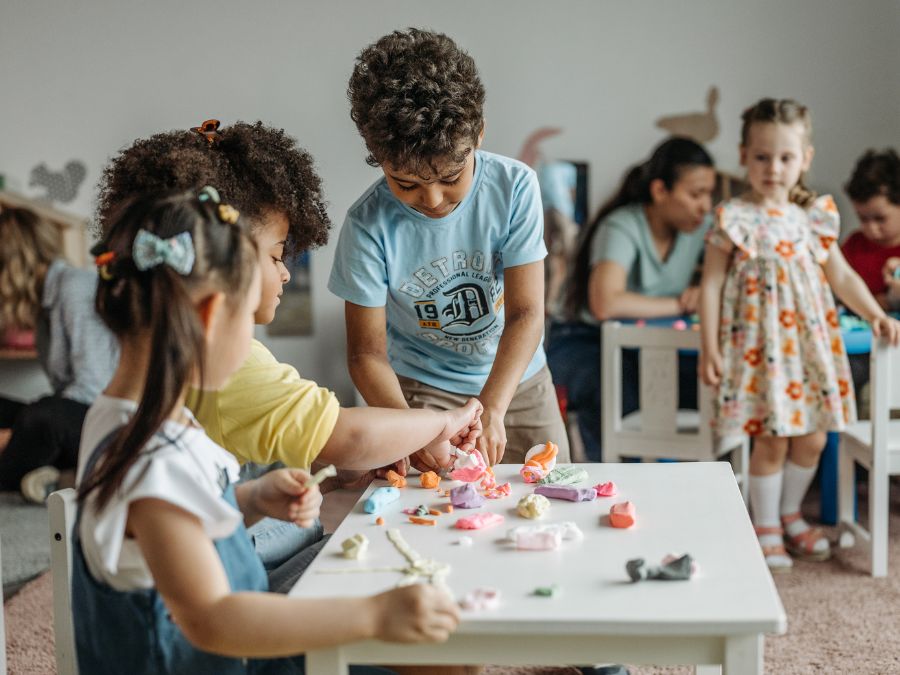
The HOPE NRC held four in-person meetings to share how organizations are implementing HOPE across the country.
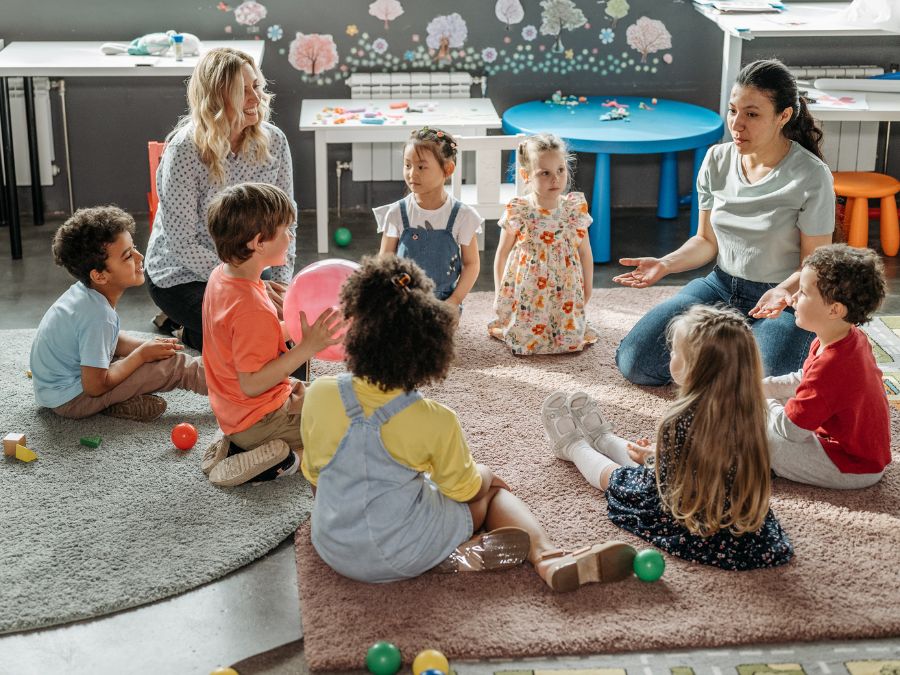
The HOPE National Resource Center partnered with CSSP and NACCHO to release a free, online course for systems-impacted families.
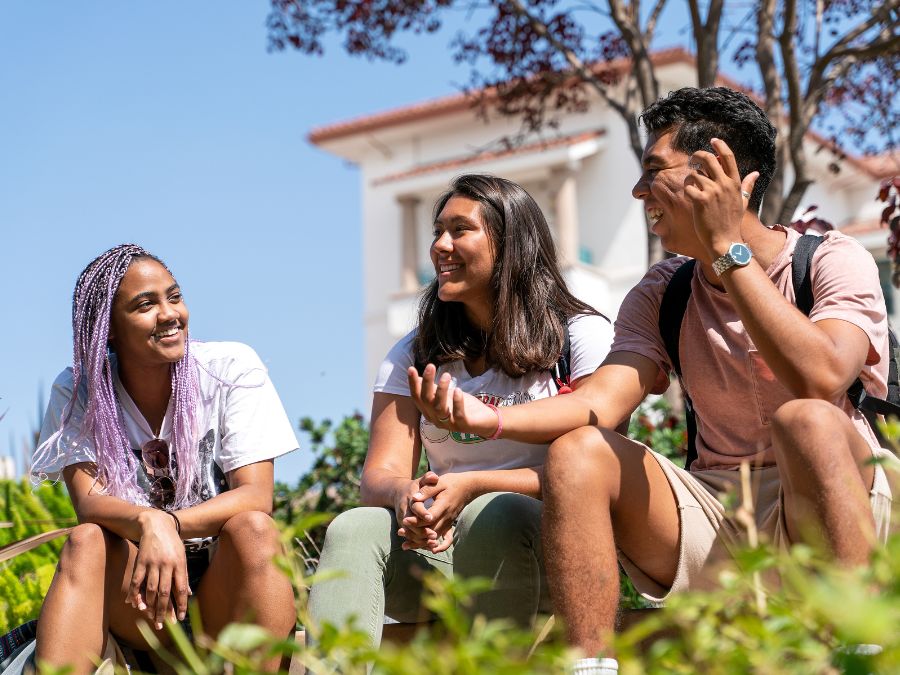
Learn how San Diego State University plans to become the first HOPE-Informed university.
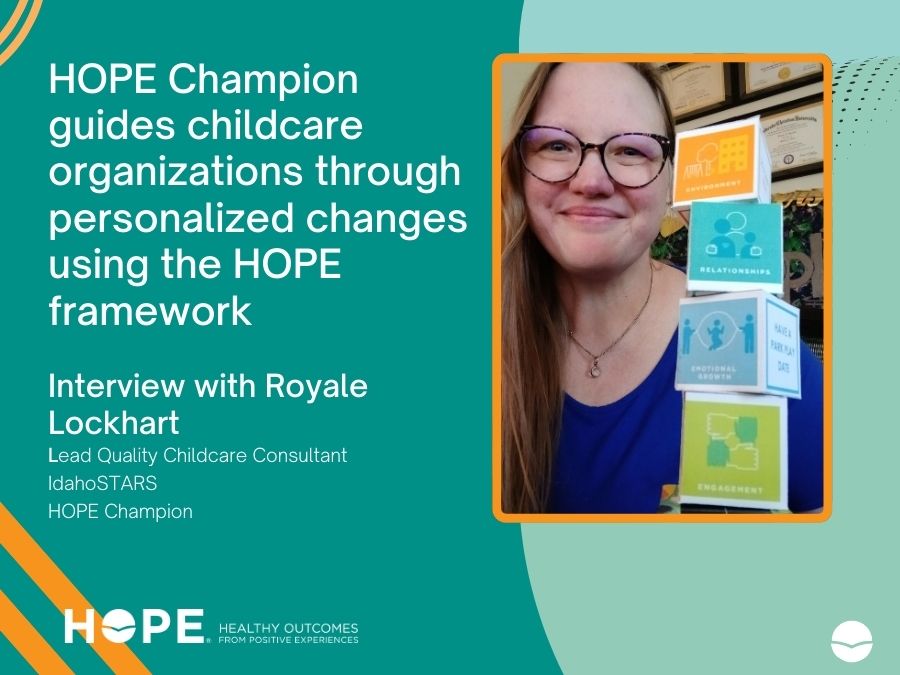
HOPE Champion, Royale Lockhart, shares how COVID-19 and the HOPE framework changed her work with children and families.
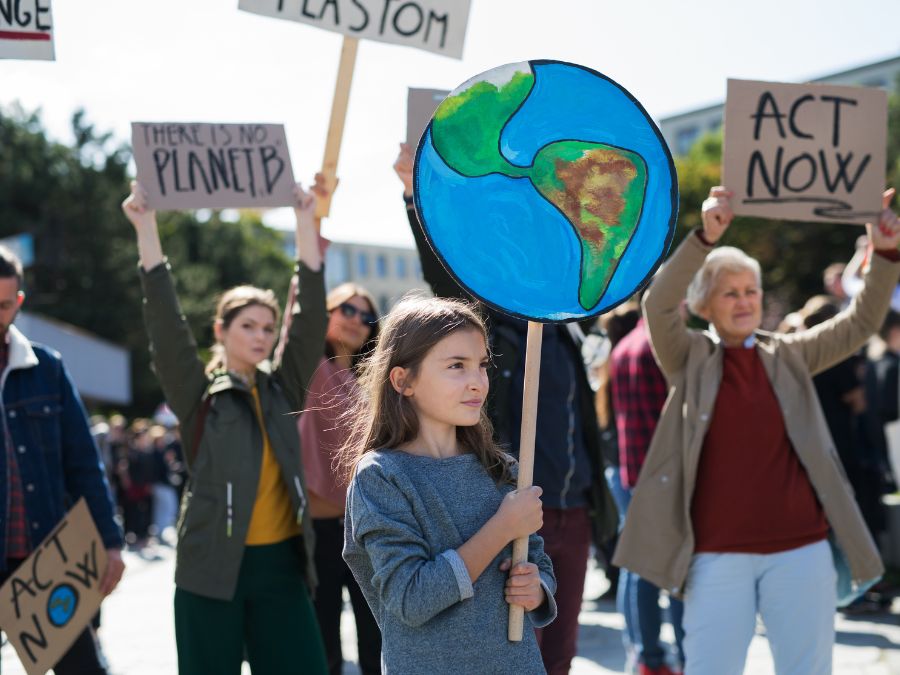
When youth engage in advocacy efforts, they learn that their voice matters, and that they can make a difference.
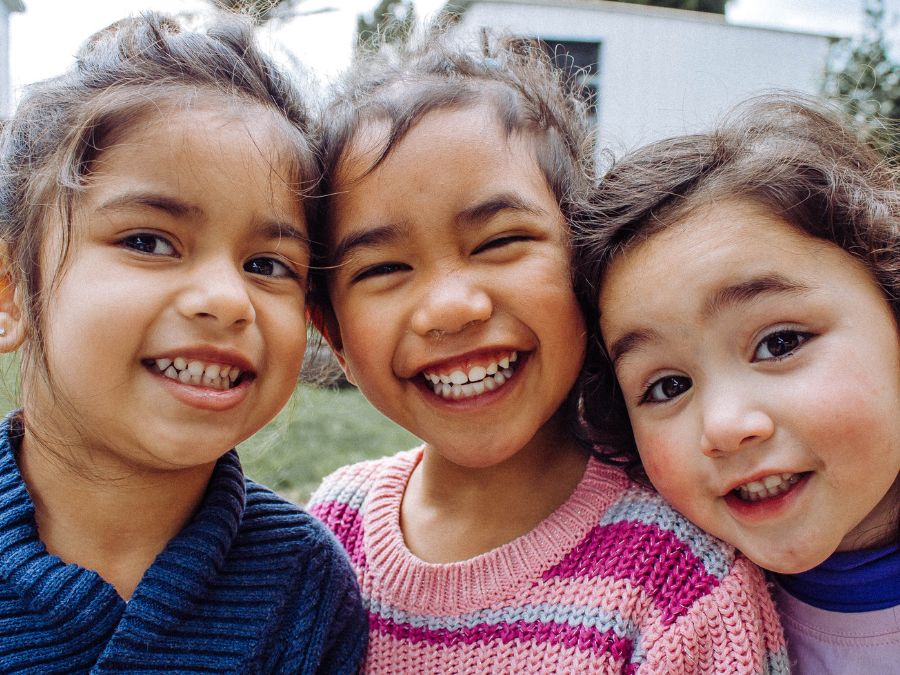
Research on positive childhood experiences is expanding, growing our knowledge and helping our practice.

To ensure equitable access to PCEs for all children and families, we need to advocate for public funding for local community resources like public libraries.