Supporting organizational transformation through the HOPE framework | Recapping the 2024 HOPE Summit
We just finished the 2024 HOPE Summit – The HOPE Transformation, learn about highlights and key takeaways from the conference.

We just finished the 2024 HOPE Summit – The HOPE Transformation, learn about highlights and key takeaways from the conference.

HOPE is an impactful framework that can be used on its own and alongside other models like strength-based and trauma-informed care approaches.

Advocating for policies that promote positive childhood experiences protects children’s mental health and physical health and safety.
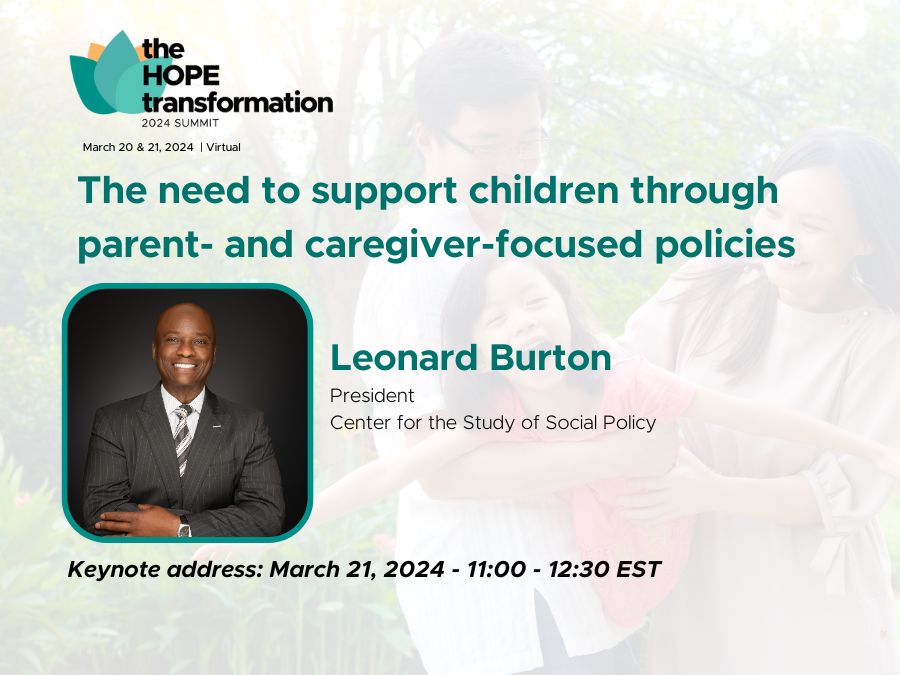
Behind every child and community that is strong and flourishing, are parents whose love and devotion and unceasing work make this all possible.
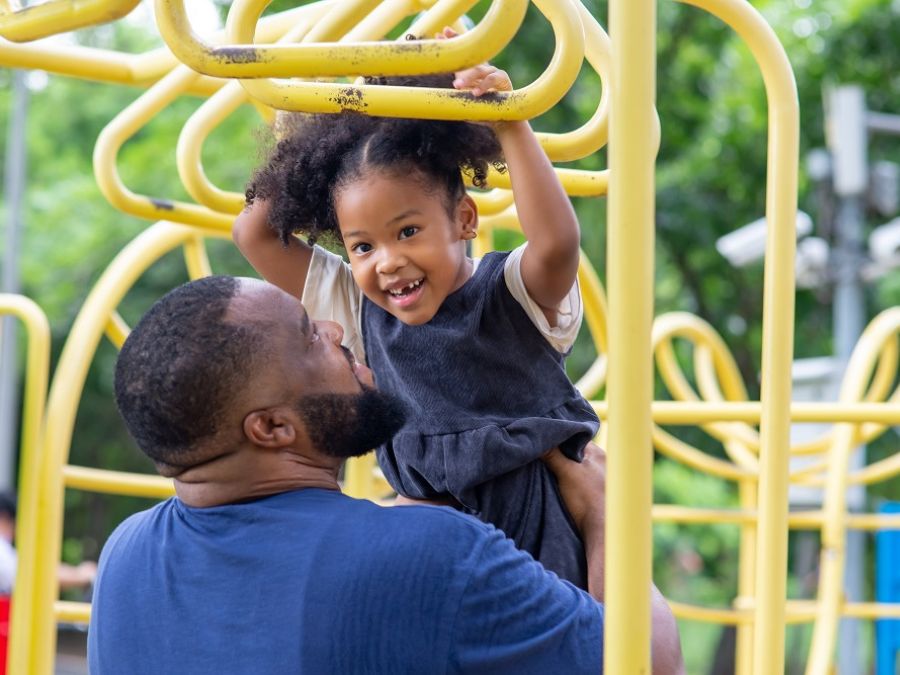
The HOPE framework encourages professionals to seek out strengths and note the resiliency in families who are often faced with racism.
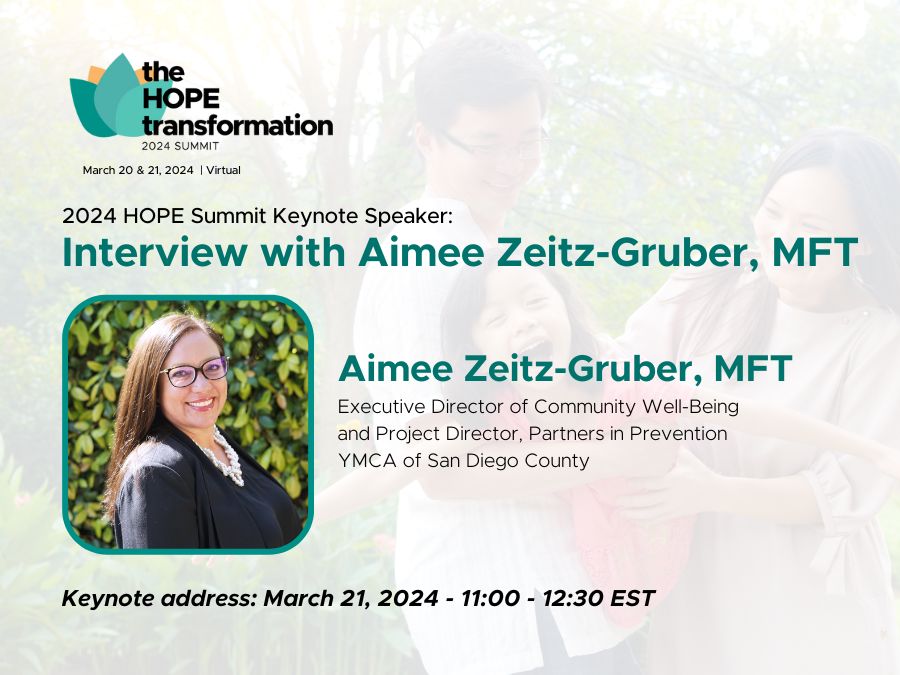
Aimee Zeitz-Gruber discusses the importance of incorporating positive childhood experiences into multiple areas of YMCA San Diego.
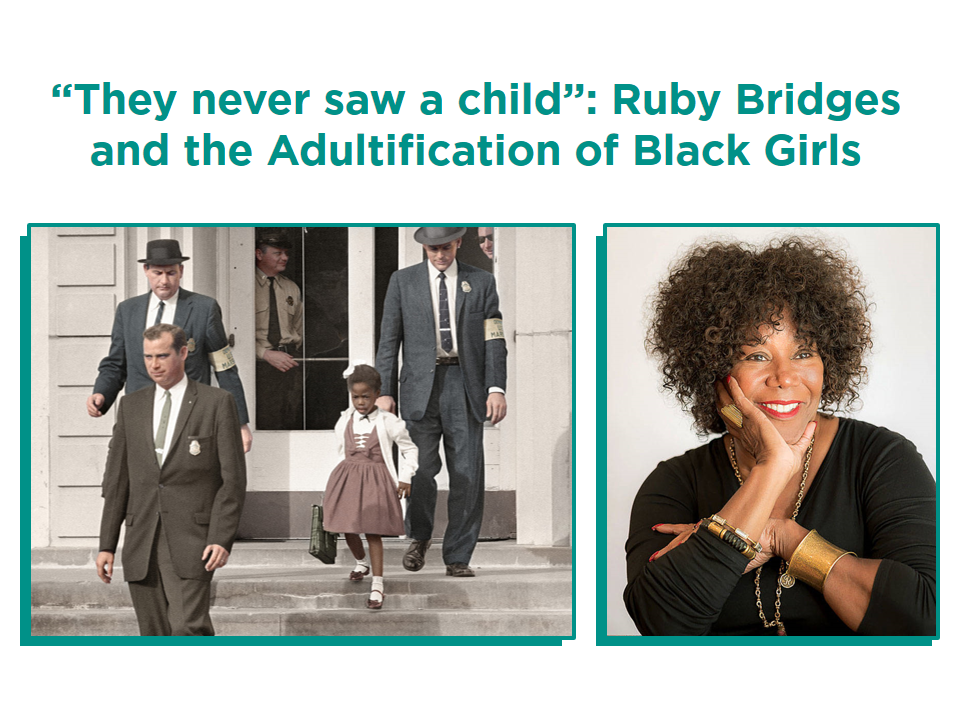
To this day, young Black girls are perceived to be less needing of love and leniency and less innocent than their peers. They are pushed toward adulthood long before their childhood years have begun to end.
During the Week of HOPE, we host events and share new resources that honor and promote the widespread use of positive childhood experiences.

New research shows that the more childcare disruptions parents experienced during the pandemic the more stress they experienced.

Over the last year the HOPE National Resource Center has worked hard to create new programs and update existing ones.