Year in review: Spreading the HOPE framework with our partners
It has been a year full of strong partnerships, and a growing community, learn how HOPE has spread this year through partnership and collaboration.

It has been a year full of strong partnerships, and a growing community, learn how HOPE has spread this year through partnership and collaboration.
Every organization, community, and family practices PCEs differently, which is why these resources leave room for flexibility in their practice.
Through this seasonal resource, there are big and small moments to practice positive childhood experiences (PCEs) during the holidays.
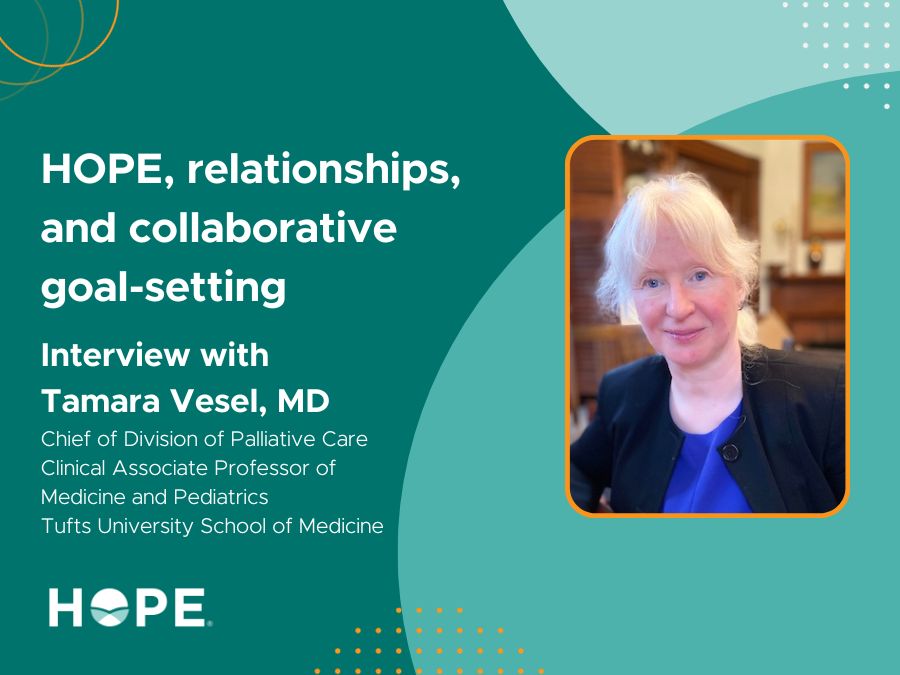
Tamara Vesel, MD, shares her experience building relationships through goal concordant care in a palliative care setting.

Together, we are moving away from looking for only deficits in families and are identifying, honoring, and promoting sources of strength.
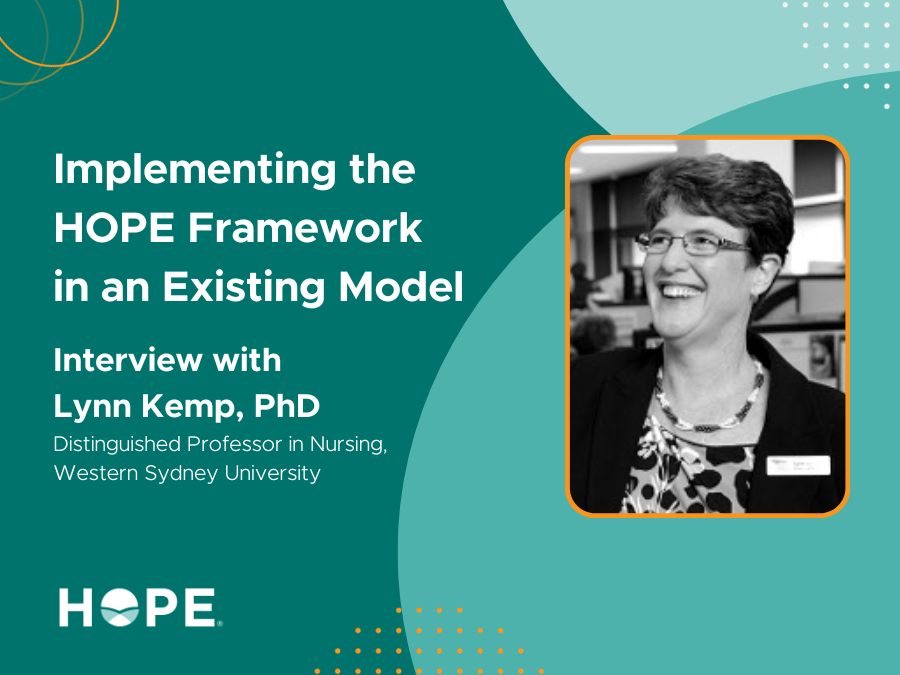
Lynn Kemp, PhD, shares her experiences with integrating the HOPE framework and the Four Building Blocks of HOPE into her work at Western Sydney University.
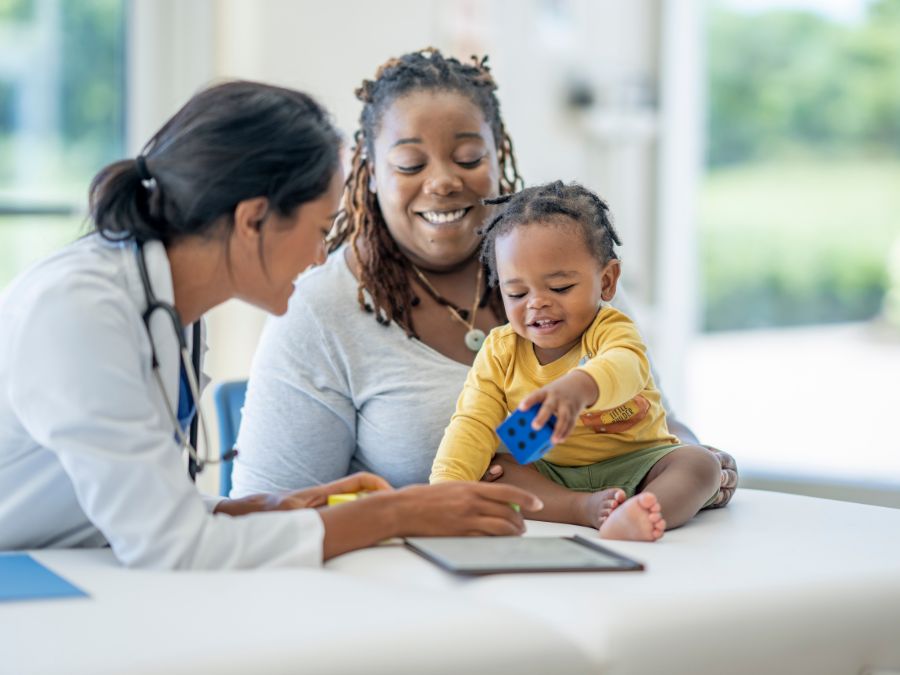
These simulation videos show how the HOPE Framework helps children, youth, and families feel seen, heard, and empowered to be leader in their own care.
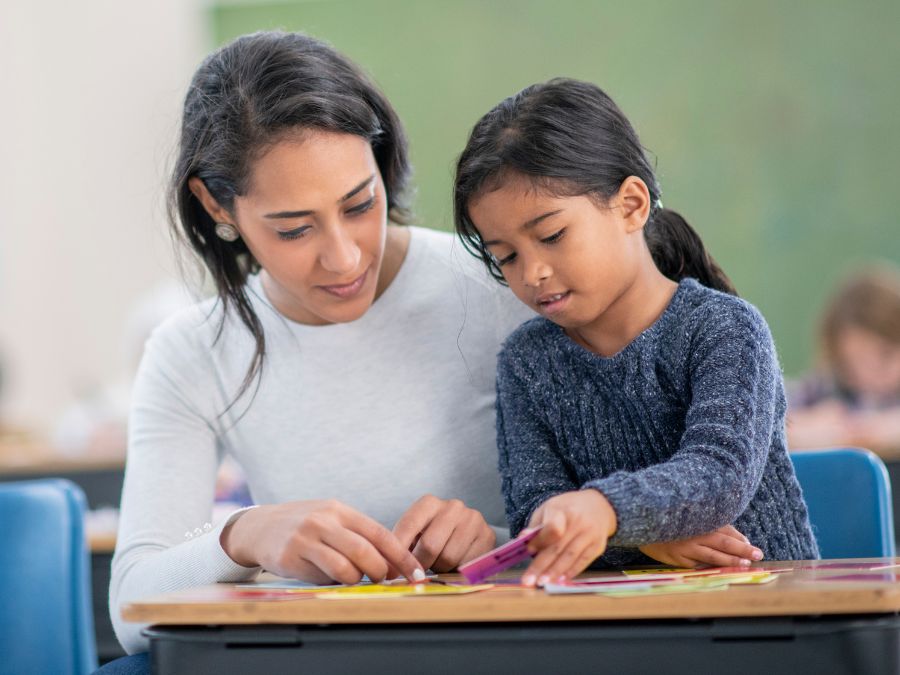
Having relationships where students can feel safe and supported helps them grow into healthy and resilient adults.
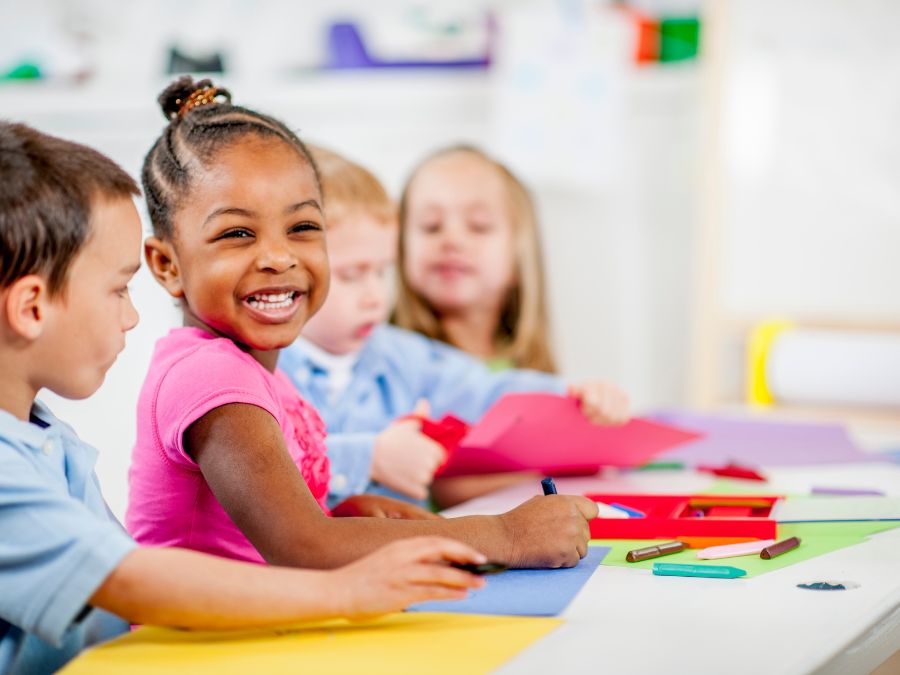
Becoming a HOPE Facilitator and a HOPE Champion brings the HOPE Framework to your community and organization.
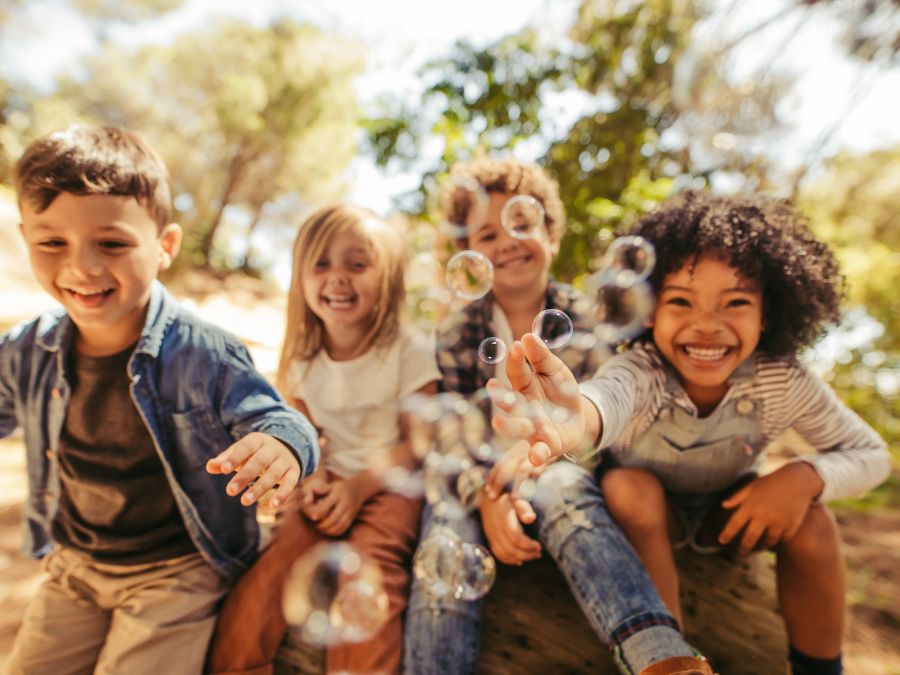
The Four Building Blocks of HOPE can prevent and reduce the effects of bullying, and provide a source of hope in children’s lives.