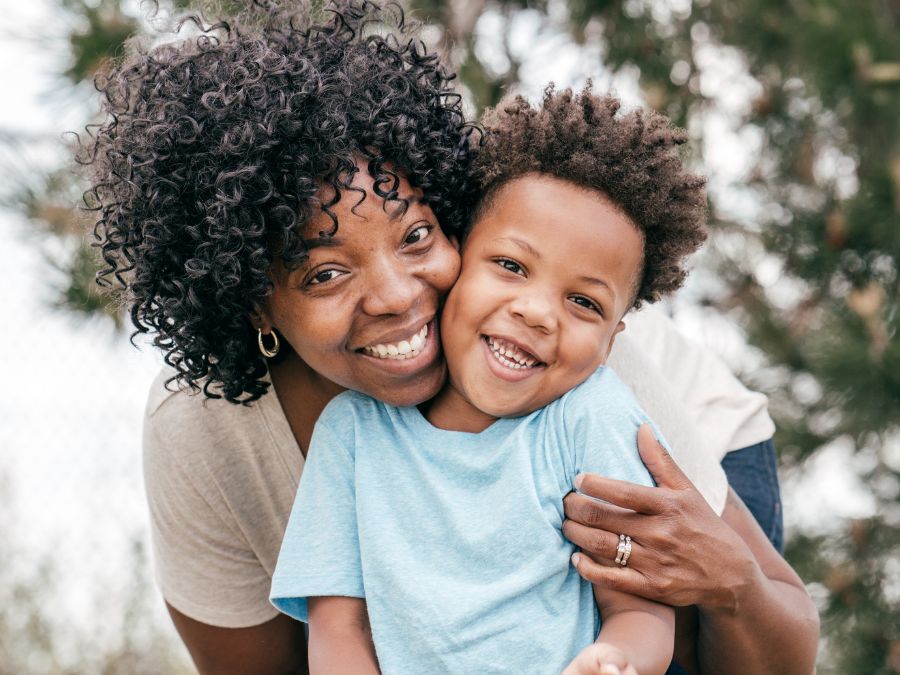
HOPE Champion Holly Naylor uses the HOPE framework to improve intake process
Making organizational changes to improve the intake process by promoting the Four Building Blocks of HOPE.

Making organizational changes to improve the intake process by promoting the Four Building Blocks of HOPE.
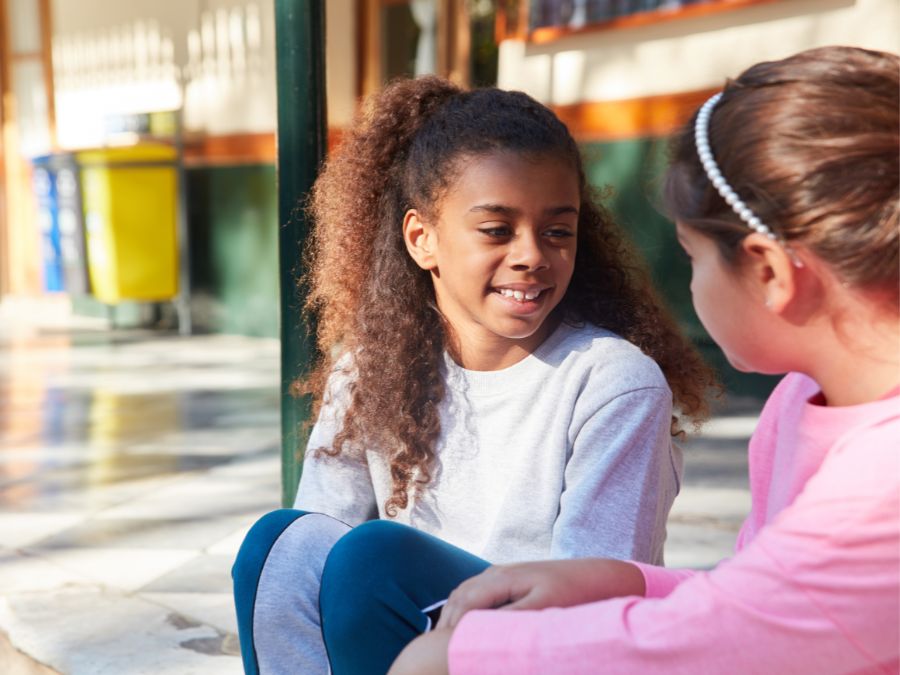
Knowing how to talk about the difference HOPE can make is a key part to spreading HOPE.
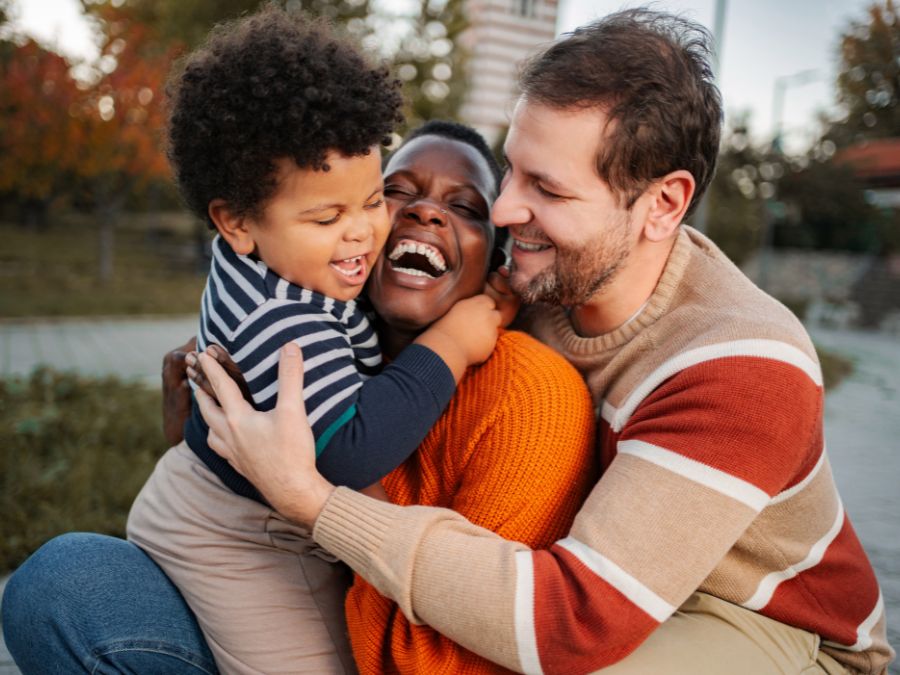
Learn more about the emotional growth Building Block of HOPE and how it builds resilience, confidence, and self-love in children and youth.

Making a difference for children and families who have experienced loss by promoting the HOPE framework and PCEs.
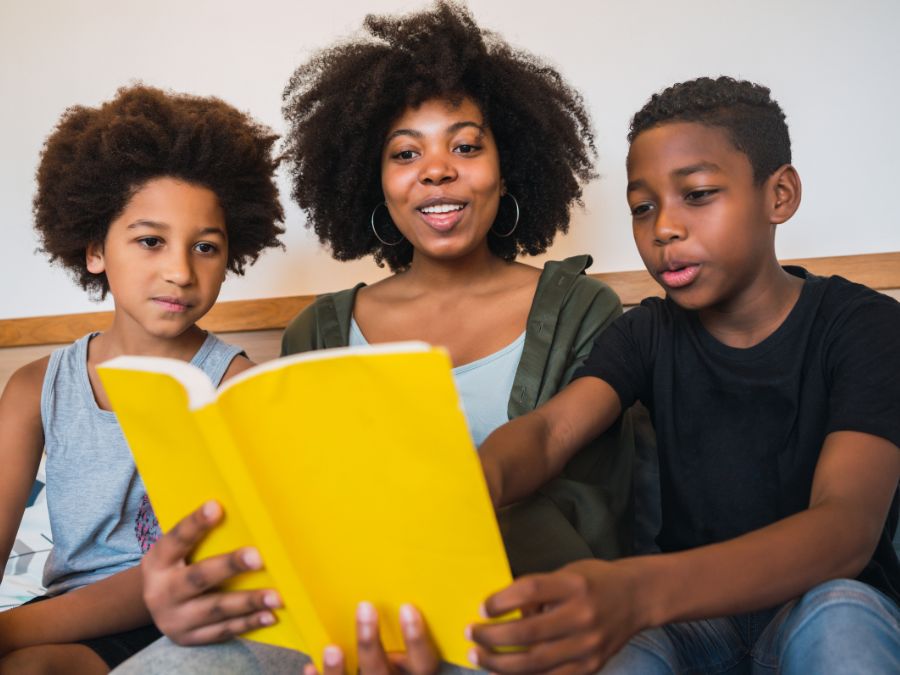
Celebrating Black History Month promotes the engagement Building Block of HOPE from children learning about themselves and others.

En marzo de 2026, HOPE en Español lanza su primera cohorte Train the Facilitator Certification completamente en español.

Recent research shares how to make improvements for youth and staff in a community-based setting using the HOPE framework.

The NYT published an article on the HOPE framework and the protective factors of positive childhood experiences.

Developing a practice that incorporates positive childhood experiences (PCEs) can lessen the lifelong effects of harmful experiences and allows the brain to heal from trauma.

Learn how HOPE Champion Savanah Cool promotes the HOPE-framework throughout communities in Michigan.