Reflecting on Thanksgiving to spread PCEs for all
Thanksgiving in New England marks the end of the fall season and the beginning of winter. This blog links the holiday, practicing gratitude, and creating memories of positive childhood experiences (PCEs) using the Four Building Blocks of HOPE as a guide. This long weekend is always the busiest travel time of the year, as people gather from far and wide to be together.
Ways to promote PCEs using the Four Building Blocks of HOPE
Relationships
Share stories about those in your family and from other families. Tell your children about who they will see around the table, and share a story or two about them. The holiday -created after the civil war – celebrated a story about the creation of the United States. What is your story? Where did your ancestors come from – and why?
Environment
Who will be hosting? Do they have different house rules? Regardless of where you will be, letting children know what is expected of them in advance can help make the holiday environment feel safe and secure. Many of us may also include a land acknowledgement. My family will be celebrating in the ancestral home of the Massachusetts tribe at Ponkapoag.
Engagement
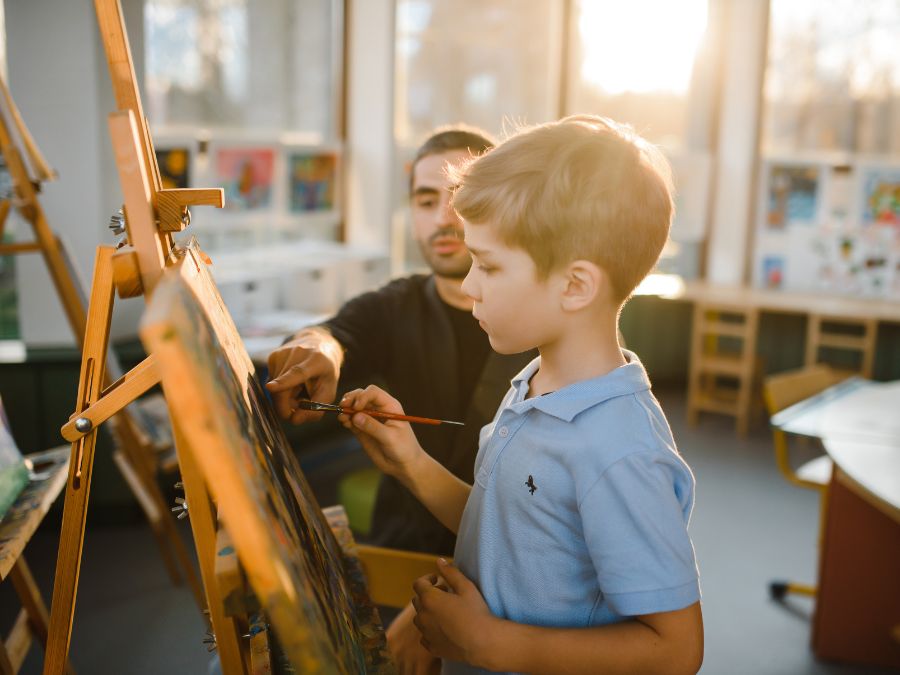
What a great opportunity for engagement! Some families bring their older children to volunteer at a community food pantry or banquet, where they learn that they can be of service. Helping with food preparation or cleanup can feel like an important responsibility. Older children can also be put in charge of part of the meal.
Emotional growth
Share as a family. The Holidays mark the passage of time and often bring out memories in all of us. Tell each other who and what you are grateful for and why. And help children learn the stories behind Thanksgiving.
We acknowledge that this day is not a positive one for Indigenous people of the U.S. and want to honor their experience. Within a generation after the Wampanoag leader invited the pilgrims to celebrate the harvest, a brutal war broke out, leading to the massacre of the indigenous people. Hundreds of years later, the development of the Thanksgiving holiday in the late 18th century took place after the European settlers had killed or displaced the indigenous civilization in North America. Many people also use the Thanksgiving season to celebrate indigenous culture – then and now!
The HOPE National Resource Center is grateful for you
Most of all, celebrate what you are grateful for. The people at the HOPE National Resource Center feel so much gratitude for our opportunities to meet amazing people all over the country, from all different backgrounds, who have dedicated themselves to the children and families in their communities. Take a moment to look around at all the people who make our lives better and knit our communities together. Thank you all!