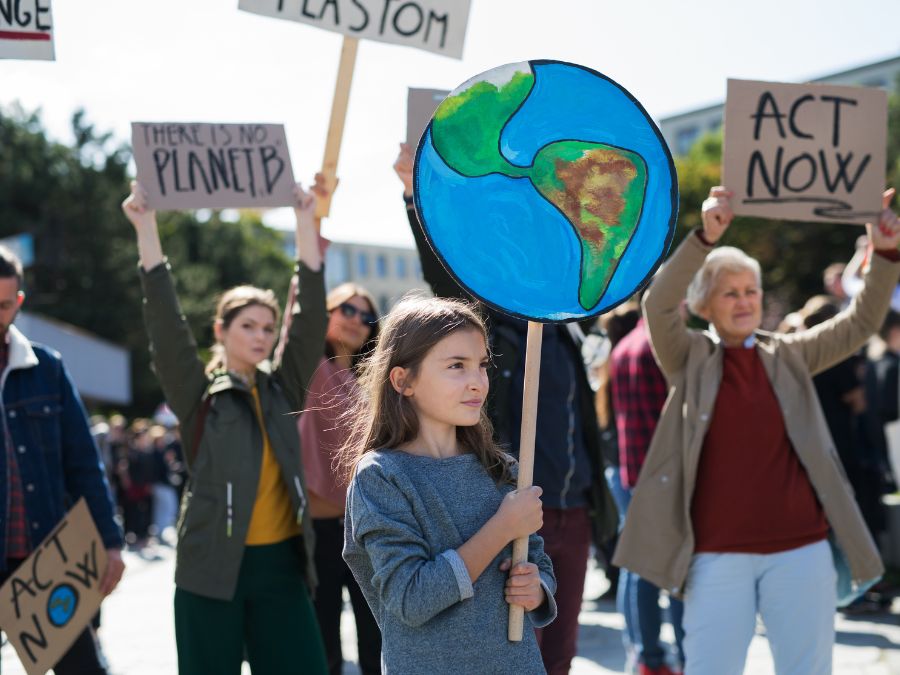
Youth engaging in advocacy can make a difference
When youth engage in advocacy efforts, they learn that their voice matters, and that they can make a difference.

When youth engage in advocacy efforts, they learn that their voice matters, and that they can make a difference.
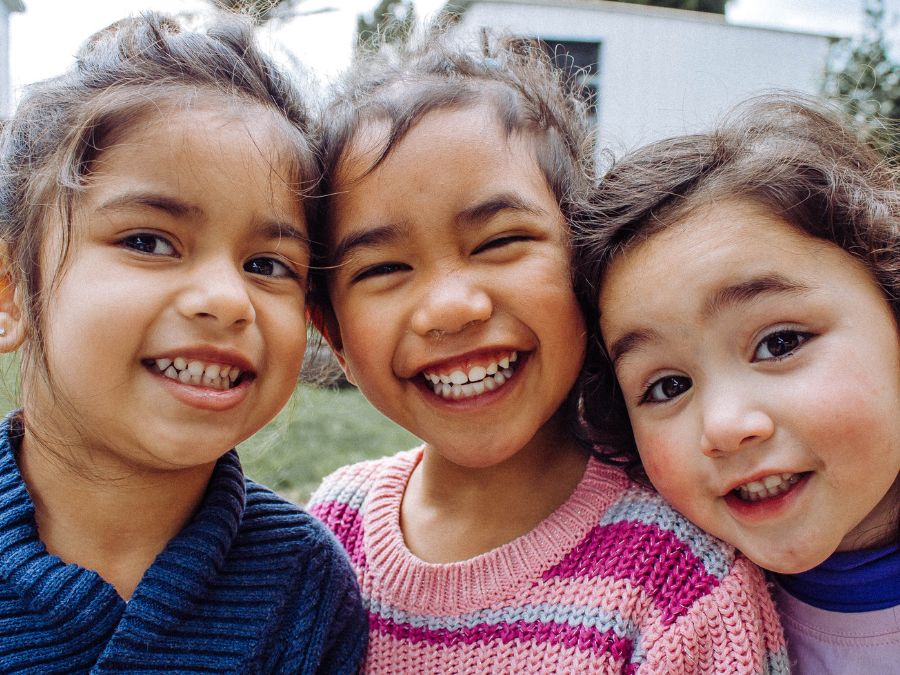
Research on positive childhood experiences is expanding, growing our knowledge and helping our practice.
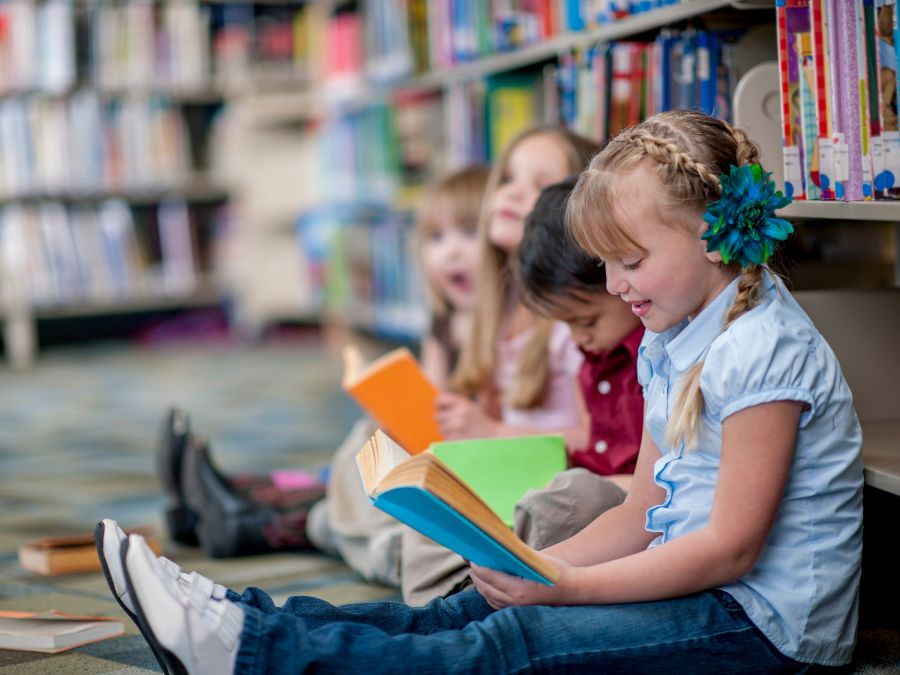
To ensure equitable access to PCEs for all children and families, we need to advocate for public funding for local community resources like public libraries.
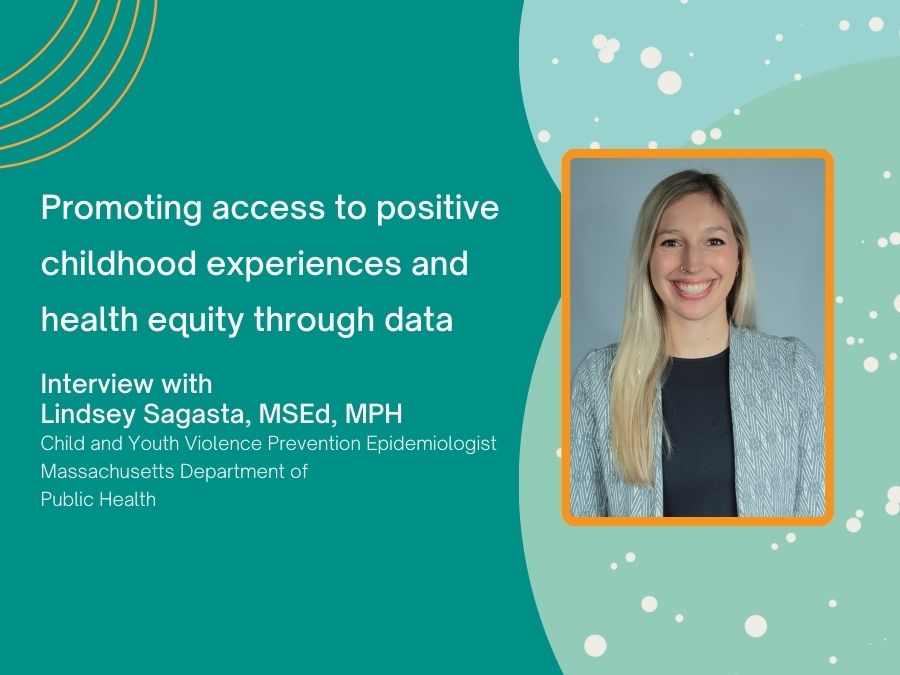
Data presents a picture of childhood experiences and helps inform actions and policy decisions that improve child health and well-being.
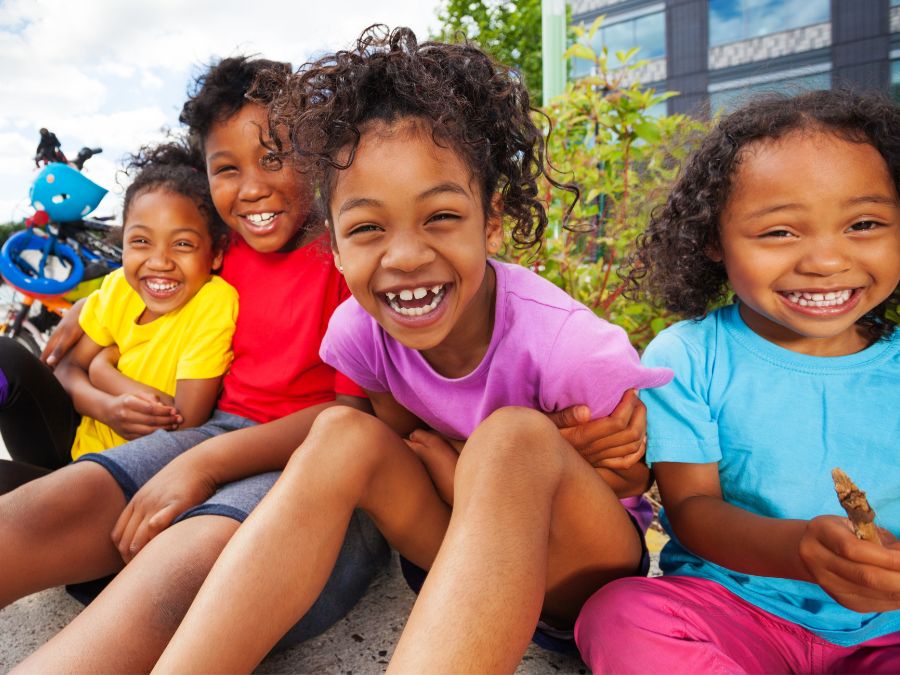
We created a list of fun tips and suggestions that connect to one or more of the Four Building Blocks of HOPE.
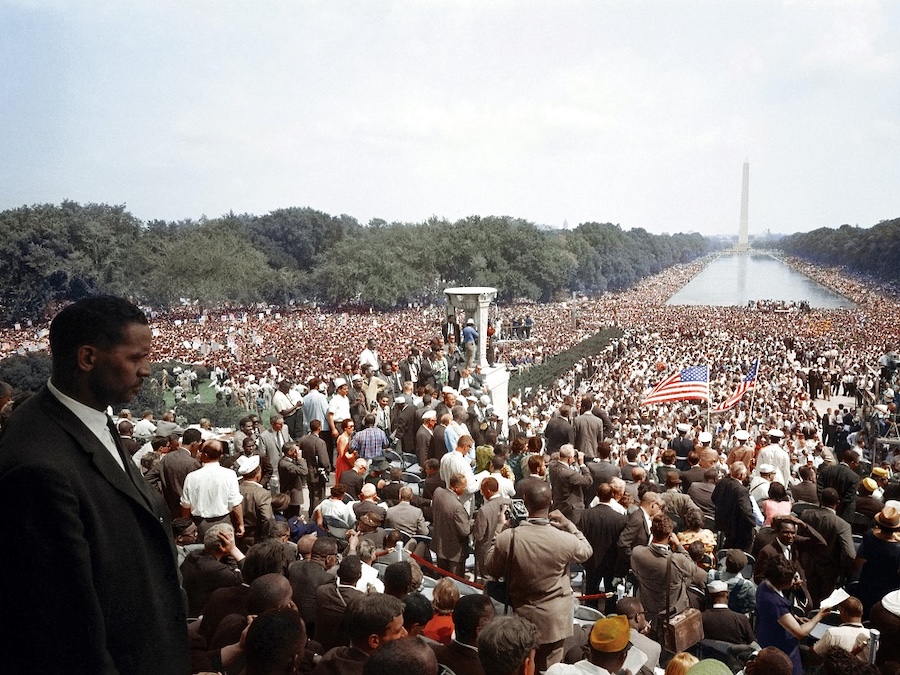
Juneteenth is a day of celebration and a call to continue our anti-racist work into both our professional and personal lives.

Positive experiences, through closeness and social connection, can affect us beyond childhood providing hope for anyone who feels like it is too late.
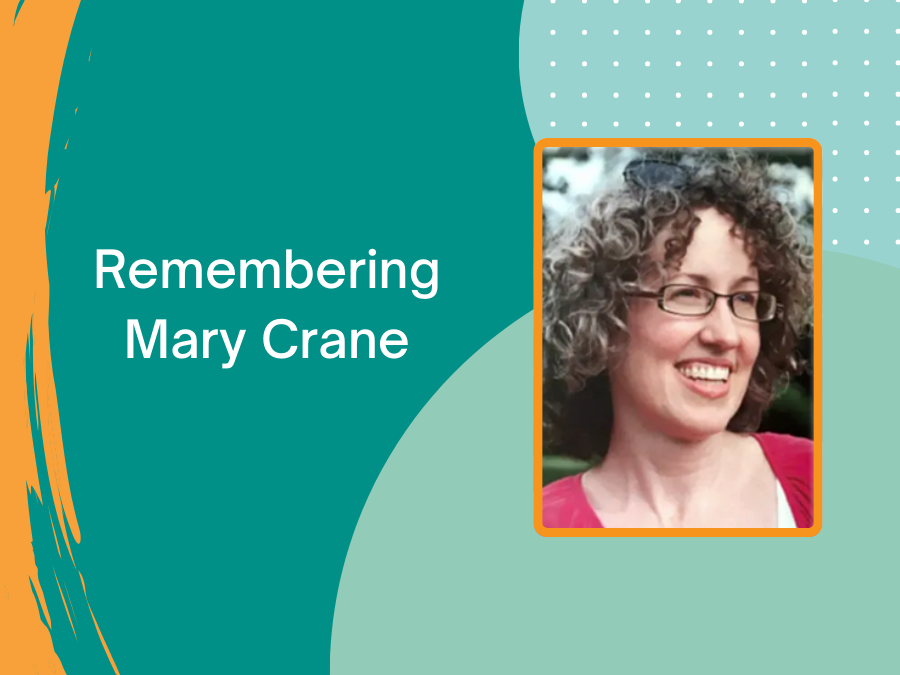
Mary Crane provided wise counsel as a member of the HOPE National Advisory Board and was a wonderful thought partner. We miss her greatly,
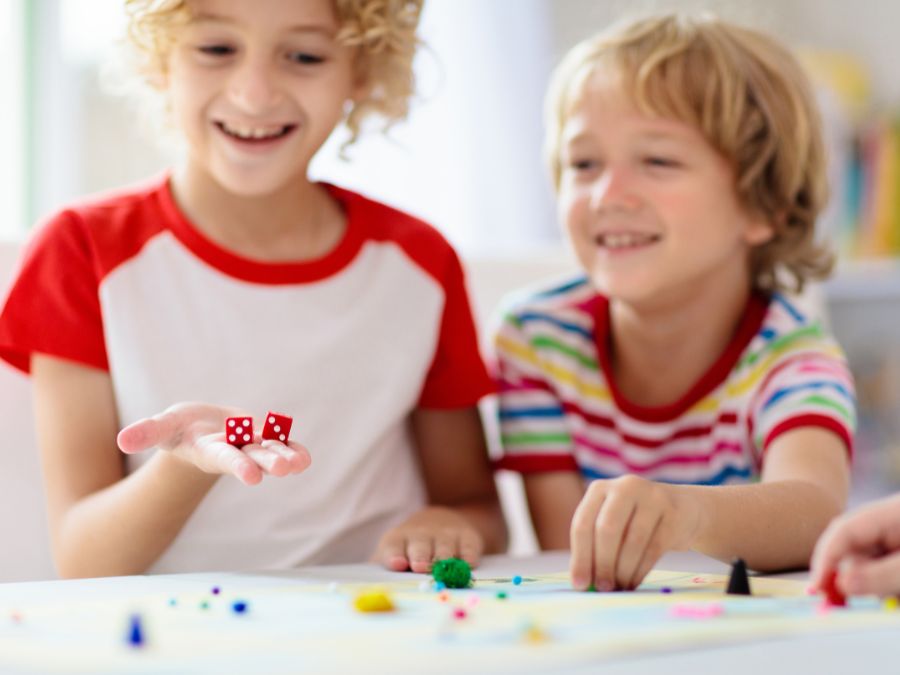
Practicing positive childhood experiences (PCEs) helps children grow into healthy and resilience adults, incorporating them can be as easy as rolling dice!
We are excited to share the event recordings from the 2024 HOPE Summit – The HOPE Transformation, now available for free.