
The New York Times feature: Healing childhood trauma with the HOPE framework
The NYT published an article on the HOPE framework and the protective factors of positive childhood experiences.

The NYT published an article on the HOPE framework and the protective factors of positive childhood experiences.

To effectively implement the HOPE framework it is important for organizational leaders to practice the framework as well.
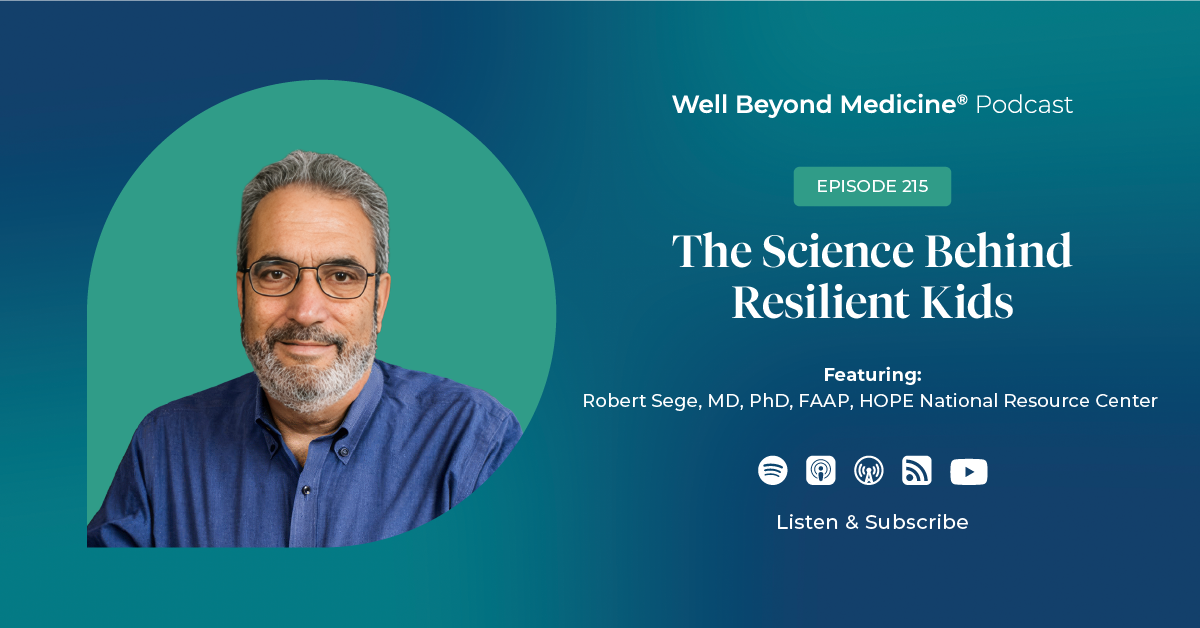
Robert Sege, MD, PhD was a featured guest on the History. Culture. Trauma podcast speaking about mental health in this country.

When going through the first steps towards HOPE implementation, knowing what resources you can use is the key to success.

HOPE Champions Aisha Pope and Kristen Corcum use staff trainings and surveys to create positive changes at the San Diego Center for Children.

Start creating opportunities for positive childhood experiences as early as the last weeks of summer to the first few days of school and beyond.

Learn how leaders of Tufts Developmental and Behavioral Pediatrics used the HOPE framework to promote Positive Childhood Experiences.

We created a list of fun summer tips and suggestions that connect to one or more of the Four Building Blocks of HOPE.
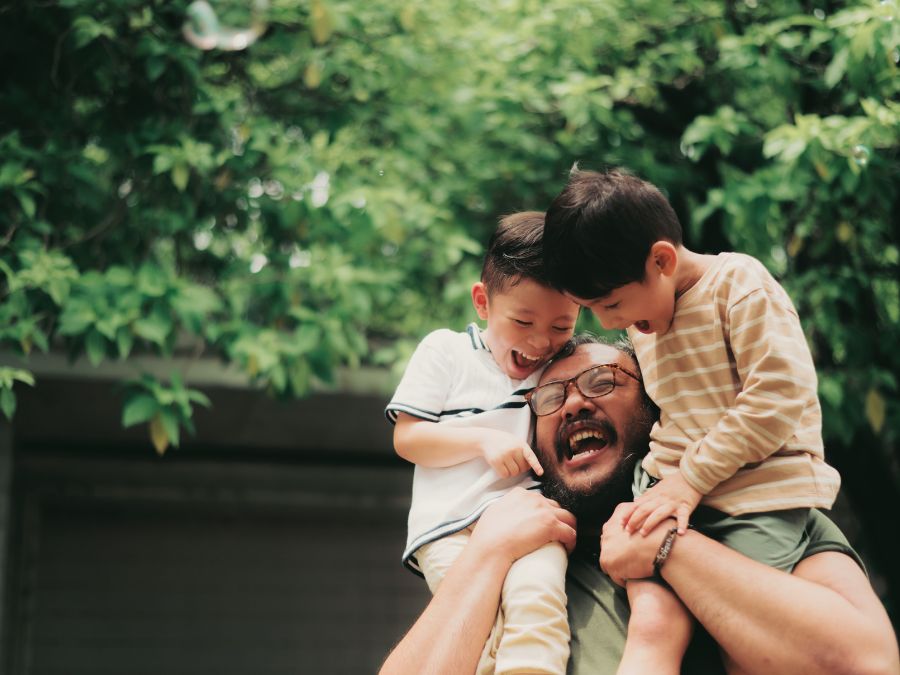
HOPE Champion Rebecca Armentrout promotes the HOPE framework through her work at Nebula Childcare Collaborative.

Organizations implementing the HOPE framework or are ready to begin doing so are encouraged to apply for the 2025 HIN Project.
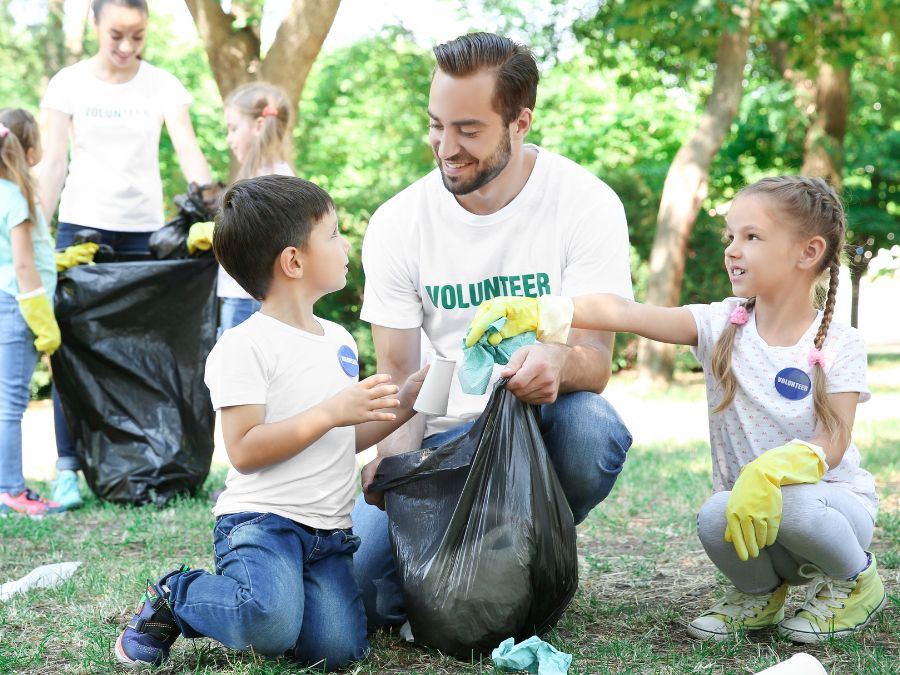
Social and civic engagement gets children involved in something bigger than themselves, instilling a sense of mattering, belonging, and importance.