Free and low-cost ways to practice positive childhood experiences this summer
We created a list of fun tips and suggestions that connect to one or more of the Four Building Blocks of HOPE.

We created a list of fun tips and suggestions that connect to one or more of the Four Building Blocks of HOPE.

Healthy Outcomes from Positive Experiences continues to grow as we offer workshops, seminars, and keynote presentations throughout the country.
Current organizational practices and policies could be creating barriers to meaningful family and community feedback.
Environmental justice is a key movement to increasing access to positive childhood experiences through the Environment Building Block of HOPE.
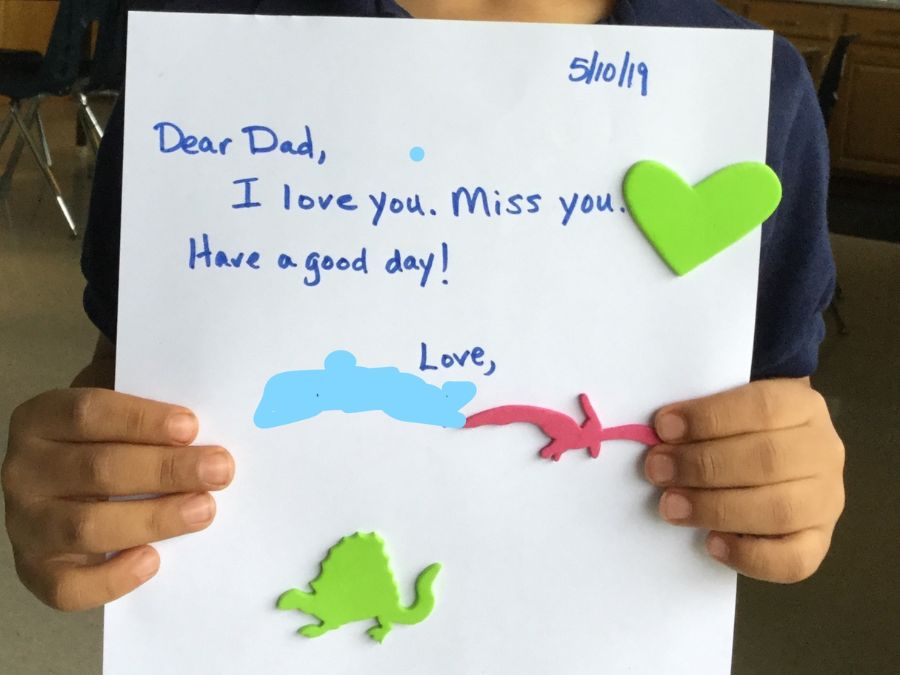
This fact sheet offers practical strategies on how to access the Four Building Blocks of HOPE and PCEs for families impacted by incarceration.
We are less than a week away from the Fourth Annual HOPE Summit – The HOPE Transformation and the Week of HOPE!
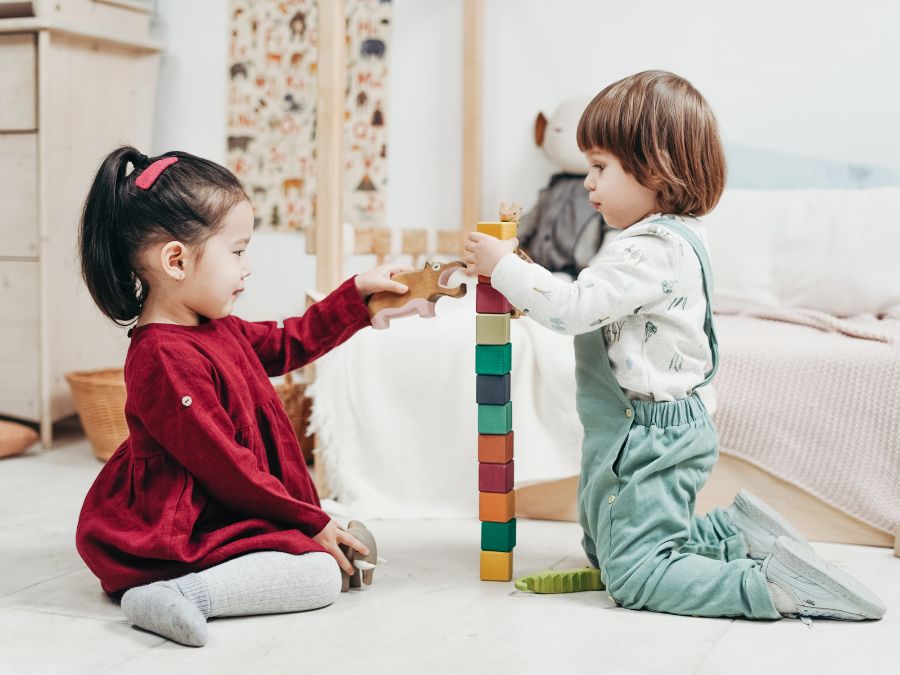
HOPE is an impactful framework that can be used on its own and alongside other models like strength-based and trauma-informed care approaches.
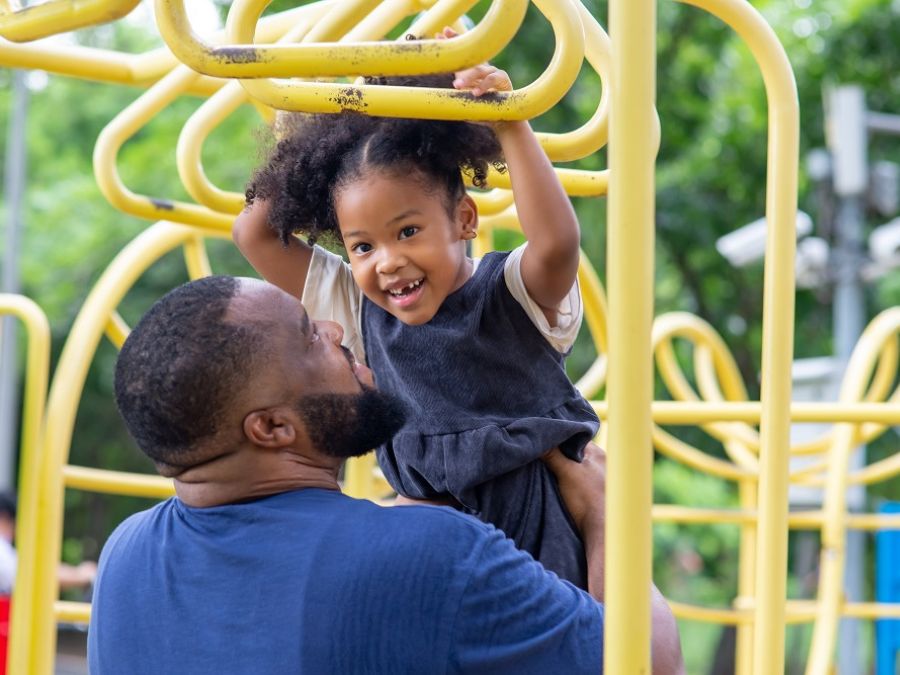
The HOPE framework encourages professionals to seek out strengths and note the resiliency in families who are often faced with racism.
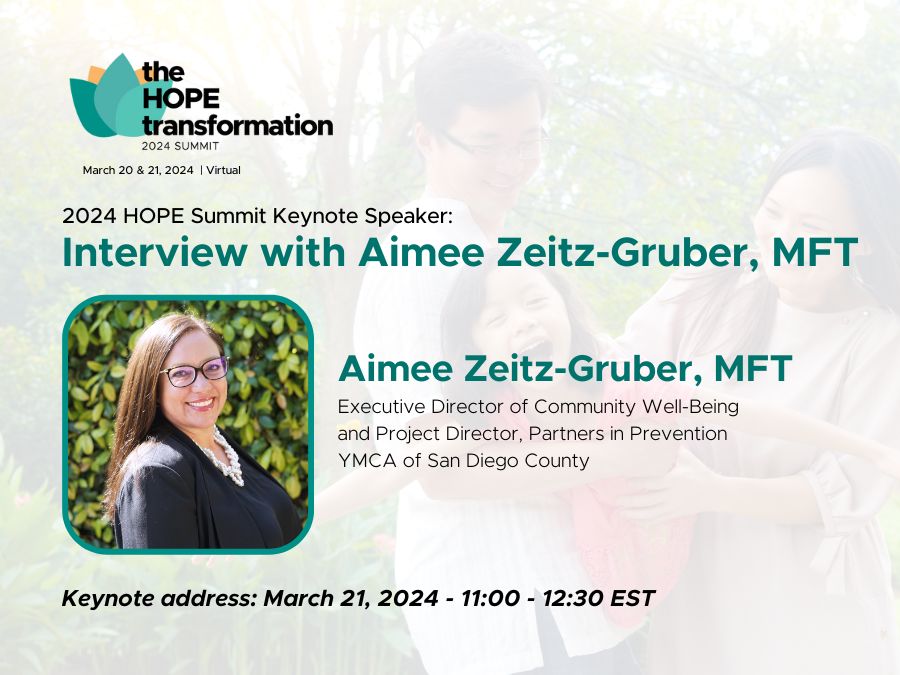
Aimee Zeitz-Gruber discusses the importance of incorporating positive childhood experiences into multiple areas of YMCA San Diego.

It has been a year full of strong partnerships, and a growing community, learn how HOPE has spread this year through partnership and collaboration.