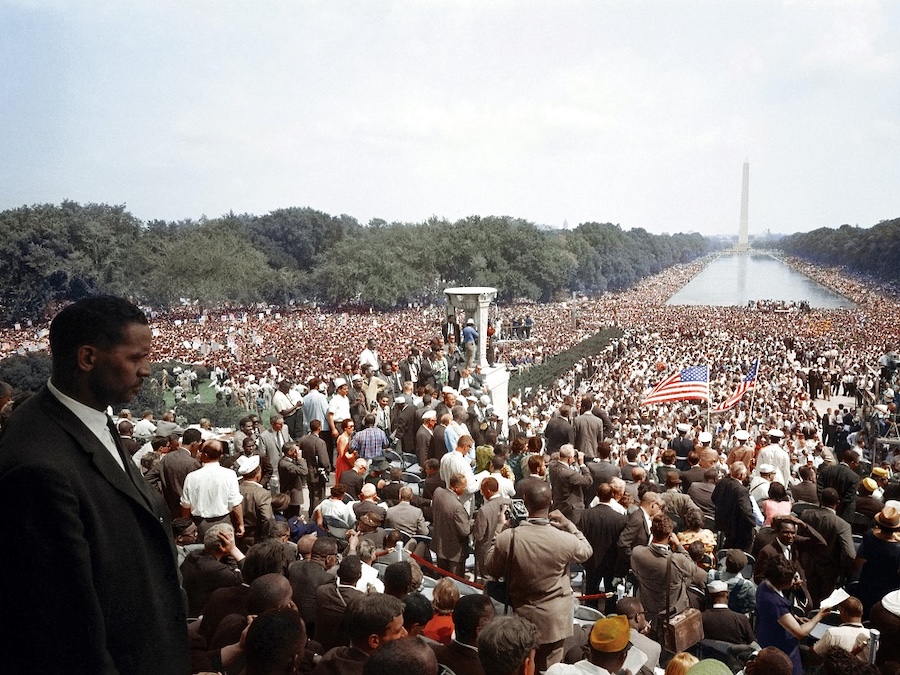
The day slavery ended in America
On June 19, 1865, word finally reached slaves in Galveston, Texas that President Lincoln issued the Emancipation Proclamation in 1863, outlawing slavery in the United States. This day became known as Juneteenth. In 2021, 156 years later, the nation celebrated Juneteenth for the first time as a Federal holiday. While we have celebrated the Fourth of July as our day of independence from the British Empire since 1776, Juneteenth celebrates the independence of all of our people in the United States.
The Grandmother of Juneteenth
Juneteenth became a federal holiday largely through the activism of Opal Lee, an elementary school teacher, principal, and then a school counselor. Following her retirement, Lee focused her activism on making June 19th a holiday. She collected over a million and a half signatures on a petition to establish the holiday. Amazingly, at age 89, she walked from her home in Fort Worth to Washington DC, and then attended the bill signing at age 94! There are many children’s books about her, including the bestseller, Opal Lee and What It Means to Be Free: The True Story of the Grandmother of Juneteenth.
Celebrating Juneteenth in your community
Think about how you can engage with your community on Juneteenth. There are parades and festivals across the country, from Houston to Baltimore. I first learned about Juneteenth years ago, when a colleague invited me to join his family celebration. His grandfather was alive at the time and remembered being told stories of slavery and liberation from his grandfather. Hearing these stories, passed down through the generations, reminded me that this was not ancient history, and the scars of enslavement persist.
Although June 19, 1865, was an important day in history, it was both a day of celebration and a call to continue our work against racism. The US Conference of Catholic Bishops put it this way: Juneteenth invites us to confront the painful history and legacy of racism in our country. The institution of slavery, often referred to as America’s “original sin,” continues to cast a long shadow. The consequences of the enslavement of Africans and African Americans are still evident today, particularly through the persistent sin of racism in our systems, communities, and hearts.
Positive childhood experiences through the HOPE framework create safe spaces for all families
The HOPE framework centers on promoting key types of positive childhood experiences (PCEs) that help everyone promote health and well-being for children and families. We group these key PCEs as the Four Building Blocks of HOPE: relationships, environment, engagement, and emotional growth.
The HOPE National Resource Center provides resources, online courses, and technical and training assistance on the HOPE framework and works with professionals and organizations to change their policies and practices to intentionally support children and families, including Black people and other minority groups.
Our resource HOPE as an Anti-racism Framework in Action guides readers through the process of implementing anti-racism through policy and practice change. This includes several case studies that share examples of reviewing the data, engaging communities, and making change.