15 Creative Ideas to Promote Positive Childhood Experiences During the End-of-Year Holidays
End-of-year celebrations—such as Christmas, Hanukkah, New Year’s, or other cultural festivities—can be a meaningful opportunity to create positive experiences for children and adolescents, beyond gifts, specific rituals, or large gatherings. From the Healthy Outcomes from Positive Experiences (HOPE) framework, the invitation is to create spaces for connection, participation, and emotional growth that can be adapted to different cultures, families, and contexts.
Below, we share 15 simple and creative ideas, inspired by the spirit of the holidays, that can be practiced during this season—or at any time of the year—to promote Positive Childhood Experiences (PCEs).
1. A space for wishes and gratitude
This can be in a box, jar, tree, table, or any special corner of the home. The invitation is to write, draw, or say out loud something we feel grateful for and a wish for the new year. This space helps children express emotions, feel heard, and actively participate in a shared ritual.
2. Story circle
Find a quiet moment to share family memories, funny anecdotes, or invented stories. Favorite stories can also be repeated. Telling and listening to stories strengthens relationships, stimulates imagination, and reinforces a sense of belonging.
3. One-on-One special time
Spend 10-15 minutes of focused, uninterrupted time doing an activity chosen by the child. Even brief moments of undivided attention send a powerful message: you are important.
4. All emotions are welcome
Holidays do not always bring joy to everyone. Creating a safe space to talk about how each person feels—and allowing emotions such as sadness, tiredness, or anxiety without minimizing them—helps children and adolescents feel safe and understood.
5. Create (or repeat) a family tradition
This might be a walk, a song, a simple meal, or a special greeting. Family traditions provide continuity, strengthen identity, and create meaningful memories.
6. Hands-on together
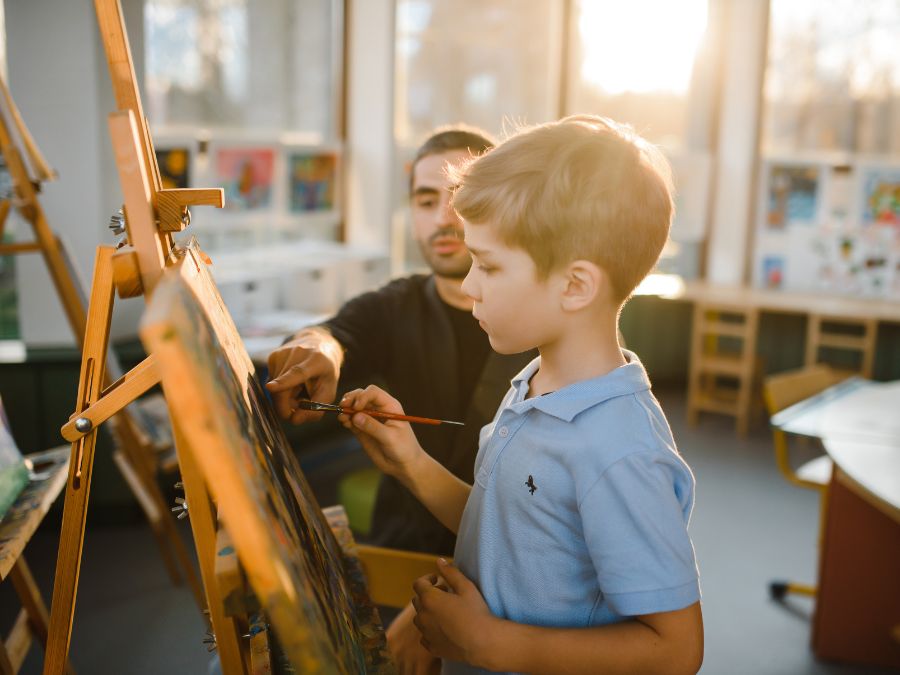
Make crafts, cards, decorations, or gift wrapping using simple or recycled materials. The value lies in the shared time and enjoyment of the process, not the final product.
7. Play and laugh together
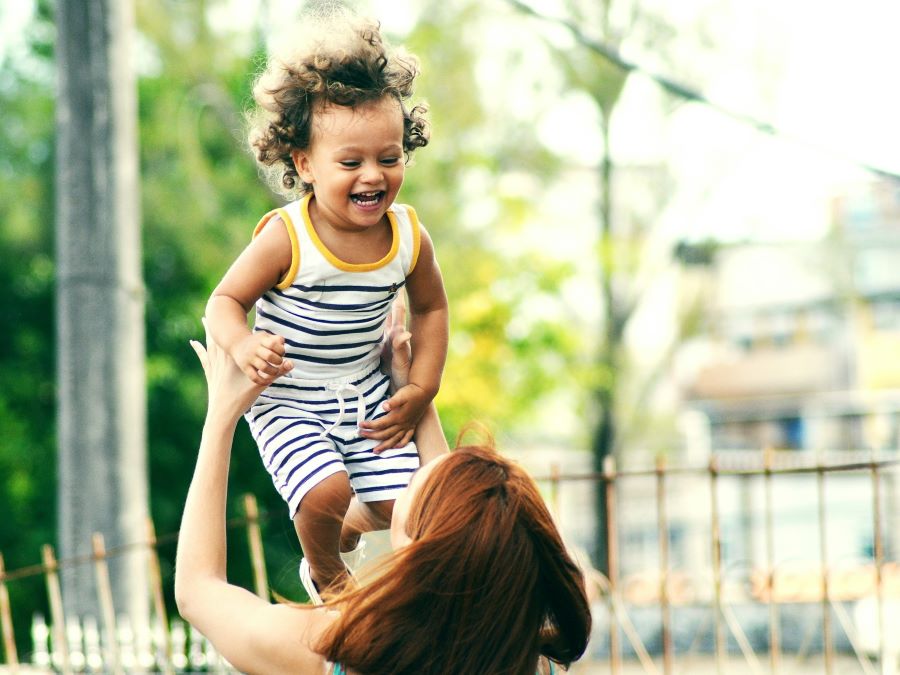
Choose games that encourage cooperation and laughter rather than competition. It is also important to allow space for child-led free play. Playing together builds trust and strengthens bonds.
8. A meaningful walk
Go for a walk around the neighborhood, a park, or a nearby space to notice lights, sounds, or nature. Walking together opens space for conversation and creates moments of quality connection.
9. A calm space
Set up a quiet corner with cushions, books, or soft music—especially helpful during large or noisy gatherings. Having this space supports emotional self-regulation.
10. Cooking together, without pressure
Invite children to help with a simple recipe, without expectations of perfection. Cooking together fosters collaboration and a sense of belonging.
11. A screen-free moment
Agree on a short period without devices to play, talk, or rest together. Reducing screen time can significantly improve the quality of shared attention.
12. Simple acts of kindness
Together, think of simple ways to care for, help, or thank others—such as helping at home, sharing something, writing a card, or sending a kind message. These gestures strengthen empathy and a sense of community.
13. Messages of affection
Write, draw, or record messages for important people, whether they are present or not. The focus is on strengthening meaningful relationships, expressing gratitude, and remembering with affection.
14. Ending the day with connection
Close the day with a hug, a kind word, a song, or a bedtime story. These rituals provide emotional safety and comfort.
15. Closing and looking ahead to a new cycle
Talk together about something learned during the year and something hoped for in the year ahead. Questions such as “What would you like to carry with you into the new year?” or “What would you like us to keep doing together?” invite reflection and meaningful dialogue.
Creating PCEs does not require perfect celebrations or extensive resources. Often, presence, affection, creativity, and intention are enough to create experiences that children remember as meaningful and full of care, beyond any specific date or celebration.
From the HOPE framework, we invite families and communities to view end-of-year festivities as an opportunity to cultivate positive experiences that support children throughout their lives, recognizing and honoring the many ways of celebrating and being together. Every family is different and has its own traditions; what matters most is finding activities that make sense for you and that support care, connection, and collective well-being.
This article is part of a series of publications dedicated to creating content in Spanish about the HOPE framework and different ways to expand access to Positive Childhood Experiences across diverse cultures. Through this series, we aim to broaden access to these resources for Spanish-speaking audiences and to contribute to strengthening a global movement that promotes positive childhood experiences—in any language.
Las celebraciones de fin de año — como Navidad, Hanukkah, Año Nuevo u otras festividades culturales — pueden ser una excelente oportunidad para crear experiencias significativas para niños, niñas y adolescentes, más allá de los regalos, los rituales específicos o las grandes reuniones. Desde el marco Healthy Outcomes from Positive Experiences (HOPE), la invitación es a generar espacios de conexión, participación y crecimiento emocional, adaptables a distintas culturas, familias y contextos.
A continuación, compartimos 15 ideas simples y creativas, inspiradas en el espíritu de las fiestas, que pueden realizarse en estas fechas —o en cualquier momento del año— para promover Experiencias Positivas de la Infancia (PCEs, por sus siglas en inglés).
1. Rincón de los deseos y la gratitud
Puede ser en una caja, un frasco, un árbol, una mesa o cualquier rincón especial de la casa. La invitación es escribir, dibujar o decir en voz alta algo por lo que nos sentimos agradecidos y un deseo para el nuevo año. Este espacio ayuda a niños y niñas a expresar emociones, sentirse escuchados y participar activamente en un ritual compartido.
2. Círculo de historias
Buscar un momento tranquilo para compartir recuerdos familiares, anécdotas divertidas o cuentos inventados. También se pueden repetir historias que ya conocen y disfrutan. Contar y escuchar historias fortalece los vínculos, estimula la imaginación y refuerza el sentido de pertenencia.
3. Tiempo especial uno a uno
Dedicar entre 10 y 15 minutos de atención plena a una actividad elegida por el niño o la niña, sin interrupciones. Aunque sea breve, este tiempo exclusivo transmite un mensaje claro: eres importante.
4. Todas las emociones son bienvenidas
Las fiestas no siempre generan alegría en todas las personas. Abrir espacios para hablar de cómo se siente cada uno y permitir la expresión de emociones como tristeza, cansancio o ansiedad —sin minimizarlas— ayuda a que niños, niñas y adolescentes se sientan seguros y comprendidos.
5. Crear (o repetir) una tradición propia
Puede ser una caminata, una canción, una comida sencilla o un saludo especial. Las tradiciones propias entregan continuidad, fortalecen la identidad familiar y crean recuerdos significativos.
6. Manos a la obra
Realizar manualidades, crear tarjetas, adornos o envoltorios hechos a mano con materiales simples o reciclados. El valor está en el tiempo compartido y en disfrutar el proceso juntos.
7. Jugar y reír juntos
Elegir juegos que inviten a colaborar y reír, más que a competir. También es importante dejar espacio para el juego libre, dirigido por el niño o la niña. Jugar juntos fortalece los vínculos y la confianza.
8. Paseo con sentido
Salir a caminar por el barrio, una plaza o un espacio cercano para observar luces, sonidos o la naturaleza. Caminar juntos abre espacios de conversación y crea momentos de calidad.
9. Espacio de calma
Preparar un rincón tranquilo con cojines, libros o música suave, especialmente útil en reuniones grandes o ruidosas. Contar con este espacio facilita la autorregulación emocional.
10. Cocinar juntos, sin presiones
Invitar a niños y niñas a participar en una preparación sencilla, sin expectativas de resultado ni perfección. Cocinar juntos fomenta la colaboración y el sentido de pertenencia.
11. Momento sin pantallas
Acordar un momento breve sin dispositivos para jugar, conversar o descansar juntos. Reducir el uso de pantallas mejora la calidad de la atención compartida.
12. Gestos de cuidado hacia otras personas
Pensar en conjunto formas sencillas de cuidar, ayudar o agradecer a otros: colaborar en casa, compartir algo, escribir una tarjeta o enviar un mensaje amable. Estos gestos fortalecen la empatía y el sentido de comunidad.
13. Mensajes de cariño
Escribir, dibujar o grabar mensajes para personas importantes, estén presentes o no. El foco está en reforzar los vínculos significativos, agradecer y recordar con cariño.
14. Cerrar el día con conexión
Terminar la jornada con un abrazo, una palabra amable, una canción o un cuento antes de dormir. Los rituales aportan seguridad y contención emocional.
15. Ritual de cierre y proyección del nuevo ciclo
Conversar sobre algo que aprendimos durante el año y algo que esperamos para el próximo ciclo. Preguntas como ¿qué te gustaría llevar contigo al nuevo año? o ¿qué te gustaría seguir haciendo juntos? abren espacio a la reflexión y al diálogo significativo.
Para crear PCEs no se requieren celebraciones perfectas ni grandes recursos. Muchas veces, la presencia, el afecto, la creatividad y la intención son suficientes para generar experiencias que niños y niñas recuerden como significativas y llenas de sentido, más allá de una fecha o celebración específica.
Desde HOPE, invitamos a mirar las festividades de fin de año como una oportunidad para cultivar experiencias positivas que acompañen a niños y niñas a lo largo de la vida, reconociendo y valorando las múltiples formas de celebrar y de estar juntos. Cada familia es distinta y tiene sus propias tradiciones; lo más importante es encontrar aquellas actividades que tengan sentido para ustedes y que favorezcan el cuidado, la conexión y el bienestar de todas las personas.
Este artículo forma parte de una serie de publicaciones dedicadas a crear contenido en español sobre el marco HOPE y distintas formas de potenciar el acceso a Experiencias Positivas de la Infancia en diversas culturas. A través de estas publicaciones, buscamos ampliar el acceso a estos contenidos para personas hispanohablantes y contribuir al fortalecimiento de un movimiento que promueve experiencias positivas en la infancia, en cualquier idioma.