
The effects of childhood adversity on lifelong health have been known for decades. A study released today shows that positive childhood experiences (PCEs) can dramatically reduce these ill effects.
Largest study to date on PCEs, ACEs, and health outcomes
BOSTON, MA, May 13, 2026 – The HOPE National Resource Center, in collaboration with partners at the Centers for Disease Control and Prevention (CDC), Johns Hopkins University, Boston University, and Prevent Child Abuse America, has published “Positive and Adverse Childhood Experiences and Adult Health and Economic Outcomes” in Pediatrics, the journal of the American Academy of Pediatrics. The authors analyzed population survey data collected from 2015 to 2020 across four states (Kansas, Michigan, South Carolina, and Wisconsin). The report examined the relationship between positive childhood experiences (PCEs) and adverse childhood experiences (ACEs) across the largest number of adult health and well-being outcomes to date. The research team found that the beneficial effects of PCEs are particularly pronounced among individuals who have experienced ACEs.
“Lifelong health and wellbeing begin in childhood,” said Robert Sege, MD, PhD, Director of the Center for Community-Engaged Medicine at Tufts Medical Center and Professor of Medicine and Pediatrics at Tufts University School of Medicine. “These large population surveys demonstrate that children who have experienced adversity benefit greatly from the critical importance of positive childhood experiences.”
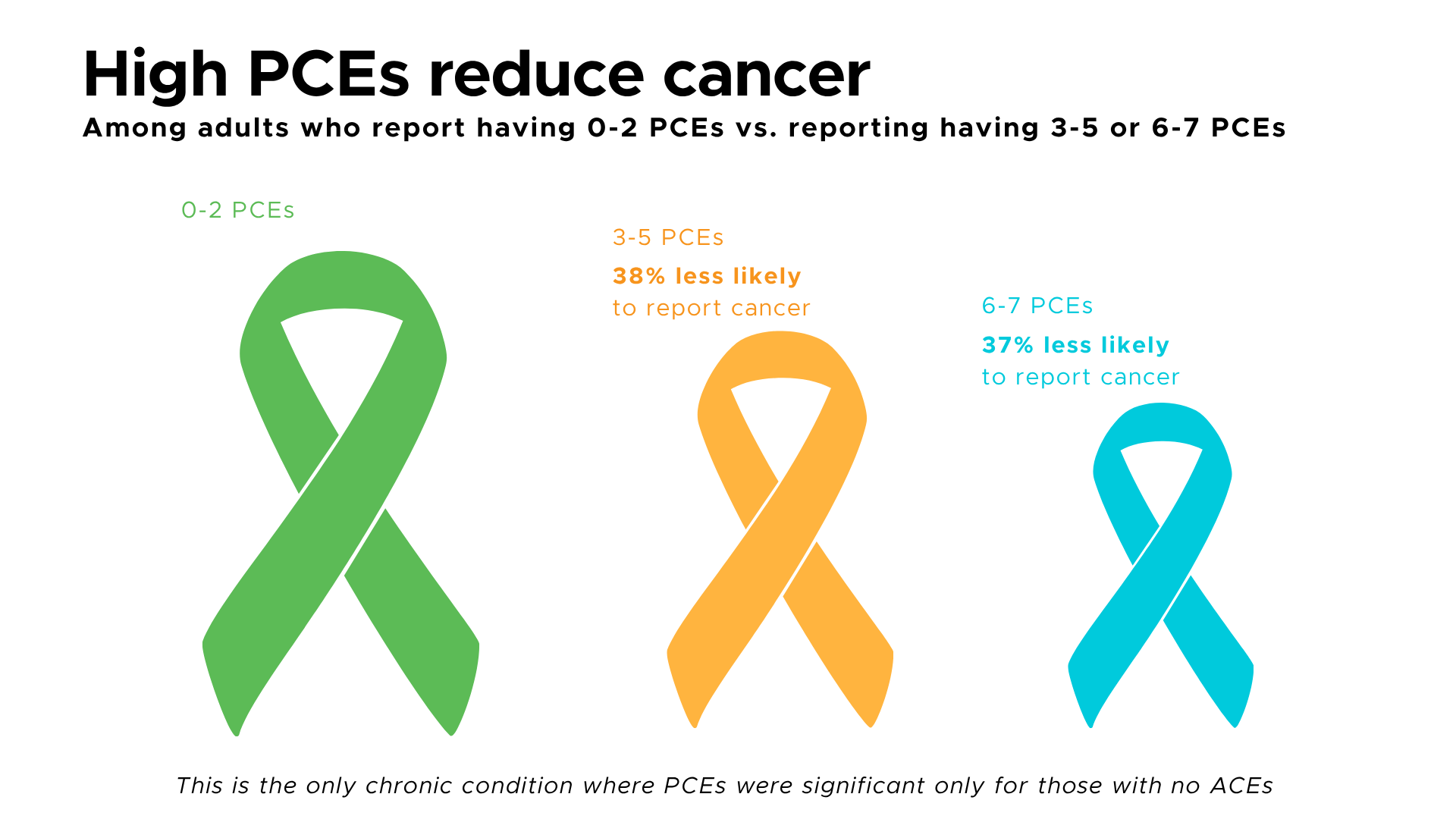
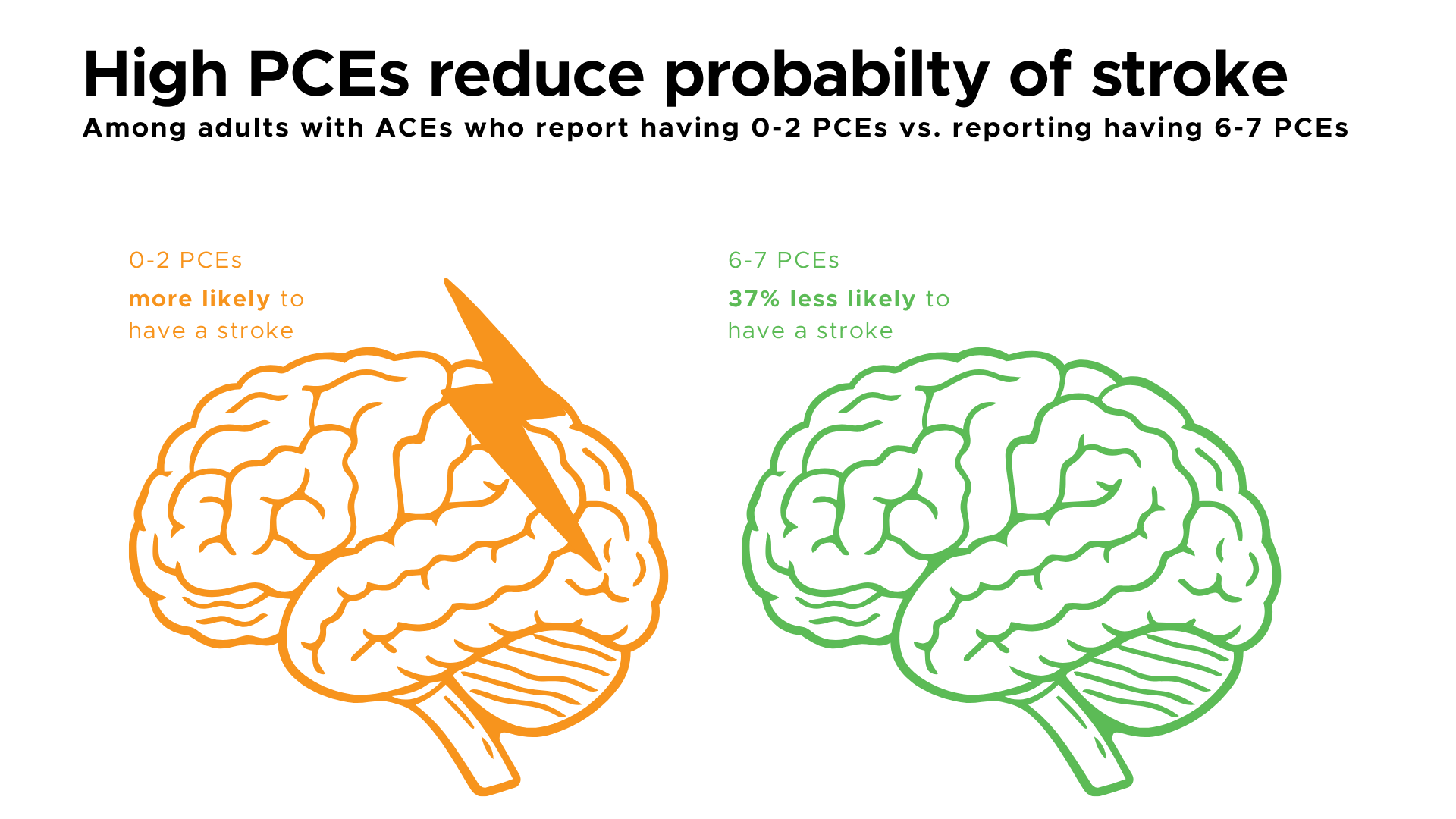
PCEs drive healthy outcomes regardless of past trauma and adversity
The research team evaluated BRFSS Behavioral Risk Factor Surveillance Survey (BRFSS) ) survey responses from 18,773 adults in Kansas, Michigan, South Carolina, and Wisconsin between 2015 and 2020. Together, the sample represents 15.63 million adults. Each participating adult reported on their childhood exposures to PCEs (from 0 to 7) and ACEs (from 0 to 4+), as well as their adult health outcomes.
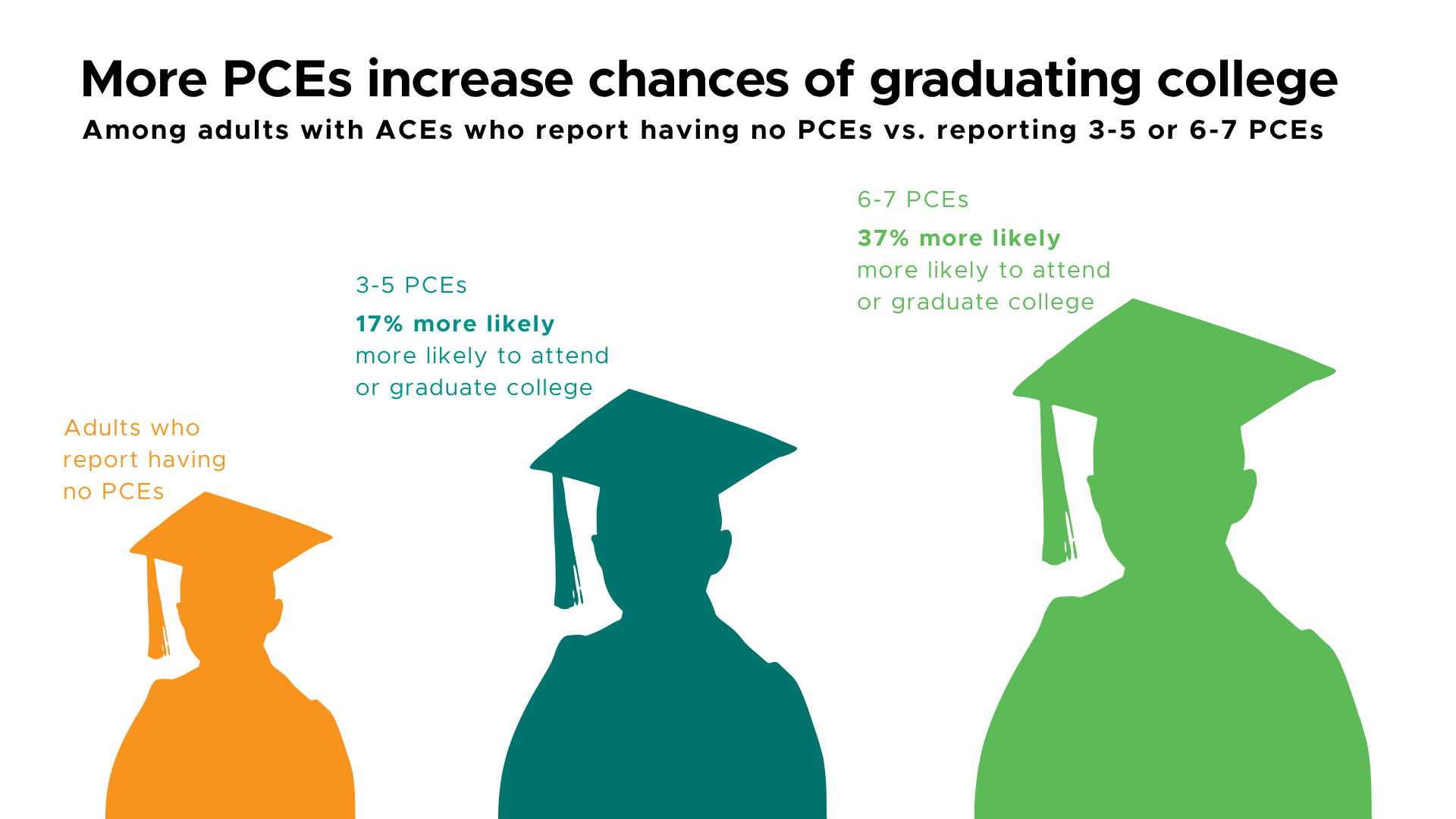
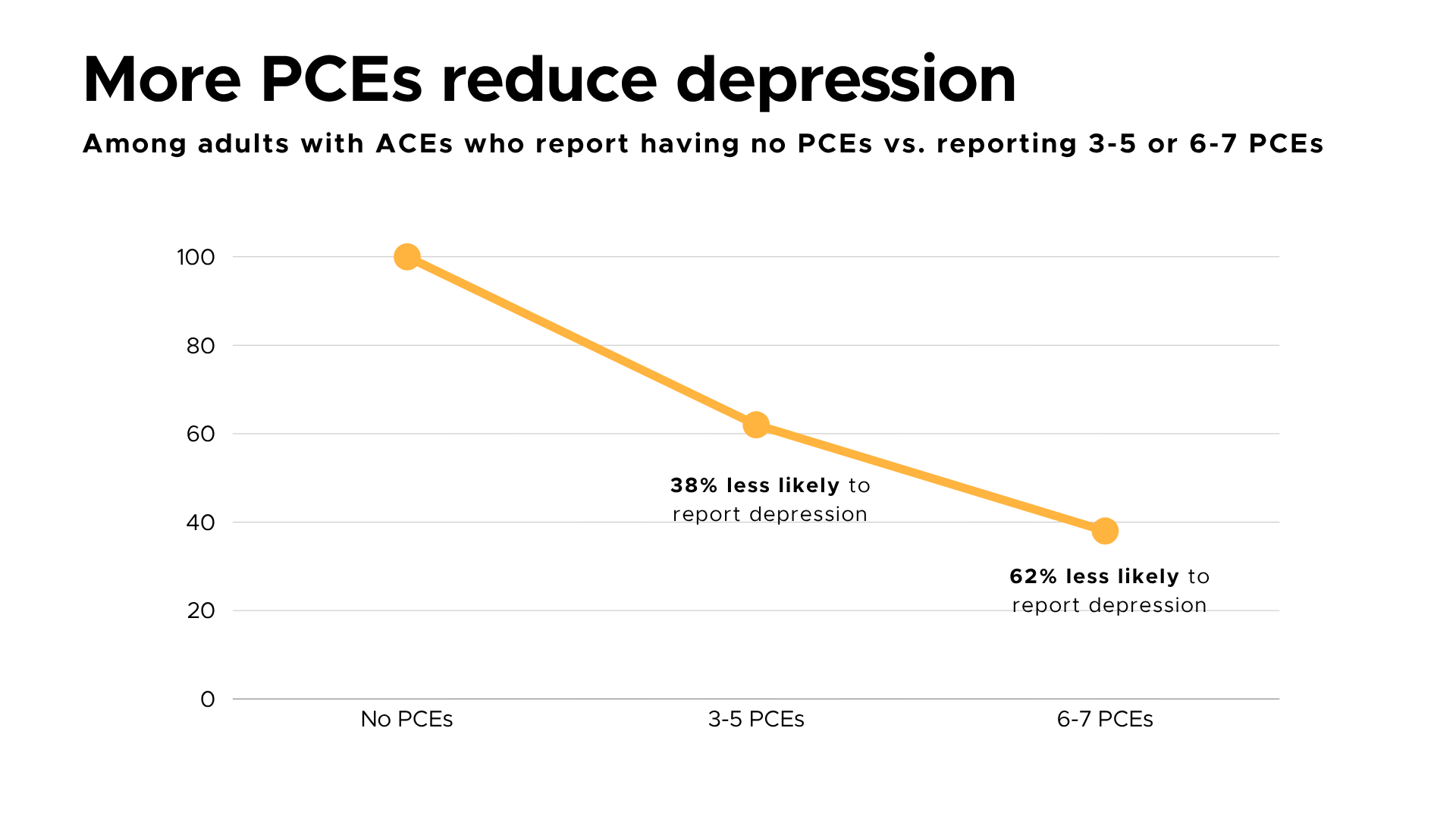
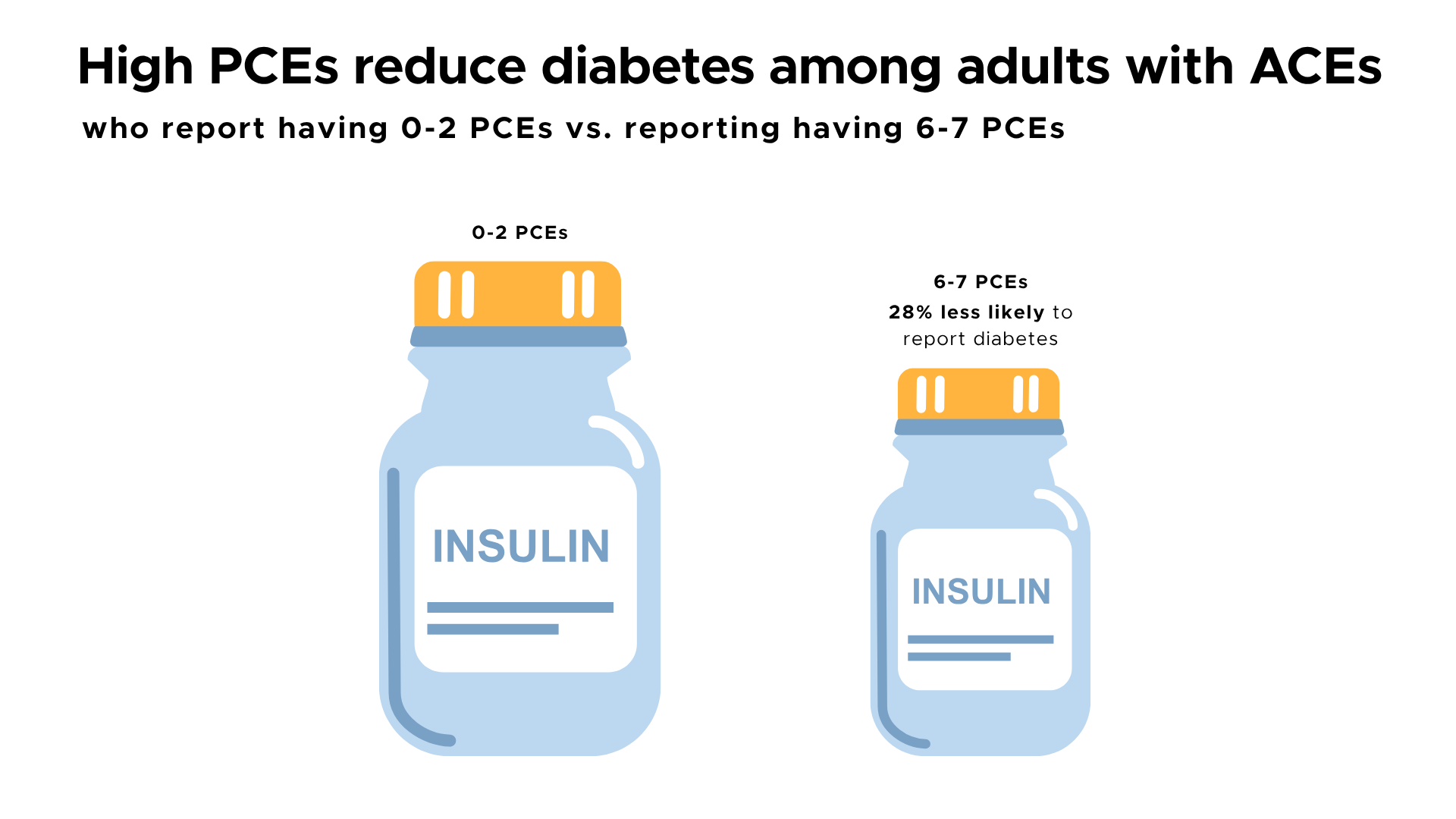
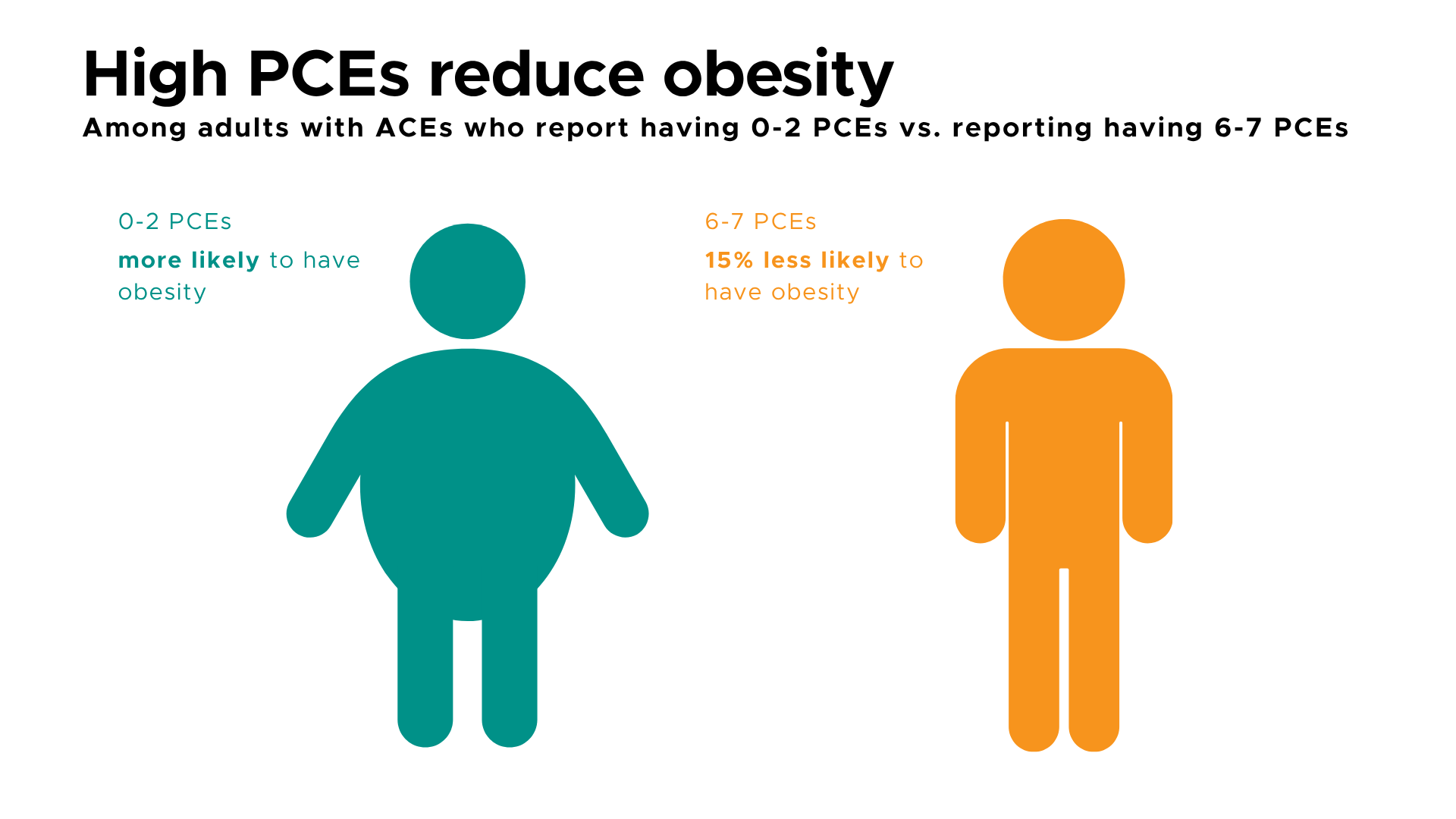
Adults who have high levels (6-7) of PCEs have a higher likelihood of better health and socioeconomic outcomes, regardless of whether they have any levels of ACEs, compared to those with low levels (0-2) of PCEs, including:
- 62% less likely to report depression
- 37% less likely to report cancer
- 37% less likely to have a stroke
- 28% less likely to report diabetes
- 15% less likely to have obesity
- 37% more likely to attend or graduate from college
Why it matters: Shifting the research focus from ACEs to PCEs
Historically, research has been focused on how ACEs influence adult health outcomes and, more recently, how PCEs mitigate negative outcomes due to ACEs. This study, instead, examined the relationship between PCEs and adult health and well-being outcomes, while considering the effects of ACEs. This study reflects an important shift in the framing of the discussion of childhood adversity and well-being.
Implications for public policies and clinical practices that promote PCEs
These results highlight the importance of promoting PCEs in clinical practices and public policy. On the individual level, pediatricians might consider incorporating strength-based practices, like the HOPE – Healthy Outcomes from Positive Experiences – framework, which centers on promoting four key types of PCEs (safe and supportive relationships, safe and stable environments, opportunities for emotional growth, opportunities for engagement), as an important part of their practice with children and families. On the community level, public policies, such as the expanded child tax credit and paid family leave, can help improve lifelong health by promoting access to important PCEs.
About HOPE – Healthy Outcomes from Positive Experiences
Based at Tufts Medical Center in Boston, Massachusetts, the HOPE National Resource Center sees a world that honors and promotes positive experiences as necessary for health and well-being. Research shows that positive childhood experiences (PCEs) drive healthy child development and lessen the lifelong effects of adverse childhood experiences (ACEs). HOPE aims to inspire a movement that changes how people and organizations advance health and well-being for children, families, and communities.
Robert Sege, MD, PHD, FAAP, Director of the Center for Community-Engaged Medicine at Tufts Medical Center and Professor of Medicine and Pediatrics at Tufts University School of Medicine, leads the HOPE National Resource Center.
Inquiries: HOPE@tuftsmedicalcenter.org