
How organizations can create positive internal culture using the HOPE framework
To effectively implement the HOPE framework it is important for organizational leaders to practice the framework as well.

To effectively implement the HOPE framework it is important for organizational leaders to practice the framework as well.

When going through the first steps towards HOPE implementation, knowing what resources you can use is the key to success.

Start creating opportunities for positive childhood experiences as early as the last weeks of summer to the first few days of school and beyond.

We created a list of fun summer tips and suggestions that connect to one or more of the Four Building Blocks of HOPE.
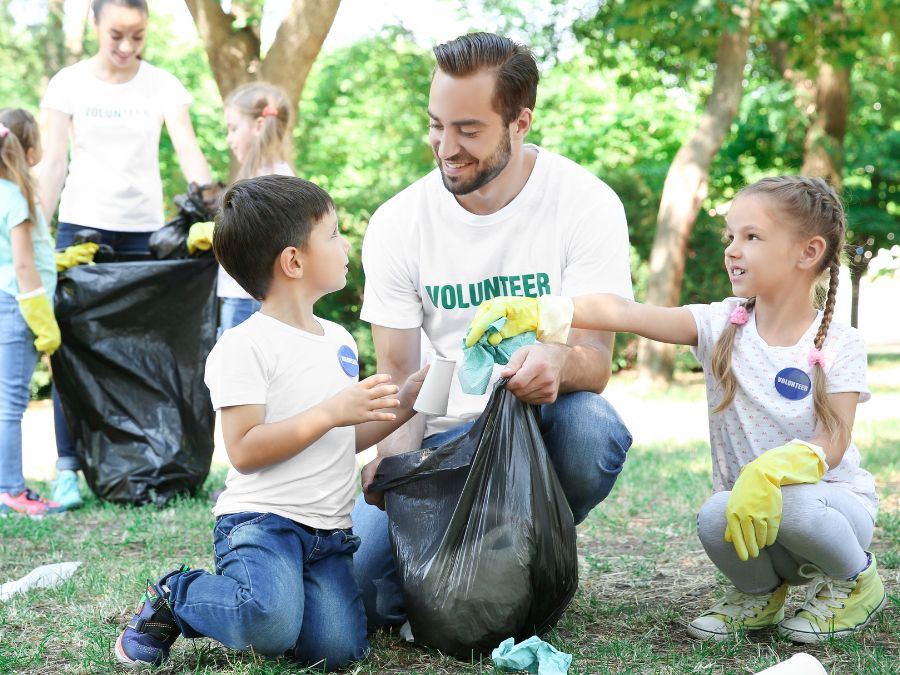
Social and civic engagement gets children involved in something bigger than themselves, instilling a sense of mattering, belonging, and importance.

To promote more positive childhood experiences (PCEs), we need to create safe environments where children can grow into healthy adults.
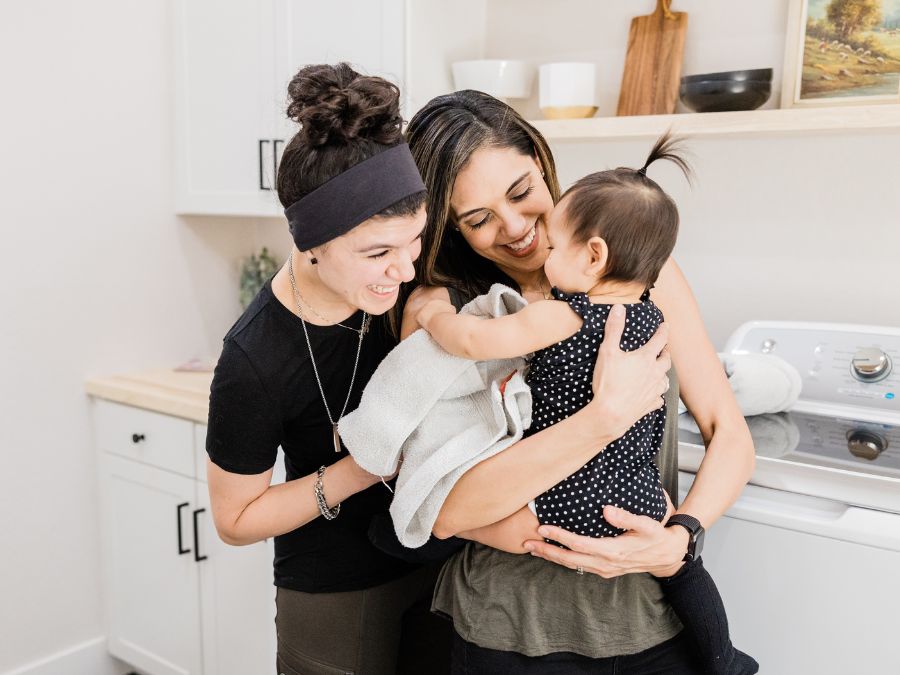
When we shift the conversation to accept, include, and engage with the LGBTQ+ community, we provide a HOPEful place for everyone.
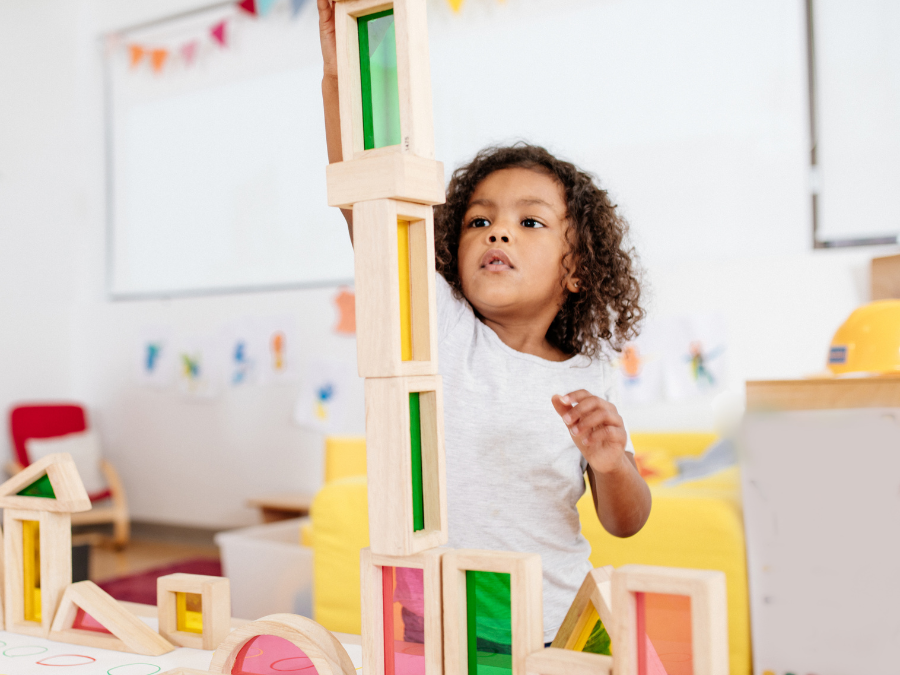
Register today for the 2026 HOPE Summit: Building HOPE That Lasts, join us on May 19th and 20th to spread the HOPE framework.

Safe and nurturing relationships with adults and peers help children increase their resilience and grow into healthy adults.

Learn about the different ways to grow your practice with the HOPE framework through trainings, resources, and online courses.