

2026 HOPE Summit Schedule
Sixth Annual HOPE Summit: Building HOPE That Lasts!
The HOPE Summit returns on May 19th and 20th, 2026! Join us on May 19th for as we explore how to measure what matters and embed HOPE in ways that lead to meaningful, lasting change. Together, we will learn from experts in their fields, who are integrating HOPE into daily practice, identifying the indicators that truly reflect growth and resilience, and strengthening systems to sustain impact over time. If you are ready to go even deeper, join us on May 20th for our advanced workshop sessions, where you will gain expanded tools, practical strategies, and hands-on guidance to further integrate HOPE into your work and create lasting transformation within your organization.
Day 1 | Tuesday, May 19, 2026 | 11:00 AM – 4:30 PM ET
Opening Remarks
Robert Sege, MD, PhD
Director of the HOPE National Resource Center
11:00 AM – 11:30 AM ET
Keynote Address
Nadine Burke Harris, MD, MPH, FAAP
Pediatrician and California’s First Surgeon General
11:30 AM – 12:15 PM ET
Break
12:15 PM – 12:45 PM ET
Panel Discussion
HOPE Innovation Network Participants
12:45 PM – 1:45 PM ET
Workshops | Session 1
2:00 PM – 2:45 PM ET
Workshops | Session 2
3:00 PM – 3:45 PM ET
Day 2 | Wednesday, May 20, 2026 | 11:00 AM – 4:30 PM ET
Advanced Workshops
From Idea to Award: Crafting Fundable Grant Proposals
Dina Burstein, MD, MPH
Project Director, HOPE National Resource Center
11:00 AM – 12:30 PM ET
Evaluating What Works, Why it Works and What’s Next
Amie Myrick, MS, LCPC
Director of Evaluation and Quality Improvement, HOPE National Resource Center
1:00 – 2:30 PM ET
Creating an Internal Culture of HOPE
Amanda Winn, MSW
Director of Training and Technical Assistance, HOPE National Resource Center
3:00 – 4:30 PM ET
Tuesday, May 19, 2026 | 2:00 – 2:45 PM ET
Introduction to Quality Improvement in HOPE-informed Practice
Amie Myrick, MS, LCPC
Make Room in Metrics: Neurodiversity-Affirming MEL for Different Brains
Lana Flores-Jelenjev
Measuring What Matters: Building Shared Indicators for Early Relational Health and Family Flourishing
David W Willis, MD, FAAP, Dr. Nikki Shearman, Dr. Tyson Barker
Tuesday, May 19, 2026 | 3:00 PM – 3:45 PM ET
From Burnout to Belonging: Using HOPE to Support Staff Retention
Flavia Maccio, Veronica Pechumer
From Punishment to Positive Experiences: HOPE-Informed School Policies
Jason A McCoy
You Can’t Do HOPE Alone!
Roger E. Sherman, Ashley Stallings, Jane Zink
We are pleased to offer up to 8.75 continuing education credits for the 2026 HOPE Summit: Building HOPE That Lasts through Boston Children’s Hospital. These credits are included with your summit registration at no additional cost.
Participants may claim credits only for sessions they attend live or view via the event replay. All continuing education credits must be claimed by June 30, 2026 – six weeks of the live event dates (May 19–20).
Keynote Address
Nadine Burke Harris, MD, MPH, FAAP
Tuesday, May 19, 2026 | 11:30 AM – 12:15 PM ET
About the Speaker
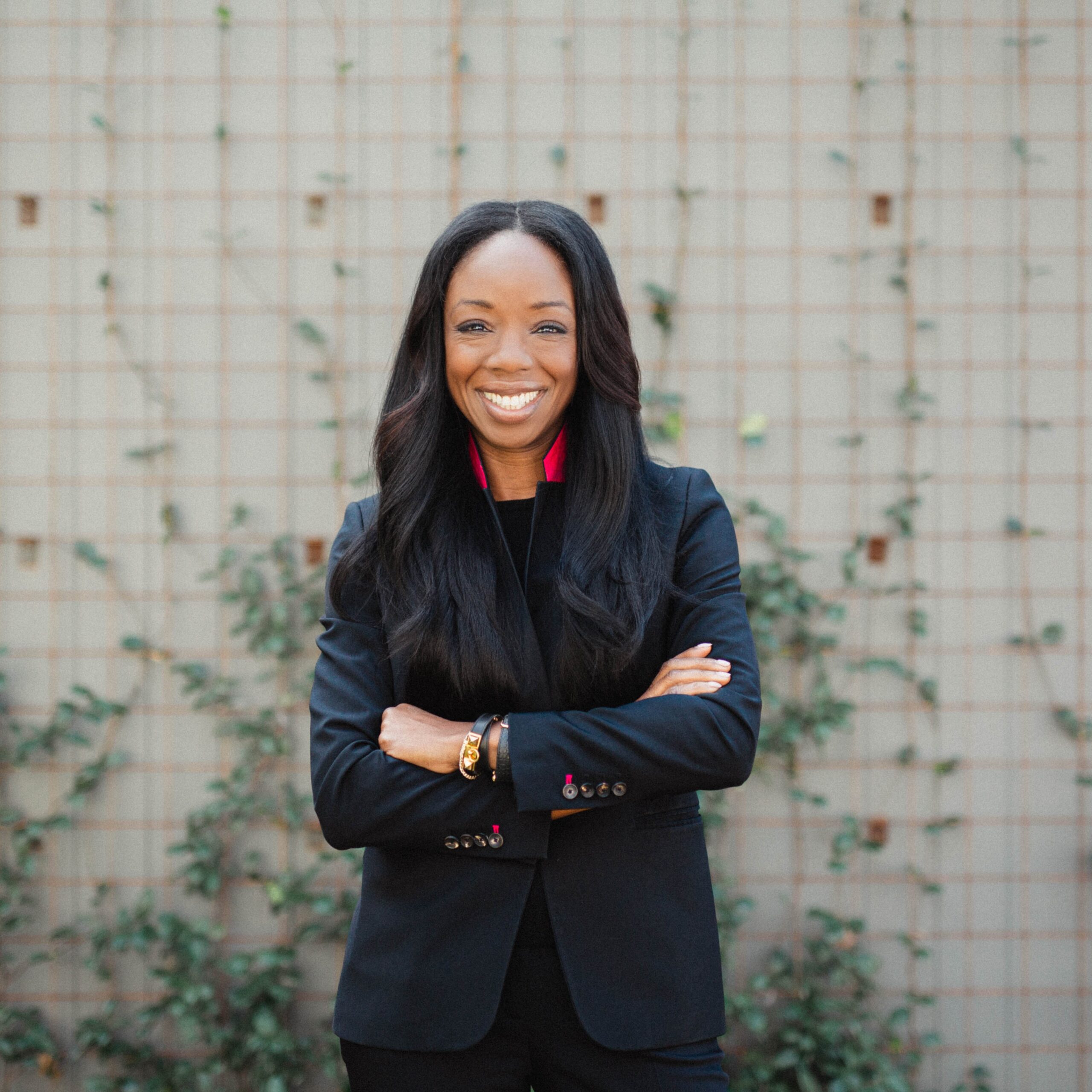
Dr. Nadine Burke Harris is an award-winning physician, researcher, and public health leader who has spent her career on the front lines of some of our world’s most pressing public health challenges.
After completing her MPH at Harvard and residency at Stanford, she founded a clinic in one of San Francisco’s most underserved communities, Bayview Hunters Point. It was there that Burke Harris identified ACEs as a major risk factor affecting the health of her patients and applied research from the CDC and Kaiser Permanente to develop a novel clinical screening protocol.
As California’s inaugural Surgeon General, Dr. Burke Harris successfully launched a first-in-the-nation statewide effort that has trained more than 45,000 primary care providers on how to screen for Adverse Childhood Experiences (ACEs) and respond with trauma-informed care.
Today, she serves as Chief Impact Officer for ACE Resource Network, a national organization advancing a bold vision to make the prevention, early detection and evidence-based treatment of toxic stress a standard part of healthcare practice in the United States.
Panel Session
HOPE Innovation Network Panel: Evaluating Impact Through the HOPE Framework
Tuesday, May 19, 2026 | 12:45 – 1:45 PM ET
Join us for an engaging and practical discussion featuring members of the HOPE Innovation Network (HIN) as they share their real-world experiences applying the HOPE framework within their organizations. This panel brings together leaders who have intentionally selected specific programs, departments, or initiatives to assess the impact of HOPE-informed approaches in meaningful and measurable ways.
Panelists will describe the projects they chose and the reasoning behind those decisions, outlining how and why particular areas of their organizations were prioritized. They will walk through their implementation and evaluation processes, including how they defined impact, selected measures, and gathered data. Presenters will speak candidly about barriers they encountered, strategies they used to overcome challenges, and the successes that emerged along the way.
The discussion will also explore how organizations are sustaining this work beyond the initial evaluation phase, embedding HOPE principles into ongoing practice and continuous improvement efforts. Participants will leave with practical insights, lessons learned, and inspiration from peers who are advancing HOPE-centered change within complex systems.
About the Panelists
 Shor Denny
HOPE Champion
San Diego State University
Shor Denny is the Founder and CEO of Community Now, a nonprofit dedicated to violence reduction and resiliency for Black and LGBTQ+ communities. She serves as the HOPE Champion for San Diego State University, leading and supporting multiple SDSU–SPI HOPE projects on campus. Inducted into the Grand Canyon University Hall of Fame, Shor holds a Master’s in Psychology and develops trauma-informed wellness initiatives, life coaching, social justice workshops, and community resiliency programs—grounded in HOPE and focused on empowerment, healing, and sustainable change.
Kristen Corkum
Manager of Training and Quality Practice
San Diego Center for Children
Kristen is a Licensed Professional Clinical Counselor (LPCC) and a Nationally Certified, Trauma-Focused Cognitive Behavioral (TF-CBT) therapist with a focus on commercial sexual exploitation of children. Prior to joining the San Diego Center for Children in 2022, Kristen was the Assistant Clinical Director at an intensive, residential treatment facility offering individual, family, and group therapies to youth and providing supervision and training to residential staff. She also served as a Clinical Supervisor and Trauma Studies Professor at Boston University School of Medicine for graduate medical students. In April 2020, Kristen was a guest speaker at the Association of Children’s Residential Centers (ACRC) 64th National Conference co-facilitating presentations on recognizing and preventing the exploitation of youth in congregate care; highlighting the underrepresented needs and strengths of youth in residential systems and enhancing how families are supported.
As the Manager of Training and Quality Practice at the San Diego Center for Children, Kristen oversees the Residential and Academy Training Department’s onboarding and ongoing trainings required to safely provide trauma informed, family centered, hope-driven care. Kristen is a certified Healthy Outcomes from Positive Experiences (H.O.P.E) Champion. She believes that compassion, trust, and collaboration in treatment are essential components to healing and reminding youth that their voice and choice matters.
Aisha Pope
Chief Programs Officer – Community Programs
San Diego Center for Children
Aisha Pope is a Licensed Clinical Social Worker (LCSW) who has worked in San Diego County’s Behavioral Health System of Care since 2000 and at San Diego Center for Children (SDCC) since 2011. She currently serves as the Chief Program Officer of Community Programs at SDCC, where she oversees a range of clinical and community-based operations. In her role, Aisha oversees multidisciplinary teams dedicated to helping families grow their connections, achieve safety, well-being, and permanence, and thrive within their communities.
Aisha is a Certified Healthy Outcomes from Positive Experiences (H.O.P.E.) Champion and Faculty Trainer, a Positive Discipline Lead Trainer, and one of the authors of the Positive Discipline Tools for Kids Social Emotional Learning program. She is also a Rostered Provider in Child Parent Psychotherapy (CPP), and Certified in Trauma Focused Cognitive Behavioral Therapy (TFCBT).
She is deeply committed to social justice and racial equity and is a founding tri-chair of the Birth of Brilliance Annual Conference, which addresses justice, equity, diversity, and inclusion in children’s behavioral health, education, and related systems. Aisha sits on the boards of the Positive Discipline Association and the California Association for Infant Mental Health (CalAIMH).
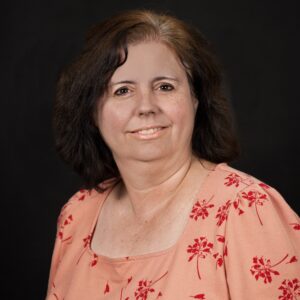
Tamala LaBarge, MS
Lead Family Advocate and Forensic Interviewer
Monongalia County Child Advocacy Center
Ms. LaBarge earned a Bachelor’s degree in Secondary Education and a Masters Degree in Child Development/Family Studies from West Virginia University. She has over 30 years experience working with children and families in many roles such as teacher, child care center director, pre school Sunday school teacher, and mentor/instructor to early childhood educators. She is employed as the lead family advocate/forensic interviewer with the Monongalia County Child Advocacy Center located in Morgantown, WV. She is on the Board of Directors of the West Virginia Association of Young Children where she served as Treasurer for 15 years. She is an instructor for the Apprenticeship for Child Development Specialist through River Valley Child Development Services. This two year program is part of the Department of Labor that allows for early childhood teachers and staff in childcare settings to increase their knowledge of child development and best practices in the classroom to support young people’s growth and development.
Introduction to Quality Improvement in HOPE-informed Practice
About the Workshop
Join us to explore how organizations can use a Quality Improvement (QI) approach to evaluate HOPE implementation in meaningful and manageable ways. While the long-term benefits of Positive Childhood Experiences (PCEs) are well established, many organizations are asking a more immediate question: How do we measure the impact of HOPE implementation right now?
Workshop Session
Tuesday, May 19, 2026 | 2:00 PM – 2:45 PM ET
About the Presenter
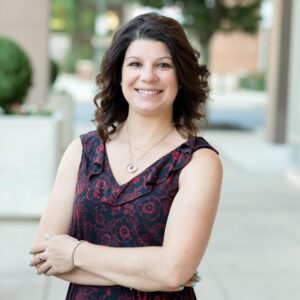
Amie Myrick is a Maryland-licensed clinical professional counselor, Board-approved supervisor, and experienced leader with over 15 years of experience in project management, trauma-informed care, and research design. Her “why” is to create a compassionate world where all can feel seen.
Amie is the Director of Evaluation and Quality Improvement at the HOPE National Resource Center, where she develops and implements evaluation strategies to measure the impact of the HOPE framework at the system, provider, and family levels.
For many years, Amie has led initiatives across the country to build workforce and community capacity, improve trauma-informed approaches, and promote resilience. She has unique training in facilitation practices, implementation science, and change management and is skilled at fostering collaboration and translating research into action. In addition, Amie has co-authored over 30 peer-reviewed articles and several books on the impact of trauma-related interventions, cross-sectional approaches to adversity and resilience, and advocacy.
The HOPE framework aligns deeply with Amie’s passion for focusing on people’s strengths rather than their challenges. The profound connection between positive childhood experiences and well-being resonates deeply with her. This inspired her to become a HOPE Facilitator in 2022 and later, Maryland’s first HOPE Champion.
Outside of her professional life, Amie is a proud mom, a curious traveler who enjoys exploring new places and cultures, and an avid Orioles baseball fan.
Make Room in Metrics: Neurodiversity-Affirming MEL for Different Brains
About the Workshop
Monitoring and evaluation shape what we notice, reward, and repeat. In traditional Measurement, Evaluation, and Learning (MEL) activities we can unintentionally accept neurotypical communication, compliance, and “looking regulated,” while missing what thriving actually feels like for differently wired brains. In this interactive 45-minute workshop, we’ll explore what neurodiversity means, what “neurodiversity-affirming” looks like in MEL and how to apply simple, practical principles to measure HOPE outcomes in ways that are accessible, dignifying, and valid across neurotypes.
Workshop Session
Tuesday, May 19 | 2:00 PM – 2:45 PM ET
About the Presenter
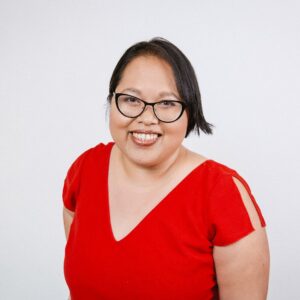
Lana Jelenjev is a healing-centered leadership guide, facilitator, and community alchemist whose work weaves neurodiversity, somatics, trauma-informed care, Filipino Indigenous Psychology, and decolonial futures. She is the founder of Refugia.World and co-founder of the Neurodiversity Foundation, where she supports leaders, educators, and changemakers in creating ecosystems rooted in belonging, relational attunement, and healing.
Her work centers on the belief that when leaders remember their wholeness, they become catalysts for collective repair, restoration, and regenerative social change.
Measuring What Matters: Building Shared Indicators for Early Relational Health and Family Flourishing
About the Workshop
National, state, and local efforts are converging around a shared vision: integrated systems that support early relational health (ERH) and flourishing for all families. This vision rests on three essential elements – “the three-legged stool approach”: child health systems, early childhood systems, and authentic parent partnership working in alignment from birth through age three.
As this work accelerates, a clear need has emerged for validated, meaningful indicators that place-based initiatives can use to track progress at the local level. The field is calling for family-reported measures that work across settings and touchpoints to gauge success and drive continuous improvement in ERH, child flourishing, family well-being, and early childhood systems.
Nurture Connection, in partnership with Reach Out and Read and the Institute for Child Success, is leading a national task force to meet this need—building consensus among systems leaders, researchers, practitioners, and families on a suite of validated, population-level measures. This session will share the initiative’s theory of change and progress, and invite open dialogue with participants.
Workshop Session
Tuesday, May 19, 2026 | 2:00 PM – 2:45 PM ET
About the Presenters
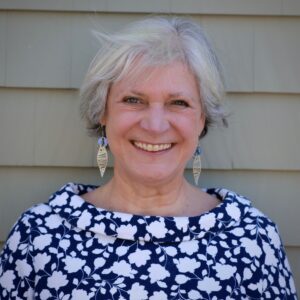
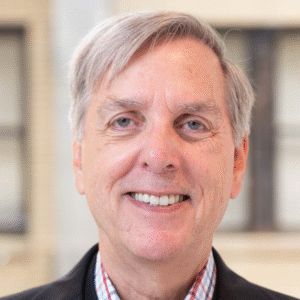 David W Willis, MD, FAAP is Professor of Pediatrics and Psychiatry at Georgetown University, within the new Thrive Center for Children, Families and Communities. There, he leads Nurture Connection, a field catalytic network to advance early relational health at the growing intersection of child health transformation, resilient community building, and co-development partnerships with families. He served a six-year term as the Co-Chair of National Academy of Sciences, Engineering and Medicine’s Forum on Children’s Wellbeing and led the scientific panel that released the NASEM consensus study, Early Relational Health: Building Foundations for Child, Family, and Community Well-Being in 2025. Dr. Willis was previously a Senior Fellow at the Center for the Study of Social Policies in Washington DC, the Inaugural Executive Director of the Perigee Fund of Seattle, WA, the Division Director of Home Visiting and Early Childhood Systems at HRSA during the Obama Administration, and an early brain and child development clinician and leader in Oregon and the American Academy of Pediatrics. He currently lives in Alexandria, VA with his wife in close proximity to his oldest son’s family.
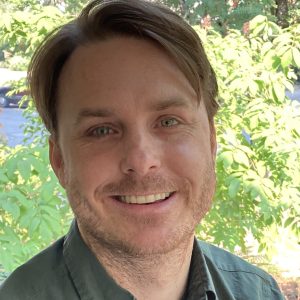
Dr. Nikki Shearman is Chief of Research and Innovation at ROR National and leads the Research and Innovation (R&I) team, working with ROR Network Leadership and with external partners to implement a research strategy and manage scalable innovations that will strengthen and expand national impact. During her tenure at ROR, Dr. Shearman has lead the network-wide integration of a focus on the use of the ROR model to promote ERH, the development of a training platform that provides a range of required and supplementary accredited trainings that ensure the high-quality delivery of ROR, and a collaborative effort with clinicians, parent leaders, researchers and early childhood development experts to develop and lead implementation of a research strategy that will build an evidence base for the importance of the promotion of ERH through pediatric primary care. Dr Shearman received her PhD in immunology from Southampton University, UK.
Dr. Tyson Barker (he/him) is the Chief Science & Innovation Officer at the Institute for Child Success. He directs ICS’s science and innovation strategy by developing innovative tools and strategic initiatives that scale the impact of early childhood programs and policies. He also consults with government, nonprofits, and foundations around measurement and evaluation. Tyson received his PhD in Human Development from the University of Maryland, MA in Special Education and Risk Studies from the University of California, Santa Barbara, and BA in Psychology from the University of California, Davis.
From Burnout to Belonging: Using HOPE to Support Staff Retention
About the Workshop
Early childhood programs are facing ongoing challenges related to staff stress, burnout, and turnover. This session explores how HOPE can be applied to support staff wellbeing, strengthen organizational culture, and improve retention. Participants will learn how HOPE-informed practices were used to create work environments where staff feel valued, supported, and more likely to remain engaged.
Workshop Session
Tuesday, May 19, 2026 | 3:00 – 3:45 PM ET
About the Presenters
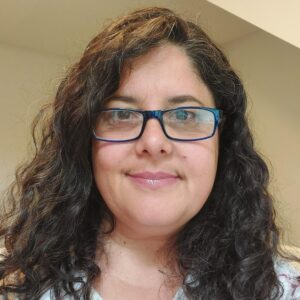
Flavia Maccio is an Early Childhood Implementation Specialist in Oakland County, Michigan, supporting HOPE-informed initiatives across early childhood systems and the workforce to strengthen early childhood practice, family engagement, and organizational culture.
Her experience includes serving as the Coordinator for the Great Start Collaborative Oakland, as well as roles as a Parent Liaison, Help Me Grow Care Coordinator, and Parent Educator with the Parents as Teachers home visiting program. Flavia is a Birth to Three Literacy Essentials trainer, an Alliance Certified Trainer, and a HOPE Facilitator and Champion.
Flavia holds a Master’s degree in International Relations from the Universidad de Belgrano in Buenos Aires, Argentina. As an immigrant, she brings a personal commitment to connection, belonging, and strengths-based approaches that support families and early childhood professionals.
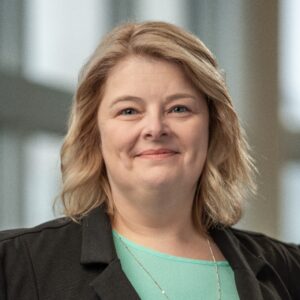
Veronica Pechumer is an Early Childhood Consultant for Oakland Schools with more than 25 years of experience in the early childhood field. Her work includes 10 years as a parent educator supporting families in their homes and over a decade as a system builder strengthening early childhood systems, partnerships, and family engagement efforts. Veronica currently serves as the Help Me Grow Michigan State Lead, supporting family navigation and engagement at both local and statewide levels. She is an Alliance Certified Trainer, a Birth to Three Literacy Essentials Trainer, and a HOPE Champion.
Veronica believes that positive childhood experiences are built through strong relationships, family strengths, and everyday moments of connection and that systems are most effective when they reflect what families know and need.
From Punishment to Positive Experiences: HOPE-Informed School Policies
About the Workshop
Traditional zero-tolerance substance policies often remove students from the very relationships and environments that protect their health. This session explores a practical, replicable model for transforming school substance violation responses through the HOPE framework. Instead of punishment and exclusion, this approach embeds the Four Building Blocks of HOPE—relationships, safe environments, engagement, and emotional growth—into recovery-oriented, student-centered policy design. Participants will examine how disciplinary systems can unintentionally disrupt Positive Childhood Experiences and learn concrete strategies to shift toward compassionate, accountability-based responses that promote resilience. Real-world implementation examples, early lessons learned, and actionable steps will equip attendees to begin reimagining substance violation policies within their own schools and organizations.
Workshop Session
Tuesday, May 19, 2026 | 3:00 – 3:45 PM ET
About the Presenter
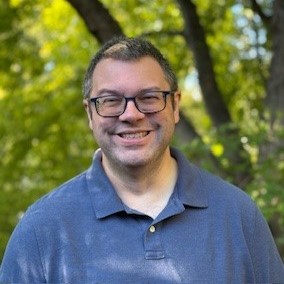
Jason McCoy is the Tobacco Prevention Coordinator for Clay County Public Health in Moorhead, Minnesota, where he has spent more than a decade advancing community-level substance prevention strategies. A graduate of North Dakota State University’s Master of Public Health program, Jason has helped lead the passage of 34 local tobacco and cannabis prevention policies, including retail licensing ordinances and flavor restrictions designed to reduce youth access and exposure.
In addition to policy leadership, Jason has directed Positive Community Norms initiatives within the Dilworth-Glyndon-Felton (DGF) school system, contributing to a reduction in student vaping rates from 24% to 7% over five years. In 2022, he founded Verity Presents, a prevention-focused platform dedicated to educating parents, schools, and communities about the risks of tobacco and cannabis use, with a particular emphasis on youth vaping.
As a certified HOPE (Healthy Outcomes from Positive Experiences) Champion, Jason provides HOPE-informed training and supports organizations in embedding resilience-centered practices that strengthen protective factors for youth and families.
He is currently developing several projects aimed at expanding prevention impact beyond traditional settings, including The Truth About Vaping: What Parents Need to Know to Support Their Teens, a practical guide for families navigating nicotine addiction, and HOOKED: The Truth About Vaping for Teens, a youth-facing companion resource. Through writing, speaking, and systems change work, Jason focuses on equipping communities with evidence-based tools that reduce risk while strengthening hope.
You Can’t Do HOPE Alone!
About the Workshop
We began our HOPE journey in Idaho in 2019. From the beginning we brought in organizations of different stripes so that we could all learn together. Our network of trainers includes people working for child advocacy centers, childcare programs, schools, early childhood programs, juvenile justice and youth programs. We have trainers throughout the state of Idaho from north to south and east to west. We don’t have it all figured out but we will talk about the journey we’ve been on to form a network and what makes HOPE relevant to different groups. In this workshop, participants will understand why HOPE resonates with different types of organizations and understand what it will take to build a diverse network of HOPE trainers and advocates
Workshop Session
Tuesday, May 19, 2026 | 3:00 – 3:45 PM ET
About the Presenters
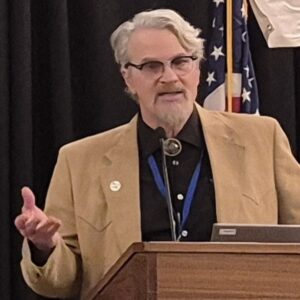
Roger E. Sherman has been the Executive Director at the Idaho Children’s Trust Fund since 2007. The Trust Fund is also the state affiliate of Prevent Child Abuse America. He was fortunate to have had good mentors at the beginning of his time with the Trust who schooled him on ACEs and protective factors. They began using the HOPE work starting in 2018 but have ramped up since the certification process began. Before he started working for the Trust Fund, he worked for a series of statewide and community-based organizations as a community organizer and lobbyist. Outside of this paid gig, he is married and has 3 pretty much grown kids (2 in college and 1 working as a speech pathologist). He is on the board and a volunteer for the Boise Farmers Market and is retiring from the board of the Children’s Trust Fund Alliance after several years.
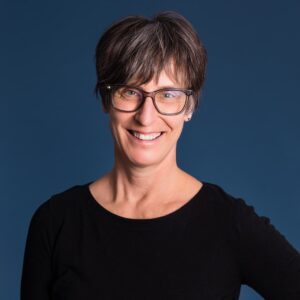
Jane Zink is the Deputy Director of Idaho AEYC. She coordinates the delivery of the Idaho School Readiness Project, funded through the PDG B-5 grant. For over 20 years, Jane has been working in child care systems to strengthen families and enhance outcomes for children by transforming policy, relationships, and technology. She regularly consults with partners across sectors to help them intentionally implement strengths-based frameworks in their everyday interactions with families. Jane is a nationally certified HOPE facilitator and HOPE Champion.
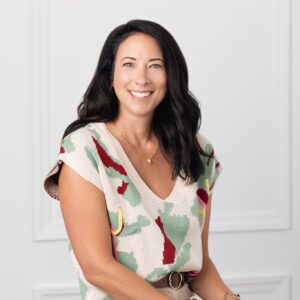
Ashley Stallings is the Co-Founder and Executive Director of the Upper Valley Child Advocacy Center and the voice behind Audibly Ashley. With a Master’s in Child Advocacy and Policy and nearly two decades of experience, she is passionate about helping child survivors of abuse and their families heal, while equipping communities with prevention tools. Through Audibly Ashley, she shares encouragement, training, and leadership insights for helping professionals. Outside of work, Ashley loves exploring Idaho’s outdoors, cheering on the Vols in football, and enjoying life’s simple joys—family time, the beach, diet coke, and chocolate.
Advanced workshops
On Day 2 of the 2026 HOPE Summit, participants are invited to attend optional advanced workshops designed for those ready to deepen their learning and strengthen implementation. These extended sessions will offer focused exploration of three critical areas: Grant Writing, Evaluation, and Creating an Internal Culture of HOPE.
Led by Directors of the HOPE National Resource Center and experts in their respective fields, these workshops will move beyond foundational concepts to provide advanced knowledge, practical tools, and actionable strategies. Participants will engage in hands-on learning and strategic discussion designed to help translate ideas into measurable impact within their own organizations and communities.
These Day 2 workshops require separate registration from the main Summit program on Day 1. Some sessions may include recommended pre-work to ensure participants are prepared for a deeper level of engagement and application.
From Idea to Award: Crafting Fundable Grant Proposals
About the Workshop
-
Identify appropriate federal, state and foundation funding opportunities that align with your organizational priorities.
-
Analyze an RFA to assess fit and competitiveness
-
Write a clear and compelling aim statement/specific aims supported by data
-
Outline a feasible project that aligns with RFA
-
Avoid common pitfalls
Workshop Session
Wednesday, May 20, 2026 | 11:00 – 12:30 PM ET
About the Presenters
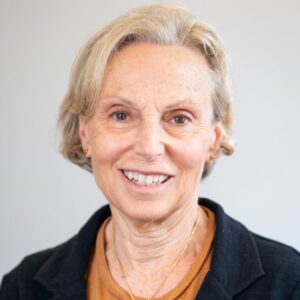
Dina Burstein, MD MPH is an experienced physician, healthcare project designer, and leader with over 20 years of success in scientific research, grant writing, analysis, training, and clinical practice. Her aim is to enhance the well-being of individuals and the community by presenting and promoting programs while leveraging proficiency in research, care management, injury prevention, and clinical effectiveness.
Dr. Burstein is the Project Director at the HOPE National Resource Center located within the Center for Community-Engaged Medicine at Tufts Medicine and an Associate Professor of Medicine at the Tufts University School of Medicine (TUSM). At the HOPE National Resource Center, she oversees its operations, leads the research team on grant and manuscript writing, and mentors undergraduate, graduate, and medical students through its internship program. In her previous role as an Assistant Professor of Emergency Medicine at the Warren Alpert Medical School of Brown University, she directed injury prevention-focused community outreach programming and community-based research projects and taught and mentored students.
Dr. Burstein has co-led numerous research projects focused on positive childhood experiences (PCEs). With the Massachusetts Department of Public Health, she helped launch the Positive and Adverse Childhood Experiences (PCEs & ACEs) Data dashboard and provided input in creating a statewide awareness campaign on promoting PCEs. This collaborative project was funded through the Centers for Disease Control and Prevention’s (CDC) Essentials for Childhood: Preventing Adverse Childhood Experiences through Data to Action grant program.
Dr. Burstein was also a co-investigator on the Measuring the Impact of Violence against Children and Women during a Pandemic – Family Snapshot Survey project with the American Academy of Pediatrics and Prevent Child Abuse America and the Behavioral Risk Factor Surveillance System Survey Data Analysis project with the CDC. These projects resulted in three publications in 2024 on the prevalence of PCEs among adults (Morbidity and Mortality Weekly Report), corporal punishment during COVID-19 (Pediatric Reports), and childcare disruptions and parental stress during COVID-19 (Journal of Developmental & Behavioral Pediatrics).
In 2022, Dr. Burstein was awarded a TUSM Innovations in Education Intramural Grant to create a custom Community Service Learning online course for first-year TUSM students. The course covers cultural humility, how to learn from the local community, anti-racism, and practicing medicine using PCEs and the HOPE framework.
Dr. Burstein holds a BS in Chemistry from Tufts University and MD and MPH degrees from the University of Massachusetts Medical School. She is a proud mother of three adult children and lives in Rhode Island with her two mischievous orange cats.
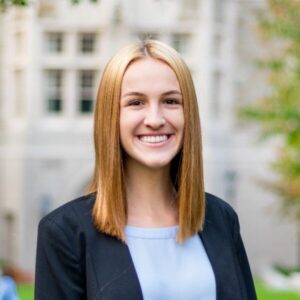
Kelsey Hannan, BA, a research assistant with the HOPE National Resource Center at the Center for Community-Engaged Medicine at Tufts Medical Center, earned her Bachelor of Arts in Psychology with a Clinical Concentration from Boston College in 2021. Following her graduation, she served as a research program assistant at Johns Hopkins in their Center for Reproductive Mental Health. Kelsey joined the HOPE team in 2023. During her time with HOPE, she has honed her research focus on child health equity and strengths-based approaches.
Evaluating What Works, Why It Works, and What’s Next
About the Workshop
Workshop Session
Wednesday, May 20, 2026 | 1:00 – 2:30 PM ET
About the Presenter
Amie Myrick, LCPC, is a Maryland-licensed clinical professional counselor and the Director of Evaluation and Quality Improvement at the HOPE National Resource Center. She leads evaluation strategies to measure and enhance the impact of the HOPE framework. An ACE Interface Master Presenter, national HOPE facilitator, and technical assistance provider, Amie has trained professionals and communities on trauma-related topics for nearly 20 years. She supports organizations in implementing trauma-informed and resilience-building practices and is a published author and co-editor of peer-reviewed works on trauma and advocacy. Her why is to create a compassionate world where all feel seen.
Creating an Internal Culture of HOPE
About the Workshop
Burnout, secondary trauma, compassion fatigue, and chronic stress are well-documented realities for those working in child welfare, family services, behavioral health, education, juvenile justice, and other child-serving systems. While self-care is often recommended, lasting well-being requires more than individual effort – it requires systems that actively support the people doing the work.
This session explores how the HOPE framework (Healthy Outcomes from Positive Experiences), used to promote resilience in children and families, can be equally valuable when applied to the workforce. The Four Building Blocks of HOPE – nurturing relationships, safe and equitable environments, engagement, and emotional growth – are not only protective for children, but also vital for staff.
Participants will examine how these building blocks can be integrated into supervision practices, team dynamics, organizational culture, and leadership priorities.
This session is grounded in the belief that when organizations invest in the well-being of their people – not just through wellness initiatives, but through the everyday experience of work – they strengthen not their staff’s resilience and the outcomes for children and families served.
Workshop Session
Wednesday, May 20, 2026 | 3:00 – 4:30 PM ET
About the Presenter
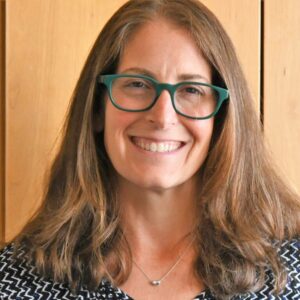
Amanda Winn, macro-level MSW, received her degree from UC Berkeley with a joint focus on Health and Children and Families. She’s spent her professional career working at the intersection of parenting, gender, and poverty. Amanda directed a National Resource Center out of UC Berkeley’s School of Social Welfare providing training and technical assistance to providers around the country supporting families affected by substance use and/or HIV. She’s also worked extensively supporting LGBTQ+ families at the school district, medical, and community levels.
A New Jersey native and Bay Area girl at heart, Amanda currently lives in Portland, OR with her children and loves finding new waterfalls to explore.